

Restaurants
A menu read by locals and visitors alike, in two languages, on a phone, at the moment somebody is deciding where to eat.
Restaurants hosting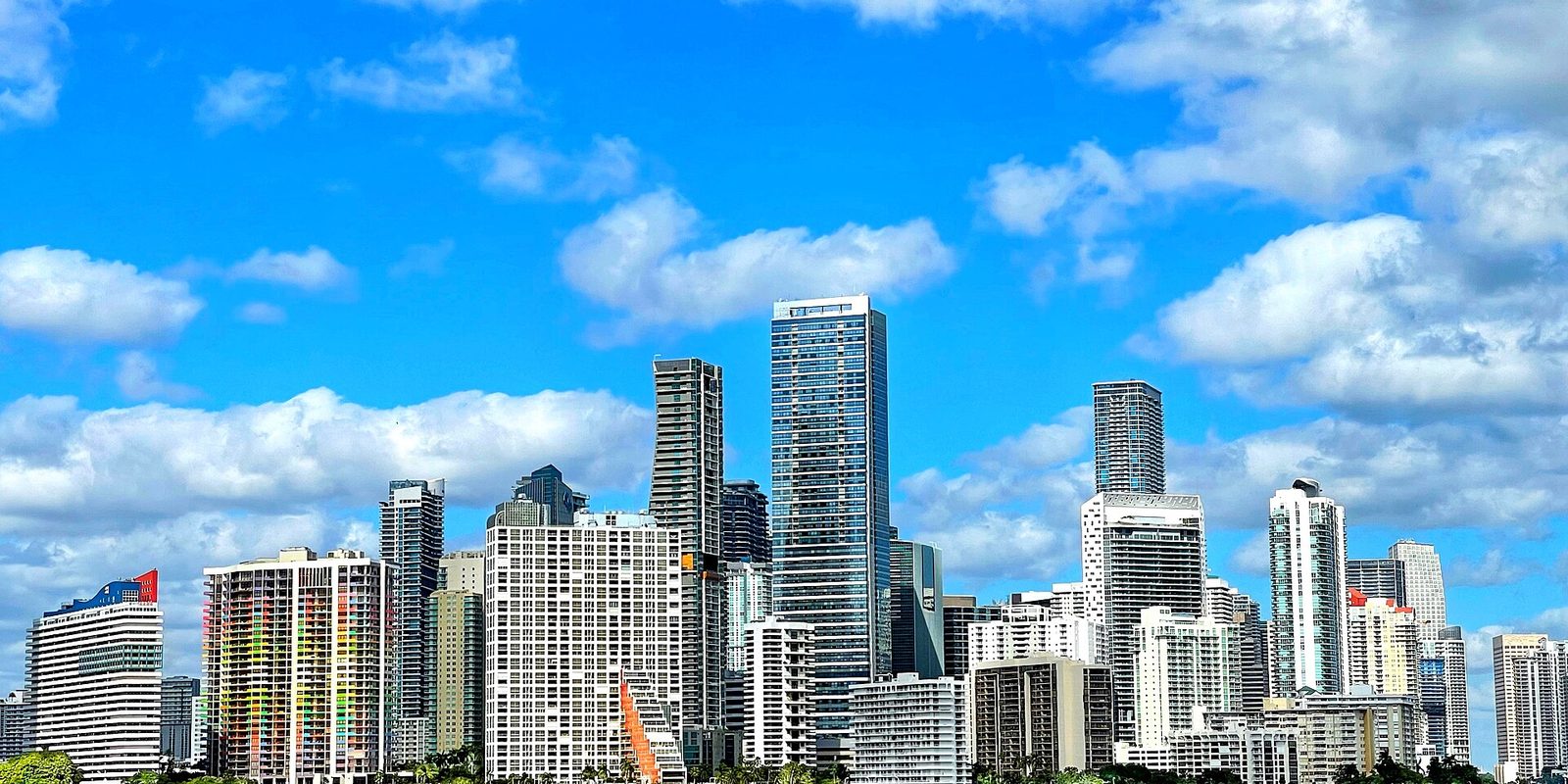
Miami websites carry a heavier load than most. They are read in two languages, often by somebody shopping from another country, and web hosting in Miami, FL has to keep them working through a storm season that takes power and patience with it.
We are not in Miami. AldoMedia is in Buffalo, New York, with one office and no Florida address, no local number and nobody to send round. Setup, migration and support all happen remotely, which for hosting is simply how the work is done.
In most cities you write a website once and you are done. Here a good share of the people reading it would rather read it in Spanish, and a good share of those same people move between both languages without thinking about it. That is not a translation problem. It is a structure problem, and it is worth getting right before you spend anything on design.
The common mistake is a translate button that rewrites the page in the browser. It looks cheap and easy because it is. What you get is a site that search engines only ever see in one language, wording nobody checked, and a menu or service list that reads as though a machine wrote it, because one did.
Real pages, at their own addresses, written by a person. A Spanish page lives at its own URL, is linked from the English one, and is marked so a search engine knows which version to show whom. It is more work at the start and almost no work afterwards, because the second version only changes when the first one does.
Two clean pages beat ten machine-translated ones. If the budget only covers a few, translate the pages that end in a phone call.
Send us the address. We will tell you what your site weighs, how it loads on a phone away from wifi, and whether your backups are where you think they are. If everything is already fine, we will say so.
Trade, tourism and international business mean a real slice of your visitors are reading from somewhere else, sometimes an ocean away, often on a phone on a network you would not want to test on. They are deciding whether to contact you before they ever arrive, and they cannot walk past your door to check you are real.
That changes what the website owes them. Somebody local already knows the area and can drive over. Somebody abroad is looking for the things that prove you exist and can be reached, and they will give up quickly if the page takes its time.
Distance is also the one case where server location has a visible effect, and it is smaller than people expect. A page that is lean loads acceptably from most of the world. A page carrying twenty full-size photographs is slow everywhere, and moving it closer to anybody does not fix it.
If you want the honest test, open your homepage on a phone with wifi turned off and count. Anything past a few seconds is losing you the visitor who has other tabs open.

Heat and humidity are constant here and they are not the website's problem. Storm season is, though rarely in the way people assume. The server your site lives on is in a building with generators and it usually rides the weather out. What goes down is you: your power, your internet, your ability to sit at a desk and sort anything out.
So the work happens before. Know where your site is backed up, know how far back the copies go, and know who can restore one if you are without power for three days. A backup nobody has ever restored is a hope, not a plan. There is more on how this should be set up on the website backups page.
The other quiet risk is the domain itself. Renewals lapse in busy seasons, and a lapsed domain takes the email with it. Check the date once a year and set it to renew automatically. See domain expiration if you are not sure where yours stands.
Most businesses that come to us are not launching. They are leaving something. A host that got slow, a developer who stopped replying, a plan that quietly doubled at renewal, or a site somebody else built and nobody now controls.
The order of operations matters more than the tools. Copy the site first, test it on the new server, and only then point the domain across. Done that way nothing goes dark, because the old server keeps answering until each visitor catches up to the change.
The part that goes wrong is nearly always email. Somebody rebuilds the DNS from scratch, leaves out the mail records, and the business loses a day of enquiries before anyone notices. Write the existing records down before touching anything. The full sequence is on the website migration page, and if the mailboxes themselves are moving too, email migration covers that separately.
If you are taking over a site somebody else set up, get the domain account in your own name first. Everything else is recoverable. That is not.
Copy, test, switch the domain, keep the mail records intact. You keep working while it happens, and if something looks wrong afterwards there is somebody to call.
This is the part most hosting companies leave out, so here it is plainly.
Spending more is worth it when the site takes bookings or payments, when it carries a large gallery of real photography, or when a day of downtime costs you work the same day. Visitor numbers on their own almost never justify it.
If you want a straight breakdown of what running a site actually costs across a year, that is on what a website costs to run.
It is a fair question and it deserves a straight answer. Hosting is not a local service. Your website does not live in Miami now and it will not afterwards. It lives in a data centre somewhere, and which state that building sits in makes no practical difference to somebody reading your site on a phone.
What you are actually choosing is who picks up when something is wrong. That varies enormously, and it has nothing to do with distance. We are in Buffalo, we work Eastern time, which is your time, and we have been building websites since 1999.
If what you want is somebody who will drive to your office, we are the wrong choice and we will tell you so rather than take the money. For setting up hosting, moving an existing site and keeping the email working through the change, being in another state changes nothing at all.
The genuinely local thing is your Google Business Profile, and it is free. Get that right before you spend a dollar on hosting.
In an economy built on trade, tourism and visitors from elsewhere, these three ask the most of their sites, and each has a page of its own.
A menu read by locals and visitors alike, in two languages, on a phone, at the moment somebody is deciding where to eat.
Restaurants hostingTreatment pages and before-and-after galleries are heavy, and they are often the first thing a cautious out-of-town client judges you on.
Med spas hostingListing pages full of photography, read by buyers in other countries and other time zones, where a slow page is a lost enquiry.
Real estate brokers hostingEvery trade we cover is on hosting by industry, and every city on our locations page.
Skyline photograph: Rob Olivera, CC BY 2.0, via Wikimedia Commons. Cropped.
It should not, because the mail records are copied down and recreated before the domain is pointed anywhere. Mail keeps arriving in the same inboxes throughout. What breaks email is rebuilding the DNS from scratch and leaving those records out. If the mailboxes themselves are changing providers, that is sequenced separately so no message is stranded mid-move.
A monthly translation service for two pages that never change, a plan sized for traffic they do not have, and extra storage when the real issue is unresized photography. Also a second security product duplicating what the plan already includes. Ask what is bundled before adding anything. Spend the money instead on a person writing the Spanish pages properly once.
Usually not. If the site was built in a builder and nobody has edited it in a couple of years, it can be rebuilt as ordinary pages and hosted without that monthly charge. If you genuinely update it yourself every week, keeping the builder may be the sensible call. We will look at it and tell you honestly which of the two you are.
Almost always the certificate, and it is fixable the same day. Either it lapsed, or the site loads some images and scripts over an unsecured connection, which makes the browser flag the whole page. A distant visitor who cannot verify you in person will simply close that tab. Certificates are included and renew automatically, so this stops being something you think about.
Tell us what your site runs on, who reads it and in what language, and what it has to survive. We will tell you what to fix, what to leave alone, and whether the plan you are already on is the right one.
See hosting plans Get help choosing
Or call 716-771-2536. We are in Buffalo, New York, so we answer Eastern time.
.jpg)