
Shared Hosting
The plan type nearly every restaurant site belongs on, and what the tiers actually change.
Read about shared hosting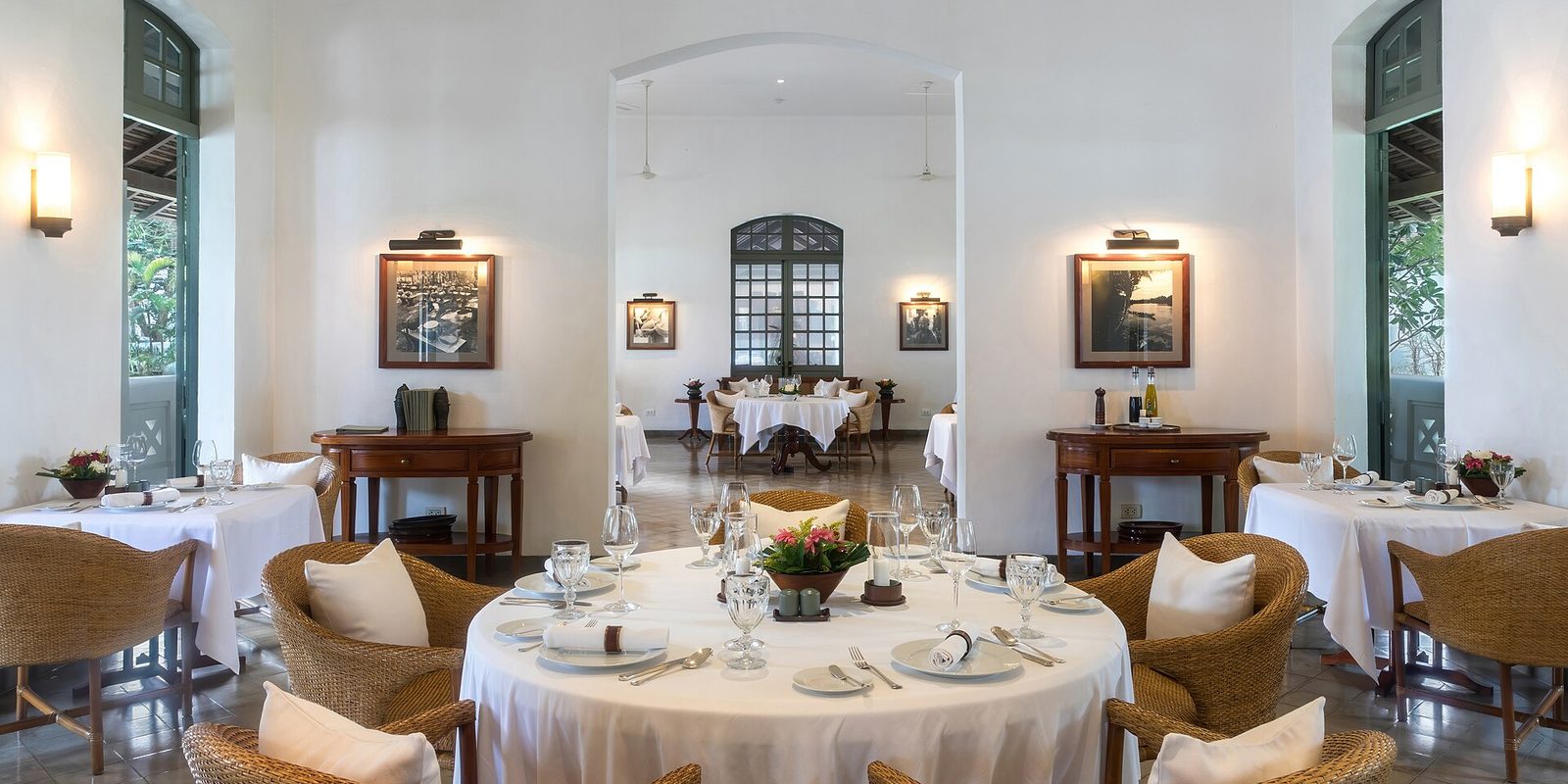
Almost every decision about a restaurant website comes back to one page. Get the menu right and the rest is detail. Get it wrong, usually by publishing it as a PDF, and no amount of web hosting for restaurants will fix what that costs you.
Disclosure: AldoMedia is an independent authorized reseller. If you buy through a link on this page we may earn a commission, at no extra cost to you. The hosting platform, the domain registry and the certificate authority are run by upstream providers whose full-time job that is. What AldoMedia does is set the products up properly, support them, and stay accountable for your account.
Look at where people go on a restaurant site and the pattern is the same everywhere. They open the menu, they check the hours, and a smaller number look for the address or book a table. Everything else on the site is furniture.
That matters because it tells you where to put your attention. Not the photography, not the story of the building, not a homepage carousel. The menu. And the single most common mistake in this industry is publishing that menu as a PDF.
A menu written as ordinary web text fixes all four at once. It costs nothing extra to host, it is faster than the PDF was, and you can change a price in a minute without opening design software.
A photograph of a chalkboard menu is the same mistake wearing a different hat. If the words are inside an image, they may as well not be on the site.
We rebuild a restaurant menu as ordinary web text so it reads on a phone, gets found in search and takes a minute to reprice. It is a one-off job on a small hosting plan.
Very little, and that is worth saying plainly. A restaurant website is a small number of pages that change occasionally. It is one of the least demanding things you can put on a server.
So if somebody is selling you a large plan for a restaurant site, ask what it is for. Shared hosting is the right product here, and the entry tier is usually genuinely enough.
People worry about this more than they need to. Yes, traffic climbs sharply in the couple of hours before service, and yes, it can climb very sharply if something you posted does well locally. But a menu page is static text. A shared plan absorbs that without noticing.
What does fall over under load is a site doing unnecessary work on every visit: a heavy page rebuilding itself from a database, a booking widget loading five external scripts, a gallery of unresized photographs. The fix is to make the page lighter, not to buy a bigger plan.
| What people blame | What is usually true | The fix |
|---|---|---|
| The hosting plan | The plan is fine. The homepage is 8MB of photographs. | Resize the images before uploading |
| Too many visitors | Traffic is normal. Every page rebuilds itself from scratch. | Turn on caching |
| The website software | Three booking and review widgets load before the menu does. | Remove what is not earning its place |
If you take orders through a third-party platform, the transaction happens on their website, under their branding, on their terms. That can still be the right decision. It is not free, though, and the cost is not only the commission.
The part that gets overlooked is the data. The customer's name, their address, what they order and how often is held by the platform. If you leave, or they change terms, that list does not come with you.
None of this argues against using a platform. It argues for the site you own being the thing you build on, with the platform as one route into it.
Hours are the second most-read thing on the site and the most likely to be wrong. The reason is structural: they exist in at least three places, and the website is the one nobody remembers.
Your Google Business Profile is where most people actually see them, and for the majority of searches it is the real front door. The website is the backup. Both should agree, and both need attention before every holiday.
Every closure and every shortened day is a customer standing at a locked door, and a proportion of those become a review. Put the exceptions somewhere you can edit in a minute, and make updating them part of closing on the last normal day.
If you change hours seasonally, say the dates in plain words on the page. A note that reads "winter hours from November" beats a table nobody trusts.
Hand us the site and we keep the menu, the hours and the holiday exceptions right, and we match them to your Google listing. If your current plan already suits the site, we will tell you that.
This is most single-location restaurants, and it is worth being direct about it.
If you have one dining room, a reservation book that fills without help, and no online ordering of your own, your website has one job and a small plan does it. Money spent on a bigger tier buys you nothing you can taste.
Where spending more does make sense: you run several locations on one site, you take orders and payments directly rather than through a platform, or your site carries the booking system rather than linking to one. Those are real reasons. Volume of diners is not.
AldoMedia has built and looked after websites for Western New York businesses since 1999, and restaurant sites with the menu trapped in a PDF are familiar work. We are an independent authorized reseller rather than the operator of the underlying platform, and we will tell you when the plan you are on is already the right one.
If you are moving from an old site, the order of operations that keeps your email working through the change is on the website migration page. Call 716-771-2536 or tell us what your site runs on.
Yes, and it is the most common problem we see on restaurant sites. A PDF is hard to read on a phone, its contents are close to invisible to search engines, and it goes out of date because updating it means finding the original file. The same words as ordinary web text load faster, can be edited in a minute and can actually be found.
Almost certainly not, because a menu page is static text and a shared plan handles that easily. Sites that do struggle are usually carrying 8MB of unresized photographs or half a dozen third-party widgets. That is a weight problem, not a hosting problem, and buying a bigger plan does not fix it.
A platform is a reasonable choice and often the practical one. Just be clear that the customer list belongs to them, not you, and ask what happens to it if you stop using them. Keep your menu on your own site either way, and if you also take direct orders, make that the more obvious option on your own page.
Google, in most cases. For a large share of restaurant searches the profile is the front door and the website is the backup. Fix the profile first, then make the site agree with it, and update both before every holiday.
Less than most are sold. A menu, hours, contact details and a few other pages is one of the lightest things you can put on a server, and an entry shared plan covers it. Spending more makes sense if you run several locations on one site, or take orders and payments directly rather than through a platform.
The plan type nearly every restaurant site belongs on, and what the tiers actually change.
Read about shared hostingMoving a restaurant site to a new host without losing your email in the process.
How a migration worksWhy bookings@ at your own domain beats a free address, and what it takes to set up.
Read about business emailEvery trade we cover is listed on hosting by industry.
Hero image: Basile Morin, CC BY-SA 4.0, via Wikimedia Commons. Cropped.
Tell us what your restaurant site runs on and we will tell you whether the plan you are paying for is the right one. If it already is, we will say so.
Get Your Web Hosting Plan Get help choosing
Or call 716-771-2536 and tell us what the site has to do. If the plan you are already on is the right one, we will say so.
