
.jpg)
Roofers
One storm turns a normal month into a year of demand aimed at whoever is findable and answering that week.
Roofers hosting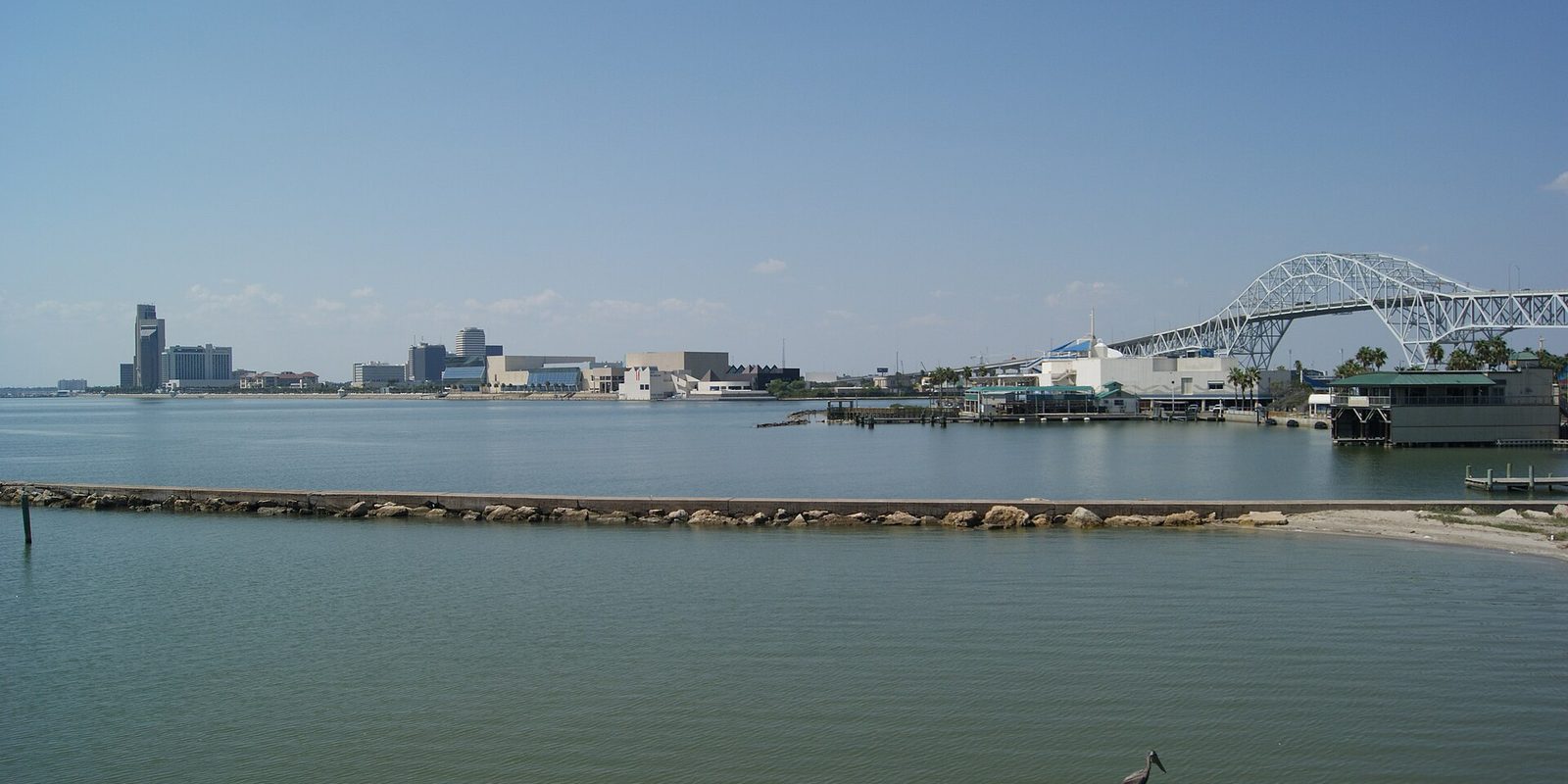
On the Texas coast the year has a season that rewrites everybody's workload at once. When a storm is named and heading for the Gulf, search traffic changes shape within hours, and web hosting in Corpus Christi, TX holds up only where the site was already light and already current.
We are not in Corpus Christi. AldoMedia works from one office in Buffalo, New York, with no Texas address, no local number and nobody on the ground there. Setup, migration and support all happen remotely, which is how hosting normally works anyway.
The Gulf hurricane season runs from summer into late autumn, and even a season with no landfall changes how people search. Wind, water and the long tail of insurance questions send a wave of local searching at the businesses that put things back together. Roofing, cleanup, hauling and anything to do with claims all move at once.
Two things happen to your website in that window, and they pull in opposite directions. Traffic rises, sometimes sharply. And the people arriving are impatient, often on a phone, sometimes on a connection that is congested or running off a hotspot. A page that is merely slow the rest of the year becomes a page nobody waits for.
Everything else can wait. If your homepage makes somebody scroll past a slideshow to find out whether you answer the phone, you are losing work to a competitor with an uglier site and a clearer one.
A one-line notice on the homepage saying what you are doing this week is worth more than any redesign. It costs nothing and it is the thing people came for.
Send us the address and we will tell you what your site weighs, how fast it loads on a phone, and whether it would hold up in a week when everyone is searching at once. If it is already fine, we will say so.
The other half of the traffic after coastal weather is not looking to book anything. They are trying to work out what is covered, what a deductible means for wind and water, whether they need an estimate before or after an adjuster, and what documentation to keep.
That visitor is reading, not buying, and most local business sites ignore them entirely. That is a mistake, because they are the same people who hire somebody a week later. A plain page that answers the practical questions honestly, without pretending to be an insurance company, is the cheapest marketing a repair business can do.
It also happens to be the sort of page that ages well. Write it once, keep it accurate, and it works every season instead of only the one you wrote it in.
Do not give coverage advice you are not qualified to give. Explain the process, tell people to ring their carrier, and be the site that was useful.

This is the part of hosting that Gulf Coast businesses should care about more than anyone, and it is the part almost nobody checks until it matters.
Your website itself is not sitting in a building near the water. It lives in a data centre somewhere else, so a local storm does not knock it over. What does get knocked over is the office: the computer with the only copy of the logo files, the photographs, the customer list, the paperwork. If the website is the only surviving copy of anything, you want to know that before you need it.
How this works in practice is on the website backups page. It is dull reading and it is the single most valuable half hour a coastal business can spend on its site.
A port, energy and tourism economy produces a lot of small firms with straightforward websites, and a lot of those firms are on plans built for something much larger. Here is where the money usually goes.
Spending more is worth it when the site takes bookings or payments, when it carries a large photo library, or when a day of downtime costs you work that day. Visitor numbers on their own almost never justify it. If you want the whole picture of what a site actually costs to keep running, that is on the what a website costs to run page.
When a site feels slow, people blame the host and buy a bigger plan. Nearly always the page is simply heavy. Resize the images, switch caching on so the server hands out a finished page instead of building one from scratch every time, and remove the third-party widgets that load before your phone number does. That is most of the problem, and none of it costs anything.
Copy, test, switch the domain, keep the mail records intact. You carry on working while it happens, and afterwards there is somebody to ring if anything looks wrong.
It is a fair objection and it deserves a straight answer rather than a slogan. Hosting is not a local service. Your website does not live in Corpus Christi today and it will not afterwards. It lives in a data centre in some other state, and which one makes no difference a visitor could ever notice.
So the thing you are really choosing is who picks up when something breaks, and that has nothing to do with mileage. We are in Buffalo, one hour ahead of you, and we have been building and looking after websites since 1999. AldoMedia is an independent authorised reseller, not the operator of the underlying platform, and we will tell you when the plan you already have is the right one.
If what you want is somebody who will drive to your premises, we are the wrong choice and we will say so plainly. For setting up hosting, moving a site off a host that got slow, and keeping the mail flowing through the change, being in another state changes nothing at all.
The genuinely local part of your online presence is your Google Business Profile. It is free. Get it right before you spend money anywhere else.
Most people who call us are not launching something new. They are leaving: a host that slowed down, a designer who stopped answering, a renewal price that quietly doubled, or an arrangement where nobody is quite sure who controls the domain.
The order of operations matters more than the tools. Copy the site first, test it on the new server, and only then point the domain across. Done that way the site never goes dark, because the old server keeps answering until each visitor's connection catches up.
What goes wrong is nearly always email. Somebody rebuilds the DNS from scratch, leaves out the mail records, and a business loses a day of enquiries before anyone notices. Write the existing records down before touching anything. The full sequence is on the website migration page, and if the mailboxes are moving too, see email migration.
If you are inheriting a site somebody else built and you are not sure what you actually own, sort that out first. It is a bad thing to discover during a storm week.
Three kinds of business whose websites do real work in a port, energy and tourism economy, each with a page of its own.
One storm turns a normal month into a year of demand aimed at whoever is findable and answering that week.
Roofers hostingWork arrives in bursts, from relocations tied to port and energy jobs and from people leaving damaged property in a hurry.
Moving companies hostingA tourist economy means most menu traffic is strangers on phones, and hours that change with the season have to stay right.
Restaurants hostingEvery trade we cover is on hosting by industry, and every city on our locations page.
Skyline photograph: Zygmunt Put Zetpe0202, CC BY-SA 4.0, via Wikimedia Commons. Cropped.
Almost certainly not. A free certificate that browsers trust comes with the hosting and renews itself, and it removes that warning completely. Paid certificates buy a warranty and a company name in the details, which no customer ever opens. If you are seeing the warning today it usually means the certificate lapsed or the site is still linking to its own pages over the old insecure address, and both are quick to correct.
With refinery, port and contracting clients it can. Purchasing departments and safety coordinators read a free address as a one man operation, and some spam filters treat a free sender quoting a large job with suspicion. Mail on your own domain costs little, keeps the address yours if you ever change providers, and makes a quote look like it came from a company. Your existing mail can be moved across without losing anything.
Not in any way a person notices. The distance between here and a data centre inland adds a few thousandths of a second, while an unresized photograph adds seconds. Most sites that feel sluggish on a phone in a truck are heavy, not far. Compress the images, cut the third party widgets, and let caching serve repeat visitors. Do that and the server location stops being worth thinking about.
Test it rather than guess. Load a plain page with almost nothing on it. If that appears instantly the server is fine and the weight is in your pages, which is the usual answer. If even the plain page crawls, or the site goes unreachable at the same hour each day, the host is the problem. Traffic surges before and after coastal weather expose heavy pages, they rarely expose a server.
Tell us what your site runs on and what it has to survive. We will tell you what to fix, what to leave alone, and whether the plan you are paying for is already the right one.
See hosting plans Get help choosing
Or call 716-771-2536. We are in Buffalo, New York, so we answer Eastern time.
,_Texas,_USA.JPG)