

Shared Hosting
The plan type nearly every roofing site belongs on, spikes included, and what the tiers actually change.
Read about shared hosting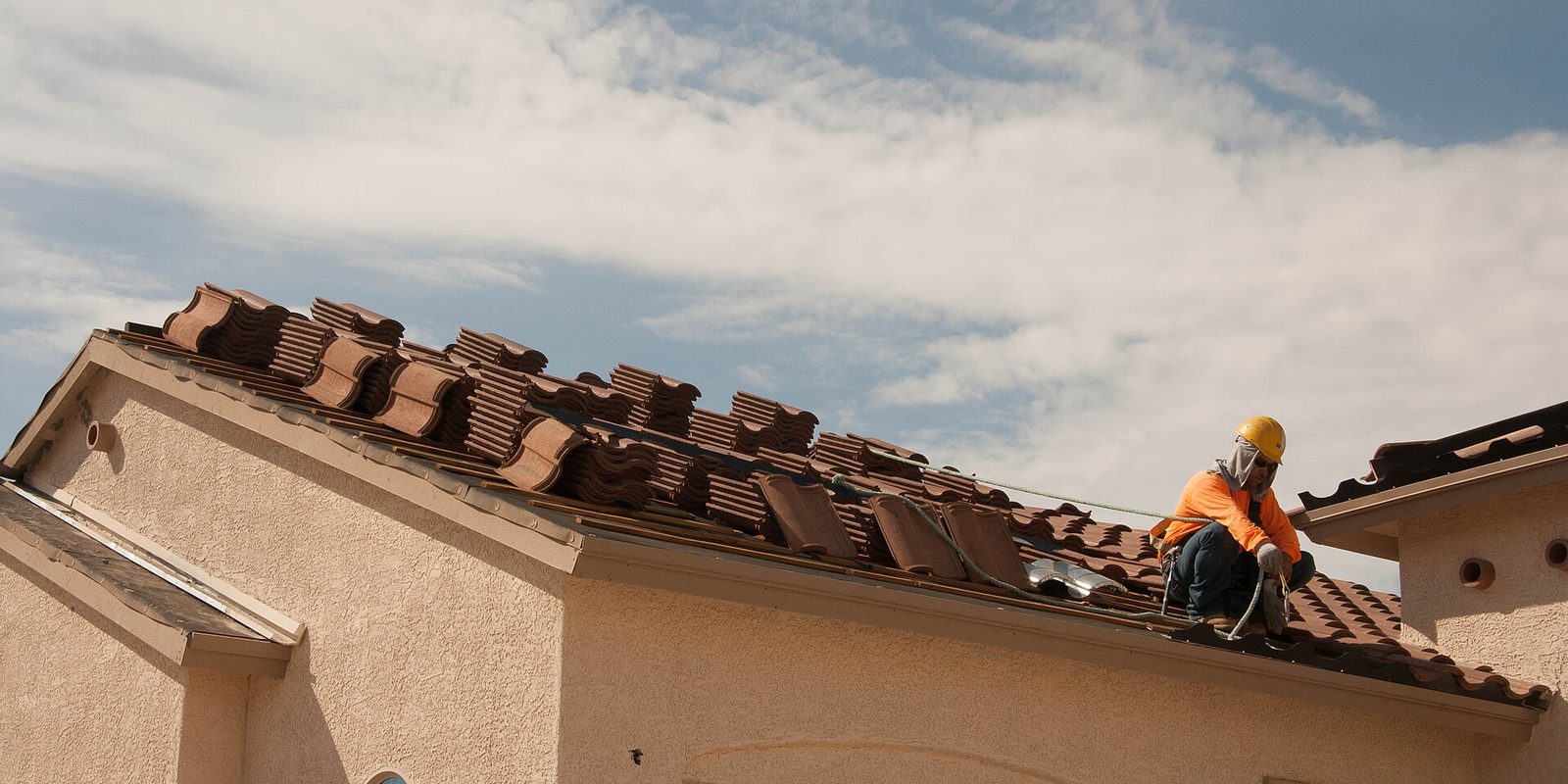
Roofing demand is not seasonal in the way people assume. It is meteorological. A hail line can drop a year of inquiries into 48 hours, and every one of them goes to whoever is findable and loading that week. Web hosting for roofing companies has one job on that day, and it is a job it will only be asked to do a handful of times.
Disclosure: AldoMedia is an independent authorized reseller. If you buy through a link on this page we may earn a commission, at no extra cost to you. The hosting platform, the domain registry and the certificate authority are run by upstream providers whose full-time job that is. What AldoMedia does is set the products up properly, support them, and stay accountable for your account.
Most local businesses get a website that hums along at a steady low level. A plumber gets some inquiries every week. A dentist gets a few. The graph is boring and predictable, and boring is easy to host.
Roofing does not look like that. Roofing looks like a flat line with occasional cliffs. A hail event moves through, and in the twelve hours afterwards a few thousand people in the same handful of ZIP codes start looking at their gutters and typing the same phrases into a phone. Your traffic can climb thirty-fold overnight and stay up for a week.
That has two consequences worth understanding before you spend a dollar on hosting. The first is that the site you have been happy with for two years has never actually been tested. Two years of quiet traffic proves nothing about the day it counts. The second is that you cannot prepare on the day. The storm and the search happen in the same afternoon.
Storm chasers from out of state will be running paid ads in your area within a day. You cannot outbid them, and you do not need to. What you have is a local address, a track record and a site that has been indexed for years. Those only pay off if the site works.
Send us the address and we will load it the way a homeowner would, from a phone in a driveway, and tell you what would fall over in a hail week. Often the answer is nothing.
Almost never the hosting plan by itself. The plan usually breaks because it was already carrying something wasteful, and the spike simply found it. Here is the honest order of what goes wrong.
| What breaks | Why | What fixes it |
|---|---|---|
| Page speed collapses | A gallery of full-size camera photos, several megabytes each, on the page everyone lands on | Resize the photos before uploading and let the site serve smaller versions |
| The site gets slow, then unreachable | Every page rebuilds itself from the database on every single visit | Turn on caching so repeat visitors get a saved copy |
| The form stops sending | The contact form was quietly failing for months and nobody noticed at four inquiries a week | Test the form monthly and send a copy to a second address |
| The phone number is wrong on mobile | It is typed as text rather than a tap-to-call link | Make every phone number a real link |
| Nothing loads at all | The site was on an old plan with a lapsed certificate, and browsers now warn people away | Keep the certificate current and set it to renew automatically |
Notice how little of that is solved by buying a larger plan. A roofing website is a modest thing: some service pages, a gallery, a contact form, maybe a blog nobody has touched since the year it launched. Shared hosting handles that, spike included, provided the pages themselves are not doing pointless work.
The one thing worth doing in advance is checking. Pick a quiet week in March, open the site on your own phone away from the office wifi, and time it. Submit the contact form and see whether the email arrives. That fifteen minutes is worth more than any plan upgrade.
Watch what a homeowner does after a storm. They do not search for a roofer first. They search for whether they have a problem, and then whether insurance covers it. The searches are things like whether hail damage is always visible from the ground, how long they have to file, and what an adjuster looks for.
Most roofing websites have nothing to say about any of that. They have a services page that says roof replacement, and a contact form. So the homeowner reads three pages on somebody else's site, forms an opinion there, and calls that company.
One caution, and it matters. Insurance claim content is where roofing websites drift into territory they should not be in. Describing the process is fine. Telling somebody what their policy covers, or implying you can get a claim approved, is not, and in some states it strays close to activity that is regulated. Describe the problem, describe your part in it, and point people to their own insurer or adviser for the rest.
Do not write about deductibles being covered, waived or absorbed. That is the single fastest way to put something on your website that you would rather not have to explain later.
Financing sells roofs, because a roof is an unplanned five-figure expense that arrives with no notice. A financing page is a reasonable thing to have. The mistake is what goes on it.
Rates change. Promotional terms expire. The lender rewrites its program and does not tell you. Meanwhile your website is still advertising an offer from two years ago, in writing, in a form a customer can screenshot. That is not a hosting problem, it is a page you cannot easily edit combined with a number that had a shelf life.
The same rule covers anything else with an expiry date on your site: seasonal offers, manufacturer promotions, storm response notices. A stale banner saying you are booking for last April makes a company look shut.
AldoMedia has looked after Western New York business sites since 1999. We resize the job photos, test the contact form, and keep the financing and certification pages editable by your office. Call 716-771-2536.
Before and after photographs are the most persuasive thing a roofer can put on a website, and they are also the most common reason a roofing site is slow. A crew photo taken on a modern phone can be several megabytes. Put forty of them on one page and you have built something that will not open on a phone with two bars of signal, which is exactly the phone your customer is holding while standing in their driveway looking up.
Manufacturer certifications are one of the few trust signals in this trade that a homeowner can verify independently, and they are worth a real page rather than a row of logos in the footer. Say what the certification required, what warranty it lets you offer, and what that means for the customer in practice. A logo says nothing. A paragraph explaining why an extended warranty depends on a certified installer says quite a lot.
Keep those pages accurate. A certification that has lapsed, or a manufacturer badge you are no longer entitled to, is worth removing the week it changes.
Commercial roofers get very little out of most of this, and it is worth being direct about it. If your work comes from bid lists, property managers, general contractors and relationships built over years, none of the storm traffic described above is aimed at you. The hail spike is residential. Nobody searches for a 40,000 square foot TPO recover at eleven at night on a phone.
If that is your business, your website is a credential, not a lead source. It needs to load, look competent, show the projects and the certifications, and carry the contact details of the people who actually answer. That is a small site with modest requirements, and an entry shared plan covers it comfortably.
Where the residential case does justify spending more: you run several branded companies or service areas on one account, you take deposits or payments online, or your site carries a customer portal rather than linking to one. Those are real reasons. The size of your crew is not one.
AldoMedia has built and looked after websites for Western New York businesses since 1999, and Buffalo gets weather, so roofing sites are familiar work. We are an independent authorized reseller rather than the operator of the underlying platform, which means we have no reason to sell you a tier you will not use. If the plan you are on is already right, we will tell you that.
If you are taking over a site somebody else built, or you have lost track of who holds the login, start with taking over a website. If you are moving hosts and want the email to keep working through the change, the order of operations is on the website migration page. Call 716-771-2536 or tell us what your site runs on.
Usually yes, if the pages are light. A shared plan absorbs a big spike in visitors to ordinary pages without much trouble. What falls over is a site carrying forty full-size job photos on the landing page, or one that rebuilds every page from the database on every visit. Fix the weight and turn on caching, and the spike stops being a threat. Buying a bigger plan while leaving the photos unresized does not help.
Describing the process is one of the best things you can put on the site, because that is what people search for after a storm. Keep it to what happens and what your part in it is. Do not tell people what their policy covers, do not imply you can get a claim approved, and do not write anything about deductibles being waived or absorbed. Point readers to their own insurer or adviser for anything specific to their policy.
It is better not to. Lender terms change and promotional offers expire, and your website will still be advertising the old figure long after it is gone. Say financing is available, name the lender, and link to their own application. If you show an example payment, date it on the page and check it every quarter.
Fewer than you want to put in it. A dozen strong jobs persuade better than a hundred, and every extra unresized photo is weight on the page a homeowner is opening from a driveway on a weak signal. Resize before uploading, caption with the neighborhood and the material, and keep the full-resolution originals somewhere other than the website.
Not most of it. Storm search traffic is residential, and commercial work comes from bid lists and relationships rather than someone searching at night. Your site is a credential: projects, certifications, contact details that reach a person. That is a small site, an entry shared plan covers it, and spending more buys you nothing.
Often yes, if you write more than a logo. Certifications are one of the few claims a homeowner can check independently, and a page that explains what the certification required and what warranty it lets you offer does real work. Just keep it current, and take down anything that has lapsed the week it lapses.
The plan type nearly every roofing site belongs on, spikes included, and what the tiers actually change.
Read about shared hostingJob photos, service pages and years of storm content. What a backup should and should not be carrying.
Read about backupsWhat to do when the site works but nobody in the office has the login for it.
How a handover worksEvery trade we cover is listed on hosting by industry.
Hero image: National Institute for Occupational Safety and Health, Public domain, via Wikimedia Commons. Cropped.
Tell us what your roofing site runs on and we will tell you whether it would survive a busy week. If the plan you are paying for is already the right one, we will say so.
Get Your Web Hosting Plan Get help choosing
Or call 716-771-2536 and tell us what the site has to do. If the plan you are already on is the right one, we will say so.
