

Columbus
Insurance, research and a large student population.
Hosting in Columbus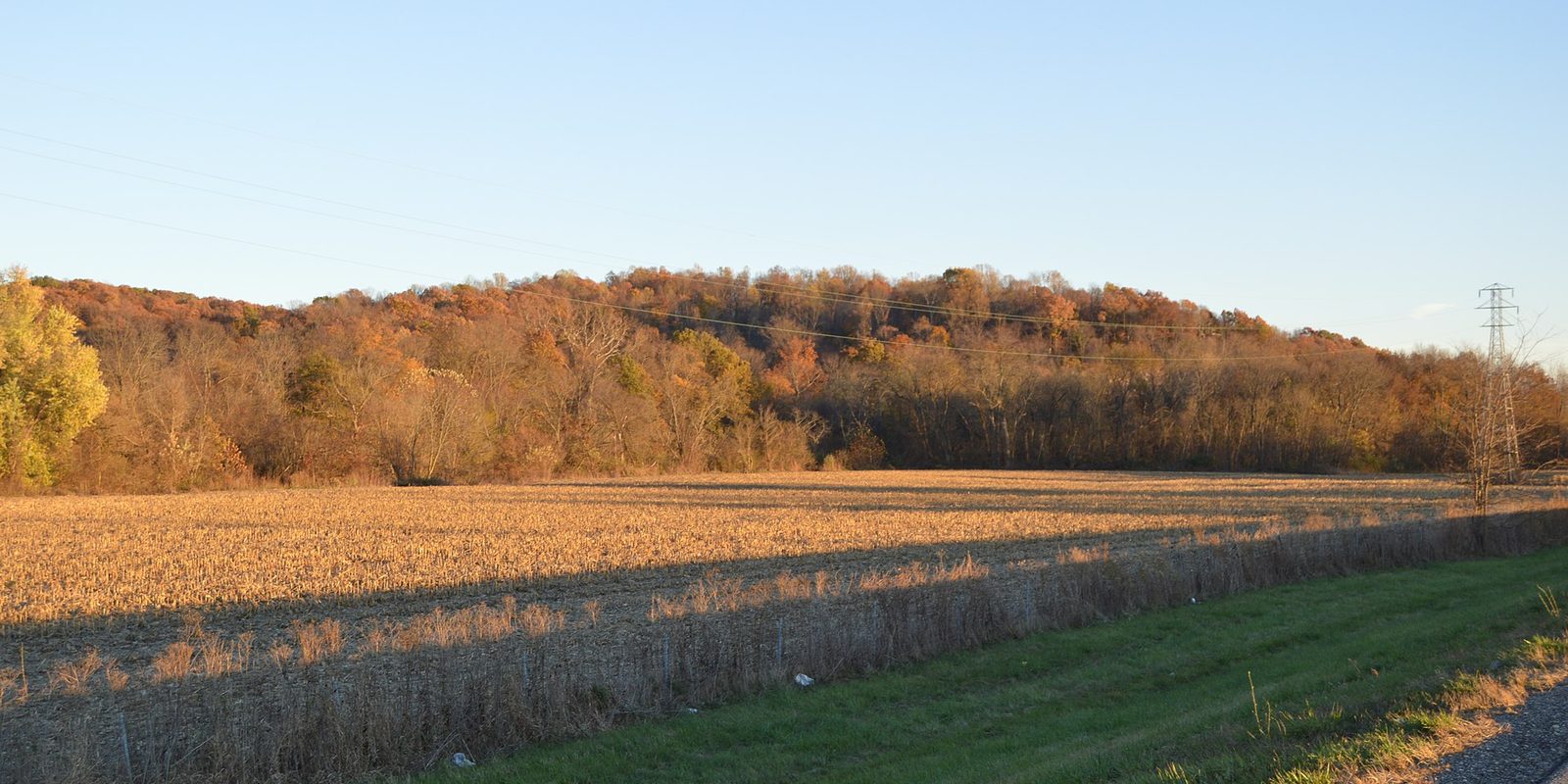
Ohio makes things, treats people and moves freight, and it does all three in a lot of buildings that are older than anyone working in them. Add a winter that tests every one of those buildings and you get a trade economy with no quiet season. That is unusual, and it changes what web hosting in Ohio has to survive.
We are not in Ohio. AldoMedia works from a single office in Buffalo, New York, and has no address, staff or phone number in your state. Setup, moves and support all happen remotely, which is the normal way hosting works for everybody.
It is tempting to talk about Ohio as a single market, and almost everything written about it does. In practice a business here sits inside one of several economies that behave differently from each other, and the website that works in one can feel wrong in the next.
Columbus leans towards government, higher education, insurance and distribution, with a population that keeps growing. That mix produces a lot of office employers, a lot of people moving in, and a steady stream of visitors who are new to the area and searching for a service for the first time.
Cleveland carries a heavy industrial history alongside one of the larger concentrations of medicine anywhere in the region. Manufacturing and healthcare pull in opposite directions on a website. One wants specifications and capability. The other wants clarity, accessibility and a way to book without ringing.
Cincinnati sits at the southern edge of the state, with corporate headquarters, consumer brands and river and rail freight shaping the working day. Its winter is genuinely milder than the north of the state, which sounds like small talk until you notice that trade demand there peaks on a slightly different schedule.
If you serve more than one of these areas, resist writing one page that tries to speak to all of them at once. Vague coverage reads as vague competence.
Send us the address. We will tell you what the homepage weighs, how long it takes to open on a phone on mobile data, and whether it would hold up during a cold snap. If it is already fine, we will say so.
A large share of the housing stock in this state went up decades ago, much of it long before the current expectations about insulation, wiring loads or drainage. Those buildings are solid, and they are also permanently in need of attention. Then the winter arrives and finds every weakness in them.
That combination is the spine of the trade economy here. Freeze and thaw works on roofs, gutters, masonry and driveways. Heating systems that were adequate in October are asked for everything in January. Pipes fail in the cold, and the repair that follows is rarely just the pipe. Spring does not end it, because everything the winter broke has to be put right before the next one.
In a lot of states a trade business has a dead season, and that dead season is when the site gets rebuilt. Here there isn't one. Demand shifts between trades rather than switching off, so the site is always live in front of somebody who needs help today.
None of that requires a bigger plan. It requires a page that is light enough to open on a phone in a driveway. Roofing in particular takes a beating from freeze and thaw, and the pattern is written out on the hosting for roofers page.
If your homepage is slow in September, it will be useless during the first hard freeze. That is the week you cannot afford to be looking at it for the first time.

The three pillars of the state economy each produce a distinct kind of enquiry, and confusing them is a common and expensive mistake.
Manufacturing and supply work brings a purchasing person or an engineer, comparing three or four companies in an afternoon. They want proof you do the specific thing, some sense of capacity, and a page they can forward to a colleague without it falling apart. Charm does nothing for them.
Medical and dental practices get visitors who are anxious, often in a hurry, and frequently older. Legible text, obvious contact details and a site that works with a screen reader are not compliance decoration here. They are the whole job. Insurance and location questions get answered before anybody looks at your staff photographs.
Freight and logistics visitors tend to arrive outside office hours, want a document or a rate, and will not wait. They rarely fill in a friendly form. They want an address that reaches a real inbox and a phone number that connects to somebody awake.
One website can serve all three, but only if you accept that they need different landing points. A single homepage written to please everyone tends to please nobody and quietly loses the buyer first.
Copy first, test on the new server, then point the domain across, with the mail records recreated exactly. You keep working through it, and afterwards there is somebody to call.
General hosting advice is the same in every state, so there is no point repeating it here. What follows is only the part that is different when your work never pauses and your visitors are half emergencies and half professionals.
Most trade, practice and supplier websites in this state are modest. A few dozen pages, a gallery, a contact form, maybe a document library. That belongs on shared hosting and will stay there comfortably. Paying for a larger plan does not make a heavy page fast, and it will not make the phone ring in January.
Spend more when the site takes bookings or payments, when it carries a genuinely large photo library of finished jobs, or when an hour of downtime costs you work the same day. Not because the business is doing well.
When there is no month you can afford to be offline, the recovery time is the thing to care about, not the promise that copies exist somewhere. Ask when a restore was last actually performed. The website backups page explains what to check for.
Renovation, remodelling and roofing work on older properties sells from before and after images, so these sites accumulate pictures faster than most. Resize them before they go up. This one habit does more for speed than any plan upgrade, and it is free.
If somebody has sold you extra capacity for a site that is mostly text and a gallery, ask what the extra is doing. The honest answer is usually nothing.
Fair question and it deserves a straight answer instead of a slogan. Hosting is not a local service. Your website does not sit in Ohio today and it will not afterwards. It sits in a data centre somewhere, and which state that is in makes no difference a visitor could notice.
We are an independent authorised reseller. We do not own servers or data centres and we will not pretend otherwise. What varies between hosts is not the hardware. It is whether a person answers when something is wrong, and whether that person already knows how your site is put together.
We are on Eastern time, the same clock your state keeps, so there is no gap in the working day to negotiate. We have been building websites since 1999, in a city with much the same winter and much the same age of building stock, which means none of this is theoretical to us.
If what you want is somebody who will drive to your office, we are the wrong choice and we would rather say that now than after you have paid. Most people who call us are leaving something rather than launching: a host that got slow, a designer who stopped replying, a renewal price that doubled. That move is mostly a question of order, and the sequence is set out on the website migration page.
We work with businesses across the whole state, and three cities have pages of their own covering what the local economy asks of a website.
Insurance, research and a large student population.
Hosting in ColumbusMedicine, manufacturing and older housing.
Hosting in ClevelandConsumer goods, finance and manufacturing.
Hosting in CincinnatiGlass, automotive parts and healthcare.
Hosting in ToledoPolymer, materials research and healthcare.
Hosting in AkronEvery state is on our locations page, and every trade we cover is on hosting by industry.
Photograph: Nyttend, Public domain, via Wikimedia Commons. Cropped.
No. The distance between a visitor and a server is measured in milliseconds and is buried under everything else the page is doing. A site that feels slow in your state is nearly always heavy rather than far away. Check the weight of the homepage and whether caching is switched on before you move anything for reasons of geography.
The hosting plan is rarely what fails. What fails is a homepage carrying a dozen unresized job photographs, or three widgets loading before the phone number does. A cold snap does not cause that, it just exposes it. Make the page light and put a tappable number in the header, and a normal plan will carry the busiest week you have.
Usually not, and this is where a lot of money gets wasted. Several thin pages that differ only by place name compete with each other and convince nobody. One honest page about where you actually travel, plus a properly filled in Google Business Profile, does more. Build separate pages only when the work itself genuinely differs by area.
It changes what you show. Owners of older properties are looking for evidence you have handled their particular problem before, so before and after photographs of comparable work do more than any list of services. Keep them resized, keep the captions plain, and make sure the gallery is not the reason the page takes six seconds to open.
You would be waiting for the working day, and we would rather tell you that now than imply otherwise. No hosting support is a person standing beside the server at the weekend. What you are buying is somebody who answers, who knows your setup and who does not hand you to a queue. If genuine round the clock cover is required, that is a different product and we will say so.
Tell us what your site runs on and what it has to survive. We will tell you what to fix, what to leave alone, and whether the plan you are already paying for is the right one.
See hosting plans Get help choosing
Or call 716-771-2536. We are in Buffalo, New York, so we answer Eastern time.
