
.jpg)
Shared Hosting
The plan type nearly every contractor site belongs on, and what the higher tiers actually change.
Read about shared hosting
A contractor website is a license check with photographs attached, so web hosting for contractors is the easy part. By the time somebody lands on the site they already have your name, usually from a neighbor. What they are doing there is deciding whether you are real, whether you are covered, and whether you have done this exact job before.
Disclosure: AldoMedia is an independent authorized reseller. If you buy through a link on this page we may earn a commission, at no extra cost to you. The hosting platform, the domain registry and the certificate authority are run by upstream providers whose full-time job that is. What AldoMedia does is set the products up properly, support them, and stay accountable for your account.
Homeowners do not browse contractor websites for pleasure. They arrive with a specific worry. Somebody is going to be in their house, or on their roof, or digging up their driveway, and they want to know whether that person is who they say they are.
So the visit is short and it has a checklist behind it. Are you licensed where I live. Are you insured. Have you done a job like mine. Can I see it. Will you answer the phone.
The most common failure in this trade is a site that answers none of those and says twenty years experience instead. Twenty years experience is on every competing site in the results, written in the same words, next to the same stock photograph of a smiling man with a clipboard. It proves nothing, so it changes nothing.
If a sentence on your site could be pasted onto a competitor's site without anybody noticing, it is not doing any work. Cut it or replace it with something only you can say.
If your site still leads with twenty years experience and a stock photo, we will rewrite it around your license, your coverage and your own jobs, and host it. Tell us what you have now.
Put the specifics on the page in plain text. Your license number, the jurisdictions it covers, who carries your liability insurance, whether you are bonded, and the fact that a certificate is available on request. Not buried in a footer. On the page about the work, and again on your contact page.
Two practical reasons. The first is trust, and it is the obvious one. The second is that people search this way. Somebody types your business name and the word licensed, or your town and the word insured, and a page that contains those words in real text can answer. A page that has the information locked inside a scanned certificate image cannot.
Licensing and bonding rules differ by state and by municipality and they change. Describe your own credentials accurately and check anything you are unsure about with your own adviser or the licensing body itself. Do not copy a compliance claim off another contractor's website because it looked right.
This is the part most contractors underinvest in, and it is the part that actually converts. A homeowner deciding between three bids is looking for the job that resembles theirs. A ranch house with the same roof pitch. A kitchen the same awkward shape. A basement with the same water problem.
A gallery of forty beautiful, unlabelled finished shots is worth less than eight jobs described properly.
Phone photographs are fine. Straight, well lit and honest beats professionally staged. What is not fine is uploading them straight off the phone at full size. Twenty untouched photos will make the page crawl on a phone connection, which is where most of your visitors are, sometimes standing in the driveway of the house in question.
Resize photographs before they go up. This is the single biggest speed problem on trade websites, and it is a habit rather than a hosting upgrade.
Most contractors buy leads at some point. A lead service can genuinely fill a slow month, and there is no point pretending otherwise. But understand what you are renting.
On a lead platform the inquiry belongs to the platform. Your profile lives at their address, competes with three other contractors they also sold that lead to, and disappears the day you stop paying. You do not get the phone number until you have paid for it, you do not keep a reputation you can move, and the reviews you earn stay on their site.
A website you own works the other way. It is slower to build, it does not hand you a job in the first week, and it compounds. The project page you wrote two years ago is still bringing people in. The estimate request comes to your own inbox, at your own domain, with no one else bidding on the same form submission.
An inquiry that lands at a free webmail address gets lost in the same inbox as your personal mail and looks less serious in a reply. A mailbox at your own domain, set up alongside the hosting, keeps the trail in one place. The business email page covers what that involves.
Contractors lose work to a voicemail nobody wrote down. Whatever you use, one place, searchable by name and address, and checked daily during the season.
It takes ten seconds on the call. After a season you will know which lead service is actually paying for itself and which one you have been renewing out of habit.
If you are on a directory anyway, use the profile link. The traffic you paid for should end up somewhere you control.
Homeowners check three things before they call, and most contractor sites bury all three. We will put them where they are found and get your project photos loading on a phone.
Almost nothing, and it is worth saying that clearly before somebody sells you otherwise. A contractor site is a handful of pages, a project gallery and a form. That is one of the lightest things you can put on a server.
Shared hosting is the right product for it and the entry tier is usually enough. The things that matter are unglamorous. An SSL certificate, because a browser marking your estimate form as not secure will cost you inquiries. Backups, because the site is your portfolio and re-photographing finished work is impossible. And a domain that stays renewed, which is the most common way a small trade business loses a website entirely.
Seasonality does not change the calculation. Yes, a March storm can send a week of roofing traffic at you in an afternoon. Static pages absorb that. What falls over is a homepage carrying forty full-size photographs, and the fix for that is the photographs, not a bigger plan.
If your site runs on WordPress, the real cost is maintenance rather than capacity. Plugins go stale, and an abandoned gallery plugin is the usual way a trade site gets defaced. The WordPress security page covers what needs doing and how often.
Three pages on this site look similar from the outside. They are not aimed at the same business, and the difference matters if you are deciding which advice applies to you.
This page is for the trade contractor. Roofing, siding, concrete, decks, remodeling, electrical, plumbing, HVAC. You sell to homeowners, the job is measured in days or weeks, and the website's job is proving you are legitimate and have done this before.
Hosting for general contractors is for the business that carries the whole project and subs out the trades. The site there is doing a different job. It is answering to a client who is comparing your process, your schedule management and your handling of other people's money, over a much longer engagement.
Hosting for construction companies is for the commercial end. Bid documents, prequalification packets, safety records, careers pages that actually have to recruit. That site has file handling and staffing problems this one does not.
If you are not sure which you are, use the customer as the test. Homeowner, this page. Owner or developer hiring you to run a build, the general contractor page. Bidding institutional or commercial work, the construction company page.
If every job you take comes from one builder you have worked with for a decade, a public website is a formality. Keep it small and honest. A page that says who you are, what you do, your license and a phone number is enough, and there is nothing embarrassing about that. Money spent on a bigger plan or a marketing site buys you nothing while the work keeps arriving from one relationship.
Be honest about the risk, though. One relationship is one phone call away from ending, and rebuilding a public presence from nothing takes a season you may not have. Keeping a small site current, with a few recent jobs on it, is cheap insurance against that.
Spending more genuinely makes sense in three cases. You run multiple crews under separate service pages. You are hiring, and the careers page is doing actual recruiting work. Or you take deposits and schedule online, which puts payment and login handling on your own site and changes the security picture entirely.
AldoMedia has built and looked after websites for Western New York businesses since 1999, and contractor sites are familiar work. We are an independent authorized reseller rather than the operator of the underlying platform, which means we have no reason to talk you into a tier you do not need. If the plan you are on is already right, we will say so.
If you have inherited a site and nobody knows who controls the domain, start with taking over a website. For current pricing on plans, see web hosting, or call 716-771-2536 and describe what you have.
Yes, written as ordinary text rather than shown inside a scanned image of the certificate. Homeowners look for it, and some of them search for it. Name the jurisdictions the license covers and say that a certificate of insurance is available on request. Licensing rules vary by state and municipality and they change, so confirm your own wording with your adviser or the licensing body rather than copying another contractor's page.
Eight jobs described properly beat forty unlabelled finished shots. Say where it was at town level, what the problem was, what you did and what was harder than expected, with a during photograph as well as an after. Storage is not the issue. Resize the images before uploading, because full-size phone photographs are the reason trade sites crawl on a phone, and that is a habit rather than a hosting upgrade.
They can fill a slow month, and there is no shame in using one. Just be clear that the inquiry belongs to the platform, the same lead is usually sold to several contractors, and the profile and reviews vanish when you stop paying. Your own site is slower to start and compounds instead. Run both if you like, but ask every caller how they found you and write it down, then look at the answers after a season.
Yes. Taking a site down for the winter loses the search position you spent the season earning, and getting it back costs far more than the months you saved. The quiet months are also the right time to write up the jobs you finished, while the photographs are still on your phone and you remember what went wrong.
Usually not, and thin near-identical town pages tend to do more harm than good. One clear service area page that names the towns and counties you actually pull permits in works better, especially when the project write-ups mention real locations. Build a proper page for a town only when you have genuine work and genuine detail behind it.
Find out who controls the domain before anything else, because that is the piece that is hardest to recover and the piece that takes your email down with it if it lapses. Our taking over a website page walks through what to check and in what order.
The plan type nearly every contractor site belongs on, and what the higher tiers actually change.
Read about shared hostingYour project photographs are the portfolio. Losing them means re-photographing work you cannot get back to.
How backups workWhat to do when the person who built your site has stopped answering and nobody knows who owns the domain.
Take back controlEvery trade we cover is listed on hosting by industry.
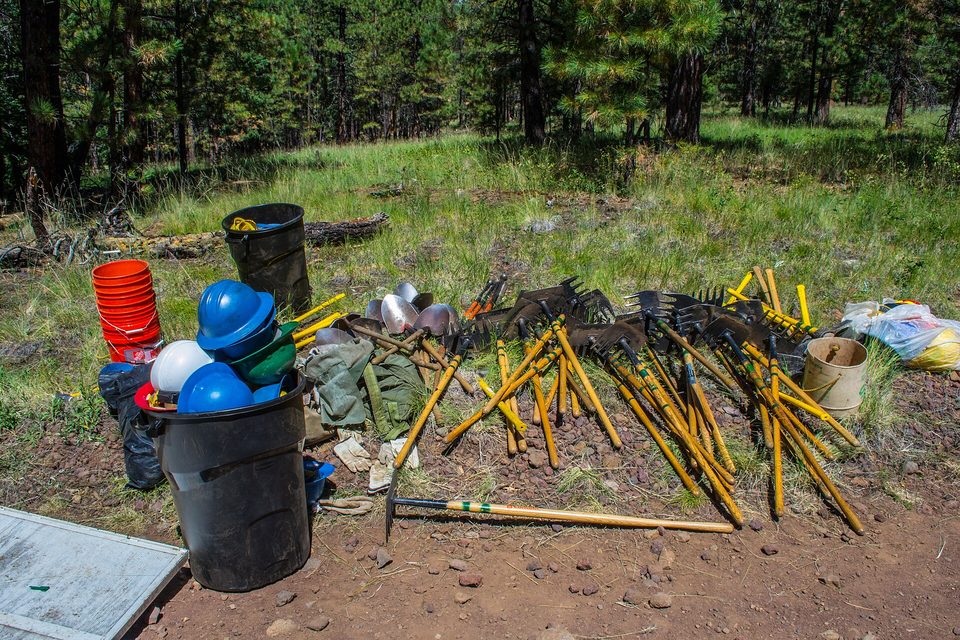
Hero image: P1898, CC BY 4.0, via Wikimedia Commons. Cropped.
Tell us what your contractor site runs on and we will tell you whether the plan you are paying for fits it. If the entry tier is enough, we will say that instead of selling you something bigger.
Get Your Web Hosting Plan Get help choosing
Or call 716-771-2536 and tell us what the site has to do. If the plan you are already on is the right one, we will say so.
