

Oklahoma City
Energy, aviation and agriculture.
Hosting in Oklahoma City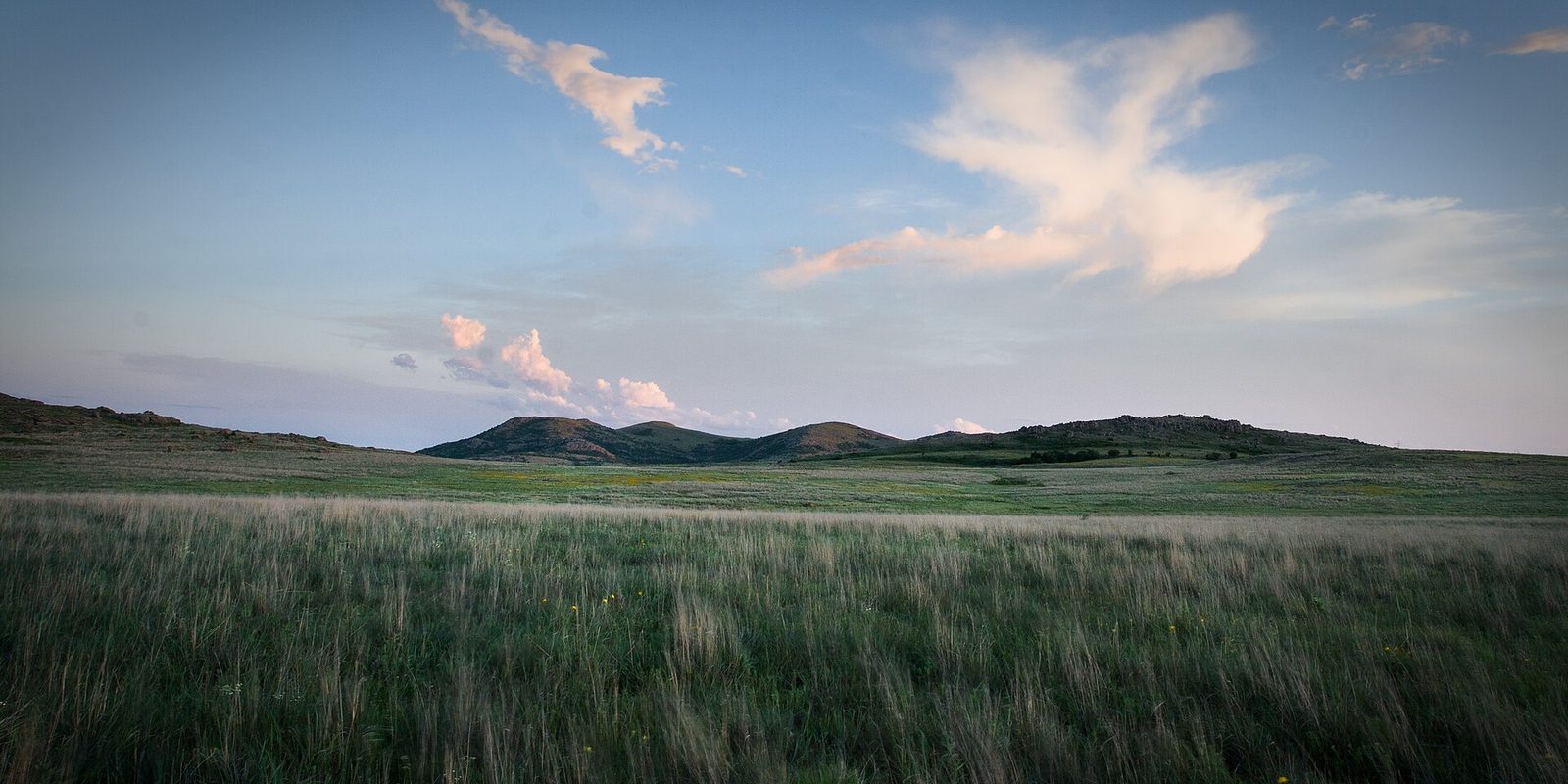
Oklahoma runs on energy, aviation work and agriculture, and all three are exposed to weather that arrives on a schedule everybody in the state already knows. That produces a second layer of businesses whose entire year is shaped by what the sky does. Both groups need web hosting in Oklahoma that behaves on the worst day, not the average one.
We are not in Oklahoma. AldoMedia works from a single office in Buffalo, New York. There is no Oklahoma address, no local number, and nobody who can come to your premises. Everything is set up, moved and supported remotely, which is the ordinary way hosting works.
The energy side of the state is oilfield and gas work plus everything that services it: fabrication, pipe, pumps, rigging, water handling, trucking, environmental and safety contractors, land and title work. Very little of that is sold to the public. It is sold to a small number of operators who already know roughly who does what.
The aviation side is maintenance, repair and overhaul, parts, avionics, tooling, training and the shops that supply them. It buys the way any regulated supply chain buys, on documented capability rather than on a nicely written homepage.
Agriculture is the third leg: cattle, wheat and other row crops, equipment dealers, feed and input suppliers, transport, storage, veterinary and agronomy services. The customer usually knows the name already and is looking for hours, a location and a person.
Then there is the layer on top of all of it. Roofing, glass, tree work, fencing, restoration, general contracting, insurance adjusting, equipment rental, generator and electrical work. In a state where damaging storms are a normal feature of the calendar rather than an unusual event, those are not opportunistic trades. They are permanent industries with a demand curve written by the weather.
It is worth being honest about which group you are in, because the two want opposite things from a website. One is being checked by a buyer with time. The other is being found by somebody standing in a driveway looking at damage.
Send us the address. We will tell you what the site weighs, how quickly the phone number appears on a phone, and whether it would hold up in the week after a bad night. If it is already fine, we will tell you that.
If your work spikes after severe weather, your website has a job that lasts about seventy-two hours and then goes quiet again. Everything about how you spend money on it should follow from that.
In those days, the people finding you are on phones, often on a degraded connection, sometimes on a battery they are trying to preserve, and frequently while the power at the house is still out. They are not reading. They want to know whether you are taking calls, whether you cover where they are, and how fast you can get there. If the page does not answer those three things above the fold, it has failed regardless of how good it looks.
The failure we see is almost never the hosting plan running out of room. It is a homepage that has to assemble itself on every visit, or twenty full-size photographs, or three tracking scripts loading before the phone number does. A busy week does not cause that. It just makes it visible to everyone at once.
Your own office is more fragile than your website. Power goes, internet goes, and sometimes the building takes damage. Your site is not served from your premises, so it stays up. What does not survive is anything that only exists on one machine there, including the only copy of your files and any mail that was never on a server. That is a real exposure and a cheap one to close. The backups page covers how we handle the site half of it.
If you are the business people call after a storm, run your test in calm weather. Load the site on a phone, on mobile data, with the office wifi turned off, and see how long the phone number takes to appear.

The general case is written up elsewhere and we will not repeat it. The shared hosting page covers the ordinary setup and the running costs page covers what a small business site really costs across a year. What is worth saying here is which ordinary things matter more than usual given what Oklahoma businesses actually do.
For an oilfield supplier, an aviation shop or an equipment dealer, the quote arrives by email and the purchase order comes back the same way. For a restoration contractor, the adjuster corresponds by email and so does the customer. If your mail sits on a free consumer account, or on a domain whose records were half rebuilt by somebody years ago, you lose work quietly and never find out. Mail on your own domain, with the sending records set up correctly, is the part of the account we treat as more important than the website.
Supply-chain buyers want a capability list, a certification scope, a safety record, an insurance certificate. Keep those as readable text on a page rather than only inside a file, because text is what a search can actually match. Keep the downloadable copy as well, since procurement people file things, and take anything expired down the day it lapses.
Most Oklahoma small business sites have a flat baseline with sharp, unpredictable peaks. That shape rewards caching and light pages far more than it rewards a bigger plan. A large plan serving a heavy page is still a heavy page. Making the page light is what changes the experience during the hours that decide your quarter.
A lot of the sites we are handed came from somebody who has stopped answering. Get control of the domain and the logins before you consider rebuilding anything. The site is often fine and the access is the problem. That is what taking over a website is about.
Copy first, test on the new server, point the domain last, and carry the mail records across exactly as they are. You keep answering calls the whole time it happens.
Fair question and it deserves a straight answer. Hosting is not a local service. Your website does not live in Oklahoma now and it will not afterwards. It lives in a data centre somewhere, and which state that building sits in is not what decides whether your page feels fast.
So proximity is not the thing you are choosing. What you are choosing is whether somebody answers when the mail stops, when a renewal quietly doubles, or when the site goes odd on the busiest Tuesday of the year. We are in Buffalo, we work Eastern time, which puts us an hour ahead of you and reachable well before your afternoon ends, and we have been building websites since 1999. We are an independent authorised reseller, so the infrastructure is the same kind your last host used and the difference is who takes responsibility for it.
If what you want is somebody who will drive out and sit in your office, we are the wrong choice and we will say so plainly. For registering a domain, moving an existing site, keeping mail flowing through the change and having a person to call afterwards, distance changes nothing.
The genuinely local piece of your online presence is your Google Business Profile, and it costs nothing. Get that accurate before you spend money anywhere else.
The overspending in this state tends to run in a few predictable directions.
Spending more genuinely earns its keep when the site takes payments, carries a large searchable document or photo library, or supports a business where a few hours offline costs real jobs. Visitor numbers alone almost never justify it.
If you are weighing a hosted site against a subscription builder, the difference that matters is what you can walk away with. That comparison is on the hosting versus website builder page.
We work with businesses anywhere in the state, and the two largest metros have enough of their own industry mix to be worth writing about separately.
Energy, aviation and agriculture.
Hosting in Oklahoma CityEnergy, aerospace and manufacturing.
Hosting in TulsaEvery state is on our locations page, and every trade we cover is on hosting by industry.
Photograph: Justin Meissen, CC BY-SA 2.0, via Wikimedia Commons. Cropped.
No. The distance between a data centre and a visitor is measured in milliseconds, and it is swamped by everything else happening on the page. A site that feels slow in Oklahoma is nearly always a heavy site rather than a distant one. Check what the homepage weighs, resize the images and turn caching on before you move anything anywhere.
No. The site is served from a data centre, not from your building, so an outage at your premises does not touch it. What an outage can take is anything that only exists on one machine in the office, including the only copy of your files and any mail that was never stored on a server. That is the part worth fixing, and it is inexpensive to fix.
Usually not. A surge makes an already heavy page obvious rather than causing the problem. A bigger plan makes a heavy page slightly less slow. Making the page lighter fixes it. Spend the money on resizing photographs, turning caching on and making sure the phone number and the coverage area are the first things a phone renders.
Not technically. It is a page and a file, and any ordinary plan serves both comfortably. The decisions that matter are editorial. Keep the capability list as readable text so a buyer's search can match it, keep the downloadable copy current, and be deliberate about anything covered by a customer agreement, because a public folder is public to everybody.
Not if the order is right. The existing mail records get written down and recreated exactly before the domain is pointed anywhere, so mail keeps flowing through the change. Email breaks in a migration when somebody rebuilds the DNS from scratch and leaves those records out. The full order of operations is on the website migration page.
Send the address and a sentence about who it is for. We will tell you what to fix, what to leave alone, and whether moving it is worth the trouble at all. If what you have is already right, that is what you will hear.
See hosting plans Get help choosing
Or call 716-771-2536. We are in Buffalo, New York, so we answer Eastern time.
