

Newark
Ports, transport and insurance.
Hosting in Newark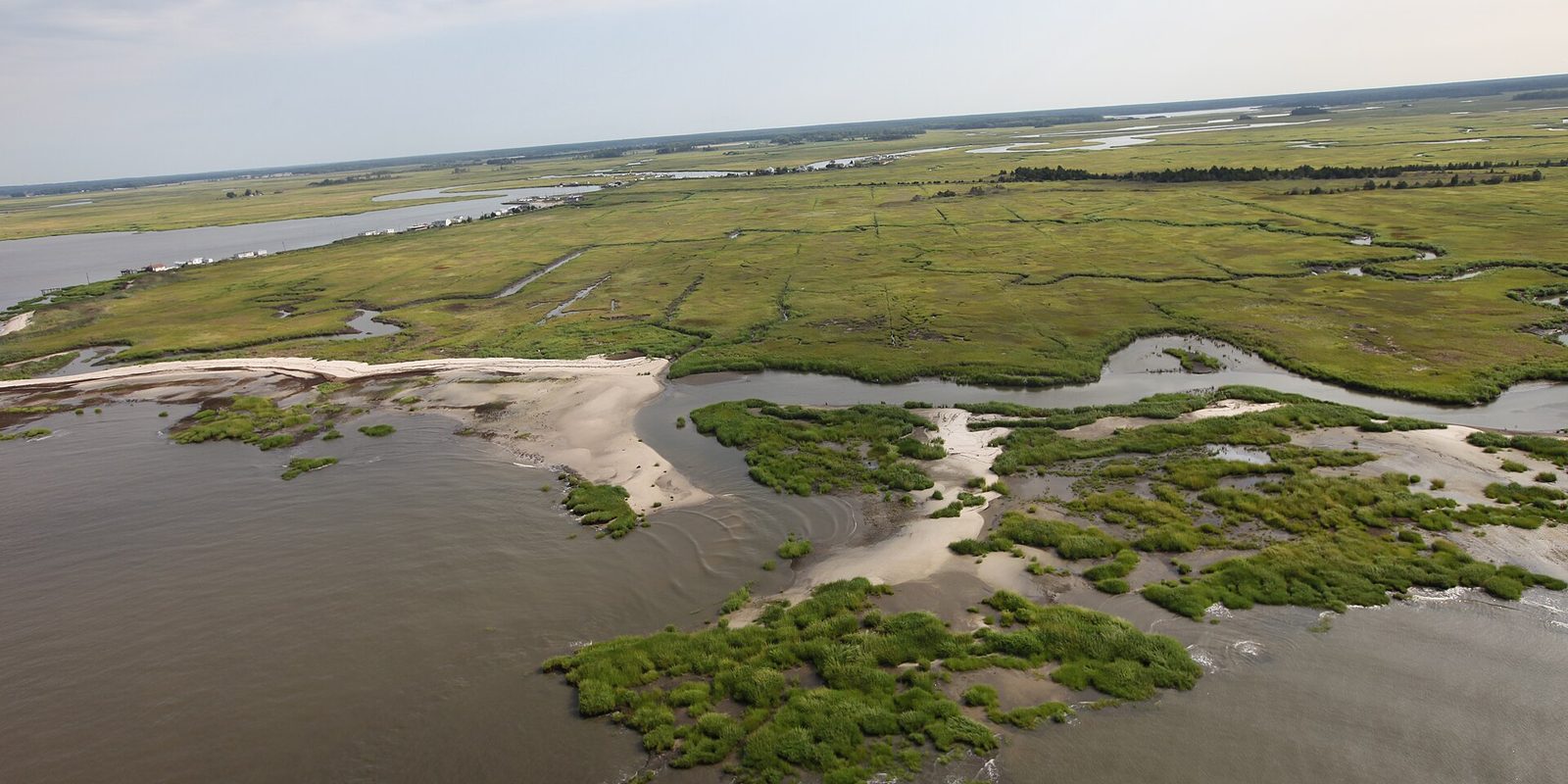
New Jersey runs on things arriving and people moving. Freight comes ashore in enormous quantity and has to be cleared, stored and hauled, while most of the population rents in buildings that turn over constantly. Both of those hand web hosting in New Jersey an unusual job: keeping a site that is right today, not one that is pretty.
We are not in New Jersey. AldoMedia works from a single office in Buffalo, New York, and there is no New Jersey address, no local number and nobody who will drive to you. Setup, migration and support all happen remotely, which is how hosting normally works anyway.
Two currents dominate working life in this state and they have almost nothing in common. Goods arrive by ship and rail in quantities that need warehousing, customs paperwork, brokerage, drayage and last-mile delivery. Separately, people live close together and mostly as tenants, in housing that changes occupants on a schedule that never stops. Add a long-standing medicines and life-science industry to that, and you have a state where a very high share of small businesses are selling into one of three large machines rather than to walk-in customers.
That matters here because it decides what a website is actually for. A shop in a small town has a website so people can find the door. A firm that sells into freight, housing or pharmaceutical supply has a website so that a buyer who is already comparing three suppliers can work out, quickly, whether you are one of them.
Logistics, warehousing and customs work are bought on specifics. What you are licensed and bonded to handle, what you can store and at what temperature, which lanes you actually run, how much floor you have, which filings you do in-house. The buyer is searching for one of those specifics and nothing else.
Most sites in this trade do not contain any of it. There is a photograph of a truck, a sentence about reliability, and a contact form. The capability is real and the website hides it. That is not a hosting fault and no plan will fix it, but it is the single most common reason a capable firm never gets the enquiry.
Dense rental housing generates a long tail of small firms whose whole calendar is turnover: property management, letting, cleaning, painting, plumbing, moving, inspection, appliance repair. For these, the website is not a brochure, it is a statement of fact that has to be correct this week.
If updating a page means emailing somebody and waiting, the page will be wrong most of the time. The ability to change one line yourself, today, is worth more than every other feature on a hosting plan.
Tell us what your site runs on and what it has to keep accurate. We will tell you what is worth changing, what is fine as it is, and whether the plan you are paying for already suits the site.
The state sits against one of the largest metropolitan economies in the world, and that proximity shapes how businesses here get found more than anything technical ever will. Two effects are worth naming, because both get misdiagnosed as website problems.
The first is that when you search for the broad term in your trade, you are not really competing with the firm down the road. You are competing with much larger operations across the line who spend on search the way you spend on payroll. That fight is not winnable on a hosting plan and it is rarely winnable at all.
The second is that customers cross the line constantly, in both directions, and they do not know or care where your office is. So the useful thing your site can do is be specific and honest about coverage. Say which areas you actually travel to and which you decline. Say what you do not do. Firms are strangely reluctant to write that down, and it is the fastest way to stop fielding enquiries you were never going to take.
Being specific beats being broad here, and it costs nothing. A page about the exact service somebody needs, written in the words they would use, will out-earn a homepage trying to rank for the whole trade. That is a writing decision, not a spending one.
The genuinely local part of being found is your Google Business Profile, and it is free. Get it accurate before you spend anything at all on hosting or advertising.

Most of it is unremarkable and it is better to say so. A few dozen pages, some photographs, a form. Shared hosting handles that without effort, and the general arithmetic is set out on what a website costs to run rather than repeated here. Where a port and rental economy does change the answer is in four narrow places.
Almost everything above comes back to this. Availability, rates, lanes, capacity, hours during a heavy season. If the person who knows the answer cannot change the page, the page will lie. Ask, before you sign anything, who can edit the site and how long a one-line change takes.
Freight quotes, rate confirmations, lease applications, purchase orders and supplier paperwork all arrive as email, and in these trades a lost day of it is far more expensive than an hour of downtime. Run mail at your own domain rather than a free address, and know where the records live before anyone touches them. Business email covers how that is set up and what moving an existing mailbox involves.
A firm connected to international shipping gets read overnight by people in other time zones, and a rental listing gets read at midnight by somebody who has just decided to move. Neither of those visitors will wait, and neither will call you in the morning to report a problem. That is an argument for a site that is simple enough to stay up on its own, not for a bigger plan.
Where a page states a rate, an availability or a capability, somebody will eventually ask what it said last month. Ordinary backups are not a legal record and nobody should sell them as one, but they are the difference between having an answer and having a shrug. Know how far back yours go, and check that they can actually be restored rather than assuming.
That is the whole list. None of it is exotic and none of it is expensive. It is simply the part that this particular economy notices when it is missing.
Copy, test, switch the domain last, keep the mail records intact so quotes and enquiries keep arriving. You carry on working while it happens, and afterwards there is somebody to call.
It is a fair objection and it deserves a straight answer rather than a slogan. Hosting is not a local service. Your website does not live in New Jersey today and it will not afterwards. It lives in a data centre, and which state that building sits in makes no practical difference to somebody loading your page on a phone in this state.
So distance is not the thing you are choosing between. What genuinely varies between hosting companies is whether a person answers when something is broken, and whether that person knows anything about your site. We are in Buffalo, we work Eastern time, which is your time, and AldoMedia has been building websites since 1999. We are an independent authorised reseller rather than the operator of the underlying platform, and we will tell you which is which whenever it matters.
If what you want is somebody who will turn up at your warehouse or sit in your leasing office, we are the wrong choice and we would rather say so now than take the money. For registering a domain, setting hosting up, moving an existing site and keeping the mail flowing through the change, being in another state changes nothing.
Very few businesses that contact us are starting from nothing. They are leaving something. A plan that doubled at renewal, a developer who stopped replying, a site nobody has been able to edit since the person who built it moved on.
The order of the work is what keeps you online. Copy everything first, test it on the new server while the old one is still answering, then move the domain last. Done that way the site never goes dark, because visitors keep reaching the old server until their connection catches up.
What goes wrong is nearly always the mail, and always for the same reason. Somebody rebuilds the domain records from scratch and leaves the mail records out. For a firm whose quotes and applications arrive by email, that is the expensive failure, not the downtime. The full sequence is on website migration.
Before agreeing to any move, ask who holds the domain registration afterwards. It should be you. A business that does not control its own domain does not really control its own website or its own email.
We work with businesses across the whole state, and two of its cities have pages of their own where the local economy changes the answer.
Ports, transport and insurance.
Hosting in NewarkFinance and dense rental housing.
Hosting in Jersey CityLogistics, pharmaceutical and a very diverse small business base.
Hosting in EdisonState government, manufacturing and logistics.
Hosting in TrentonEvery state is on our locations page, and every trade we cover is on hosting by industry.
Photograph: U. S. Fish and Wildlife Service - Northeast Region, Public domain, via Wikimedia Commons. Cropped.
No. The distance a request travels inside the north east is measured in milliseconds and is swamped by everything else on the page. A site that feels slow in New Jersey is nearly always heavy rather than far away. Look at the size of the photographs and whether caching is switched on before you consider moving anything.
Usually not. A logistics site is text, a few photographs and a contact form, which is one of the lighter things you can put on a server. What is worth investing in is putting your actual capability on the site as readable text, licences, lanes, storage and filings included, and being able to add a page yourself when something changes. That is a working arrangement, not a larger plan.
Hosting cannot make you update a page, but the wrong setup can make it so awkward that you stop. If changing one line means raising a ticket and waiting a week, the listings will drift and the calls will follow. Insist on a site where the person who knows what is available can edit it in a couple of minutes, from a phone if necessary.
Stop competing for the broad term, because that fight is decided by budget and you will not win it. Write specific pages about the specific work you do, in the words a buyer would type, and be blunt about the areas you cover and the jobs you turn down. Narrower pages get fewer visitors and far more enquiries, and none of it costs anything but time.
Losing a day of them, which is worse than the website being down for an hour. It happens when the domain records are rebuilt from scratch and the mail records are not copied across exactly. Write down what exists before anything is touched, move the site first and the domain last, and confirm that mail actually flows before anyone calls the job finished.
Send us the address and what it runs on. We will tell you what would break in a move, what is worth fixing first, and whether you are already on the right plan. If you are, we will say so and leave it alone.
See hosting plans Get help choosing
Or call 716-771-2536. We are in Buffalo, New York, so we answer Eastern time.
.jpg)