

Gulfport
Coastal tourism, shipping and seafood.
Hosting in Gulfport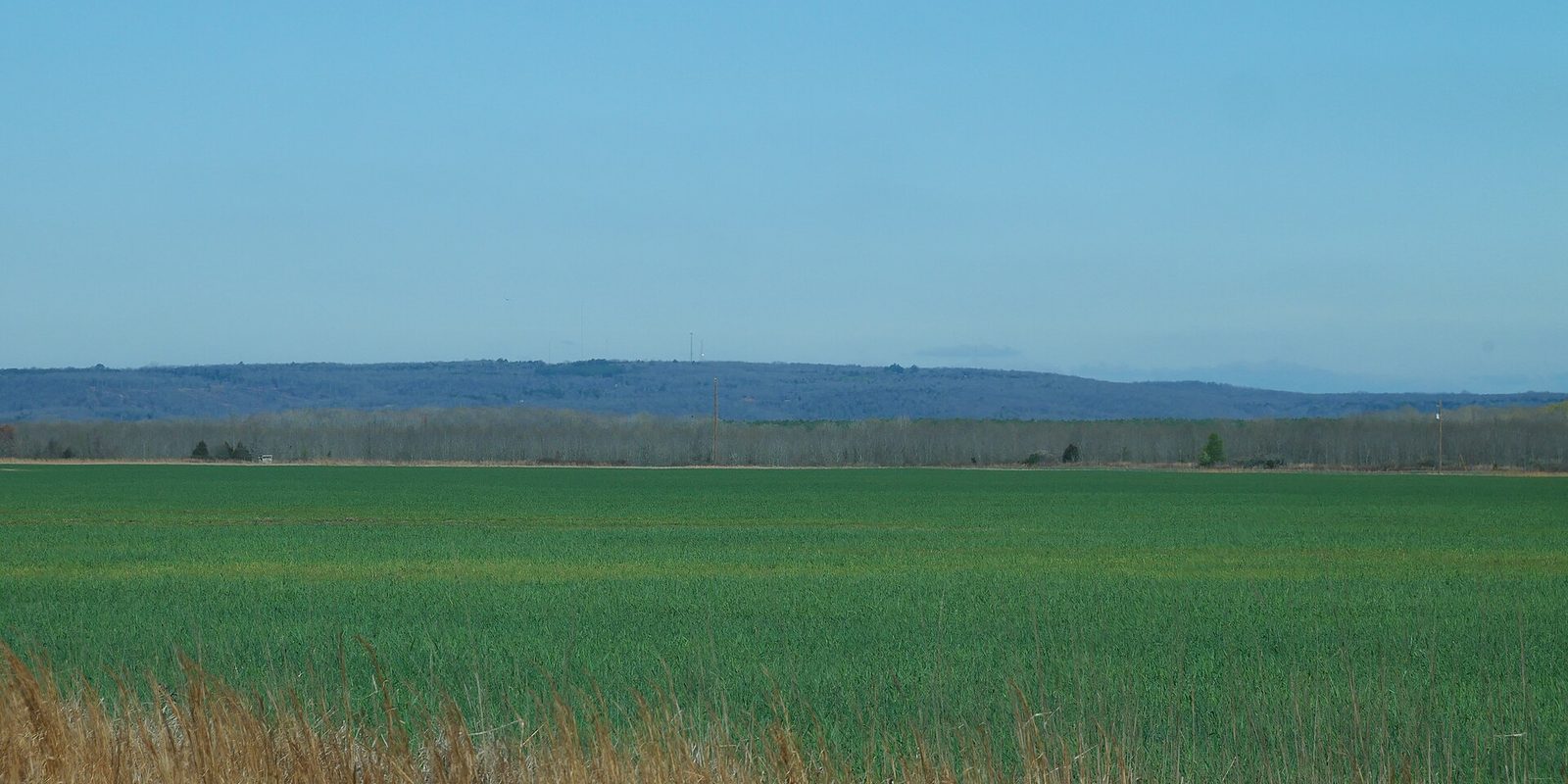
Mississippi is a state where the distance between two towns is the most important number in a lot of buying decisions. Before anybody compares your prices they work out roughly how far away you are, and half the time they do that on your website. So web hosting in Mississippi has to carry a site that says where you work, plainly, before it says anything else.
We are not in Mississippi. AldoMedia works from Buffalo, New York, and there is no office, no local number and nobody in the state who could drive out to you. Everything here is set up, moved and supported remotely, which is how hosting works anyway.
In a dense metro, a customer picks from whoever is nearby, and nearby means a lot of people. Across most of this state it does not work that way. The realistic pool for a service call is whoever is willing to make the drive, and the customer decides who that is before they ever pick up the phone.
So the question your website has to answer first is not what you charge or how long you have been in business. It is whether you come out this far. If a visitor cannot work that out in a few seconds, they close the tab and try the next result, and you never know it happened.
Most sites answer this badly. They say the town they are based in and stop, which leaves everyone outside that town guessing. Others list forty place names in a block of grey text at the bottom, which reads as spam and answers nothing. The useful version is a plain sentence in the top part of the page saying how far out you travel and whether distance changes the price.
One clear sentence about how far you travel will do more for your enquiries than a redesign. It costs nothing and almost nobody does it.
Send us the address and we will tell you what your site weighs, how it loads on a phone with a weak signal, and whether a stranger could work out in five seconds how far you travel. If it is already fine, we will say so.
The state economy leans on agriculture, on manufacturing plants, and on shipbuilding and the marine trades along the coast. Those are different businesses with one thing in common. Very little of the money is won on a website. It is won on the phone, in a yard, at a counter, or through a purchasing department. The site's job is to survive being checked.
On the farming side, the year runs to a planting and harvest calendar, so demand arrives in windows, and the people reading your site are often standing outside on a phone rather than sitting at a desk. On the industrial side, a buyer at a plant or a shipyard will look you up quietly, decide in a minute or two whether you look real, and never contact you if the answer is no.
None of that needs a large site. Four or five honest pages that are current beat twenty pages that were true three years ago.

The general case for plans and features is on the shared hosting page and the ongoing costs are on what a website costs to run, so this is only the part that is different because of where you are.
First, capacity is almost never your problem. A rural service business does not get thousands of simultaneous visitors. It gets a steady trickle, with a lift in a busy season. A page of ordinary text and a few sensible photographs absorbs that on the smallest plan there is. When one of these sites feels slow, it is heavy, not overloaded, and paying for a bigger plan makes a heavy page slightly less slow rather than fixing it.
Second, being unreachable costs you more here than it would in a city, because the customer's alternative is not the shop next door. If your site is down when somebody two counties over is deciding who to call, they do not wait for you. That argues for boring, stable hosting and against anything clever that needs constant looking after.
Third, weather. This is a hurricane and severe storm state, and the risk to your website is not the server, which is nowhere near you. The risk is that your office is without power for a week and you find out then that the only copy of the site was on a laptop, or that nobody knows the login to the domain. That is a records problem, not a hosting problem, and it is solved in advance.
The useful preparation for a bad week is done in a quiet one. Nobody has ever fixed a slow website during an emergency.
Copy the site, test it on the new server, switch the domain, keep the mail records intact. You keep working while it happens, and afterwards there is somebody to call.
It is a fair objection, especially on a page whose whole argument is that distance matters. So here is the straight answer. Distance matters for the work you do. It does not matter for hosting.
Your website does not live in Mississippi today and it will not afterwards. It lives in a data centre somewhere, and which state that is in makes no difference a visitor could notice. We do not own that data centre and we will not pretend we do. We are an independent authorised reseller and we have been building and looking after websites since 1999.
What you are actually choosing is who answers when something is wrong. That has nothing to do with miles. We work Eastern time, which is one hour ahead of you, and we answer email outside that. If what you want is somebody who will come to your yard, we are not that and neither is any hosting company, wherever it is based. We would rather tell you now than sell you something and disappoint you later.
The genuinely local piece of your online presence is your Google Business Profile, and it is free. Get that right before you spend money anywhere else.
This is the section most hosting companies leave out, so here it is plainly.
Spending more is justified when the site takes payments, holds customer documents, carries a large photo library, or when a day offline in your busy season would genuinely cost you work. Visitor numbers alone almost never justify it.
If you are leaving a host that got expensive, or taking over a site from somebody who stopped replying, the order of operations that keeps your email working through the change is on the website migration page. The order matters far more than the tools do.
We work with businesses anywhere in the state, from the larger towns to places where the nearest web company is a two hour drive, and it is all handled the same way because none of it depends on being nearby.
Coastal tourism, shipping and seafood.
Hosting in GulfportHealthcare, government and distribution.
Hosting in JacksonEvery state is on our locations page, and every trade we cover is on hosting by industry.
Photograph: Wolfpoint, CC BY-SA 4.0, via Wikimedia Commons. Cropped.
No. The distance between a visitor and the server is measured in milliseconds and is swamped by everything else on the page. A site that feels slow in Mississippi is nearly always heavy rather than far away. Resize the photographs and turn caching on before you consider moving anything anywhere.
Almost never. Ten near-identical pages with the place name swapped are treated as thin content, and they are miserable to keep current when your coverage changes. One page that says plainly how far you travel, whether there is a trip charge and which areas each crew covers does the same job honestly and reads better to a person.
Nothing. The site is not in your office, so it stays up while you are dark, which is exactly when people are looking you up. The thing worth doing in advance is making sure you can still get into the domain and hosting accounts from a phone, and that somebody other than one person knows how.
You reach us an hour earlier than your own clock suggests, because we run one hour ahead, and we answer email outside working hours. What you give up is anyone physically present, and no hosting company offers that at any distance. What you are buying is a person who answers.
If people look you up before calling, and they do, then yes, and it can be small. If every customer you have comes from a relationship or a channel that never searches for you, spend the money elsewhere. We will tell you that rather than sell you hosting you do not need.
Tell us what your site runs on and what it has to do for a customer weighing up whether you are too far away. We will tell you what to fix, what to leave alone, and whether the plan you are on is already the right one.
See hosting plans Get help choosing
Or call 716-771-2536. We are in Buffalo, New York, so we answer Eastern time.
