

Louisville
Shipping, healthcare and bourbon tourism.
Hosting in Louisville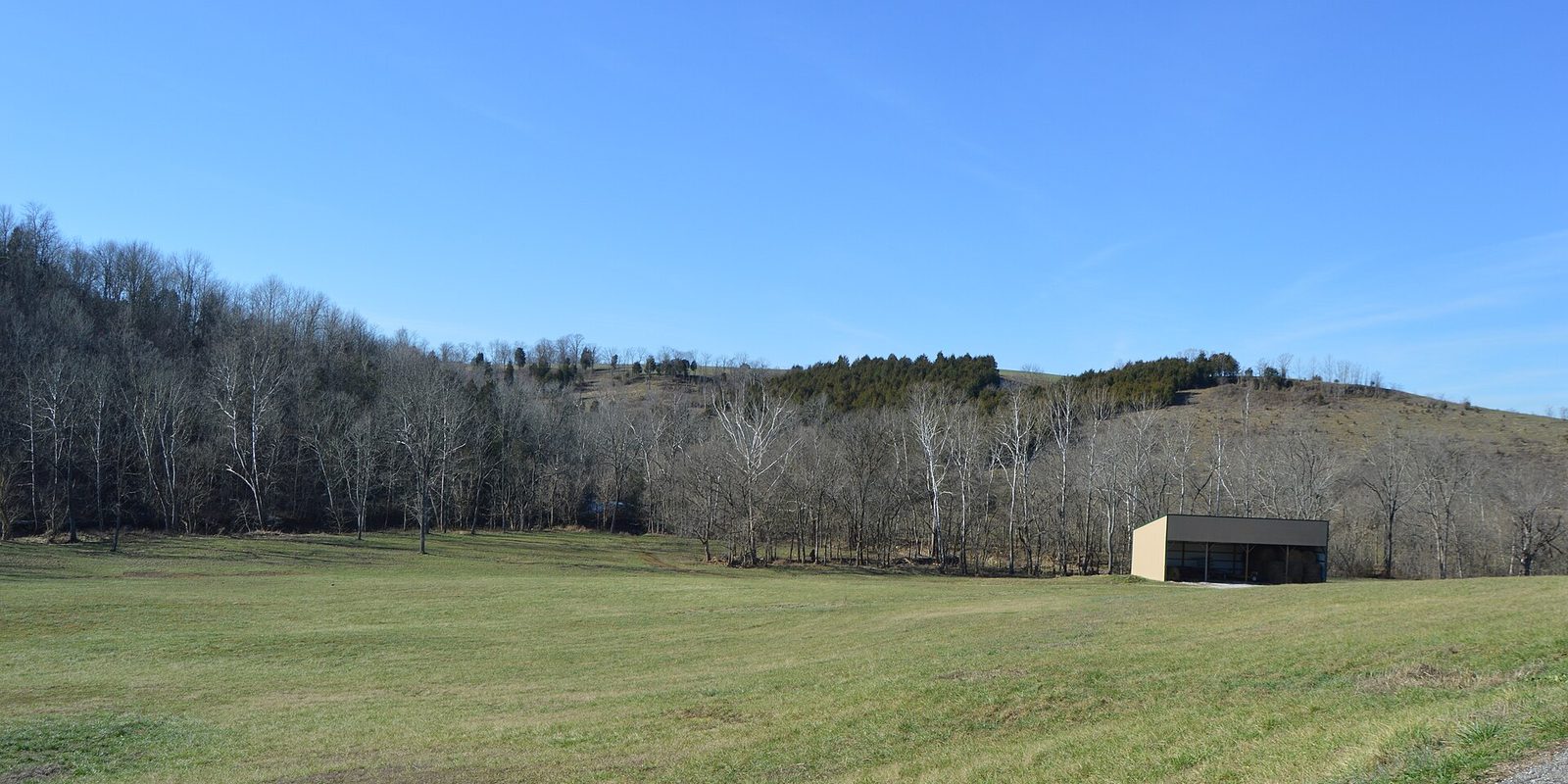
Kentucky runs on three things that behave nothing alike: freight that never stops, manufacturing that plans in quarters, and a visitor economy that arrives in a small number of enormous weeks. Web hosting in Kentucky bought for the average week here is bought for a week that barely exists.
We are not in Kentucky. AldoMedia works from one office in Buffalo, New York, and there is no Kentucky address, no local number and nobody to send round. Setup, migrations and support all happen remotely, which is how hosting has always worked.
Most states have one story. Kentucky has three, and the businesses in it usually sit inside one of them without much overlap with the other two.
There is the freight and distribution side, where the state's position in the middle of the country turned into air cargo, warehousing and trucking. Those businesses are open when the rest of the country is asleep, and their websites are read by people making a decision at an odd hour.
There is manufacturing, much of it feeding vehicle and appliance supply chains, where the customer is another company rather than a person. The website is not a shop window there. It is a credentials check that happens before anyone picks up a phone.
And there is the visitor economy built around distilling, horses and the countryside they sit in. That one does not run at a steady rate. It runs in bursts.
If you are not sure which of the three you are in, look at who reads your site at 2am. Freight has visitors then. The other two do not.
Send us the address. We will tell you what the site weighs, how it loads on a phone on mobile data, and whether it would survive your busiest week. If it is already fine, we will say so and charge you nothing to hear it.
This is the part that makes Kentucky different for anyone whose income touches visitors. The season is not a long gentle rise. It is a normal year with a handful of weeks bolted into it where demand is a multiple of anything else on the calendar.
Distillery tours, the horse calendar and the spring and autumn travel weather stack on top of each other. Lodging fills, restaurants fill, tour operators sell out, and every business within reach of that spends the rest of the year living partly on what those weeks produced.
Very little, but it has to do it perfectly. Somebody is on a phone, probably on rural mobile data, deciding between you and two other options in about forty seconds. They want to know whether you have space, what it costs, when you open and how to book.
The failure mode is specific and worth naming. Sites do not usually break in the big week because the plan is too small. They break because a page that was merely slow in February becomes unusable when a hundred people open it at once. Traffic exposes weight. It does not create it.
If your booking page is slow in the quiet months, it will cost you money in the loud ones. February is when to fix it.

The other two Kentucky economies need almost the opposite things, and it is worth being clear about that rather than giving everyone the same advice.
A distribution or trucking business has no season. It has a flat line with an overnight tail, which is genuinely easy to host. What matters there is that the site is up at unsociable hours and that the contact route works, because a broken enquiry form on a logistics site is not noticed until a week of leads has gone missing. Test the form monthly by actually sending one.
A manufacturer's site is read by a buyer checking whether you are real. That means certifications, capabilities and specification documents, and it usually means PDFs. PDFs are fine here, unlike on a restaurant menu, because the buyer wants a file to forward. What is not fine is a PDF that has quietly disappeared because somebody rebuilt the site around it. Keep backups that include your document library, not only the pages.
Both of these are small, static, undemanding sites. Shared hosting covers them without argument. If you are being sold something larger for a twelve-page capabilities site, ask what the extra is for and see whether the answer survives a follow-up question.
Visitor numbers on their own almost never justify it. What a big week needs is a light page, not a large plan. The general question of what a site costs to keep running is covered on what a website costs to run.
Copy, test, switch the domain, keep the mail records intact. You carry on working while it happens, and afterwards there is a person to call rather than a ticket queue.
Fair question, and it deserves a straight answer rather than a slogan.
Hosting is not a local service. Your website does not live in Kentucky today and it will not afterwards. It lives in a data centre somewhere else, and which state that building sits in makes no difference a visitor could ever notice. We are an independent authorised reseller, not the owner of the hardware, and neither is most of the industry that implies otherwise.
So the thing you are really choosing is who answers when something is wrong at the worst possible moment. That varies enormously between providers and it has nothing to do with mileage. We are in Buffalo, we answer on Eastern time, which is the same clock most of Kentucky keeps, and we have been building and looking after websites since 1999.
If what you want is somebody who will drive to your premises and sit with you, we are the wrong choice and we will tell you so early. For setting up hosting, moving a site off something that has gone bad, and keeping the mail working through the change, distance changes nothing.
The genuinely local part of your online presence is your Google Business Profile, and it is free. Get that right before you spend money anywhere else.
Very few Kentucky businesses come to us because they are launching. They come because a host got slow, a renewal price quietly doubled, or the person who built the site stopped replying to email. Sometimes nobody left in the building knows who controls the domain.
The order of operations is the whole job. Copy the site first, test it on the new server, and only then point the domain across. Done that way nothing goes dark, because the old server keeps answering until each visitor catches up.
What actually breaks in a migration is email, and it breaks the same way every time: somebody rebuilds the DNS from scratch and leaves out the mail records. A day of enquiries vanishes before anyone notices. Write the existing records down first. The full sequence is on the website migration page.
If you have inherited a site and do not know what you own, that is common and fixable. Start with the domain, because everything else can be rebuilt and that cannot.
Two cities have pages of their own, and we work with businesses across the rest of the state on exactly the same terms.
Shipping, healthcare and bourbon tourism.
Hosting in LouisvilleHorses, healthcare and education.
Hosting in LexingtonEvery state is on our locations page, and every trade we cover is on hosting by industry.
Photograph: Nyttend, Public domain, via Wikimedia Commons. Cropped.
No. The distance a request travels is measured in milliseconds and is buried under everything else happening on the page. A site that feels slow in Kentucky is nearly always heavy rather than far away. Resize the photographs and turn caching on before you consider moving anything, because moving a heavy site just relocates the problem.
Usually not. Buying capacity for the peak means paying for it every month to solve a problem that a lighter page solves permanently. Get the homepage and the booking page light first, then look again. If after that the site still struggles under load, the plan is worth revisiting, and by then you will know it is actually the plan.
You email or call and a person picks it up on Eastern time, which is the clock most of Kentucky already runs on. What you are buying is somebody who answers and knows your setup, not somebody nearby. No host, local or otherwise, sends anyone to your building.
Not at all. Documents are small and static and a shared plan handles a large library of them without noticing. The two things worth attention are keeping those files in your backups, since they are often the only copy anyone can find, and making sure a buyer can reach the right document in two clicks from the capabilities page.
With the domain, before anything else. A website can be rebuilt from a backup or even from scratch; a domain you cannot prove you own is a much worse afternoon. Find the registrar, get the account into a company address rather than a former employee's, and set the renewal to auto. Then worry about the hosting.
Tell us what the site runs on and what it has to survive. We will tell you what to fix, what to leave alone, and whether the plan you are already paying for is the right one.
See hosting plans Get help choosing
Or call 716-771-2536. We are in Buffalo, New York, so we answer Eastern time.
