

Home inspectors
Every sale in a fast-moving housing market runs to a deadline, so the site has to answer scheduling and turnaround questions without a phone call.
Home inspectors hosting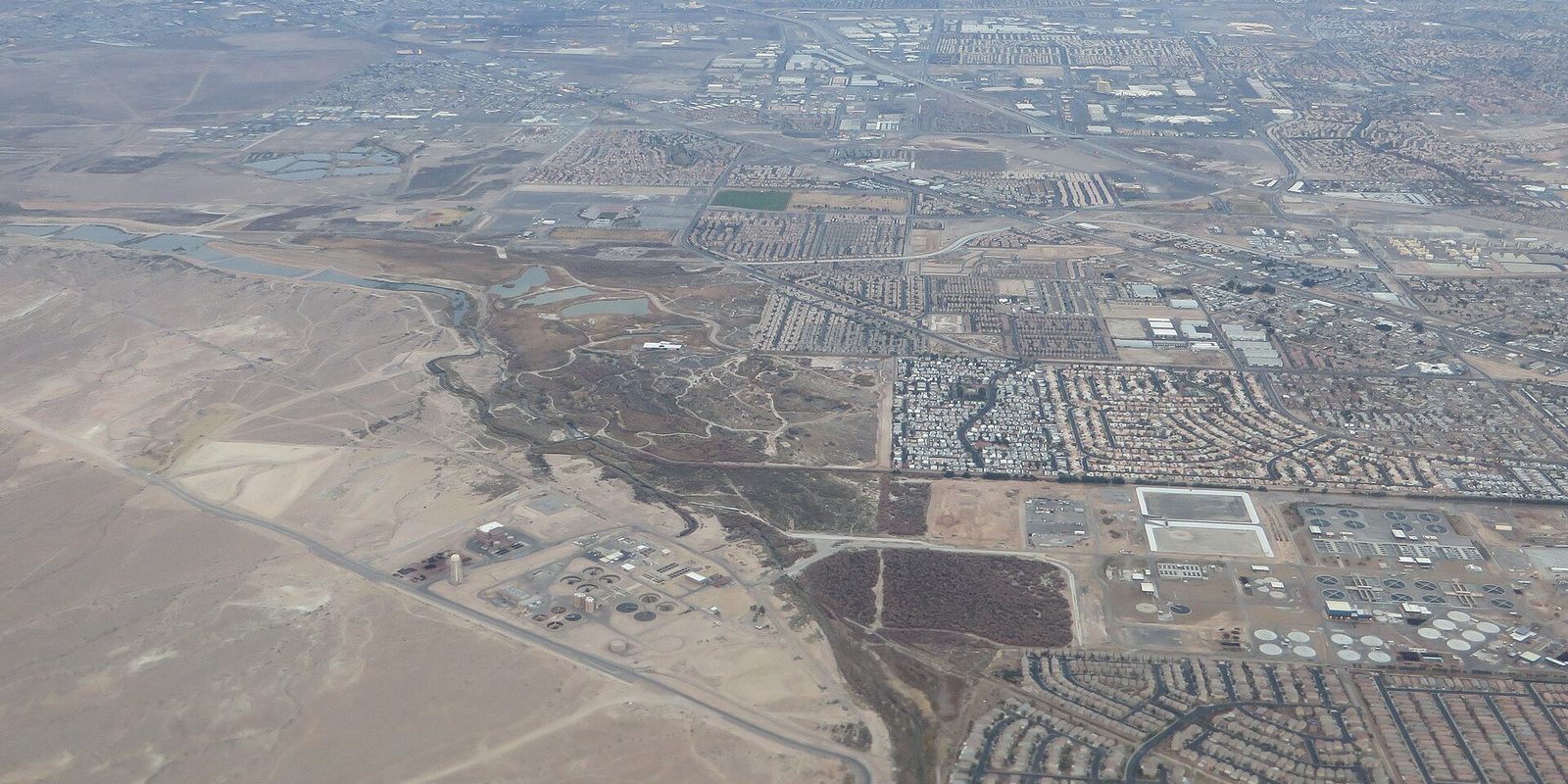
Henderson is a suburban housing market beside a much larger city, and most of the work here happens at somebody's address rather than in a shop. In a desert, cooling and irrigation never really stop being a problem, so web hosting in Henderson, NV mostly serves businesses answering the same handful of questions all year.
We are not in Henderson. AldoMedia is in Buffalo, New York, and there is no Nevada office, no local number and nobody who can drive over. Setup, migration and support are all done remotely, which for hosting is simply the normal way it works.
Suburban housing in a desert creates a particular kind of demand. The cooling equipment runs for most of the year and is expected to fail eventually. The irrigation runs constantly because nothing outside survives without it. Neither of those is a seasonal nice-to-have. They are the reason a homeowner has a list of numbers on the refrigerator.
So the businesses serving those houses are not selling a rare purchase. They are selling a recurring relationship, and the website is where somebody decides whether you are the person they call for the next ten years or the person they call once.
Mostly it asks for plain answers to boring questions, written down. In a market where every neighbour has already had the same work done, the reader is not deciding whether they need you. They are deciding whether you are worth the phone call, and they will make that decision from three or four pieces of information.
In a suburb, most of your work will come from people who already heard your name. The site's job is usually to confirm a recommendation, not to create one. Make it easy to confirm.
Send us the address and we will tell you how heavy the homepage is, how long it takes to load on a phone on mobile data, and whether the plan you are paying for matches the site you have. If it is already right, we will say so.
This is the practical difference the climate makes, and it has nothing to do with the server. Somebody standing beside a failed unit, or looking at a dead patch of yard, is reading you on a phone in bright sun on mobile data. A page that is perfectly acceptable on office wifi is unusable in those conditions.
Heat does not affect hosting. It affects how your site gets used, and that is worth more attention than the plan you are on.
The test worth running is the honest one. Open your own site on your phone, outside, on mobile data, and count the seconds until you can tap the phone number. If that is uncomfortable to watch, you have found the problem, and it is almost never the hosting.

It is a fair question and it deserves a straight answer rather than a soft one. Hosting is not a local service. Your website does not live in Henderson now and it will not afterwards. It lives in a data centre somewhere, and which state that building sits in makes no difference a visitor in Nevada could ever notice.
So what you are actually choosing is who picks up when something is wrong at nine on a Tuesday. That varies enormously between providers, and it has nothing to do with distance. We are in Buffalo, we answer Eastern time, and we have been building and looking after websites since 1999.
If what you want is somebody who will drive to your office and sit with you, we are the wrong choice and we will say so plainly. For setting up hosting, moving an existing site, and keeping the email working through the change, being in another state changes nothing at all.
The genuinely local thing is your Google Business Profile, and it is free. Get that right before you spend money anywhere else.
Copy, test, switch the domain, keep the mail records intact. You keep working while it happens, and when something needs checking afterwards there is somebody to ask.
Most businesses that contact us are not launching something new. They are leaving something: a host that got slow, a designer who stopped replying, a plan that quietly doubled at renewal, or a site somebody else built and nobody now has the login for.
The order of operations matters more than the tools. Copy the site first, test it on the new server, and only then point the domain across. Done that way the site never goes dark, because the old server keeps answering until each visitor's connection catches up.
The part that goes wrong is nearly always email. Somebody rebuilds the DNS from scratch and leaves the mail records out, and a home services business loses a day of enquiries before anybody notices the inbox is quiet. Write the existing records down before touching anything. The full sequence is on the website migration page, and if you have lost access to the old setup entirely, start with taking over a website.
A silent form is the most expensive bug on the small business web, because a broken enquiry form looks exactly like a slow month. Test yours from a phone twice a year.
This is the part hosting companies leave out, so here it is straight. Most of what gets sold as necessary is not.
Spending more is worth it when the site takes bookings or payments directly, when it carries a large photo library, or when a few hours of downtime costs you a scheduled job the same day. Volume of visitors, on its own, almost never justifies it.
For a full picture of what running a site actually costs once you add domain, hosting and mail together, see what a website costs to run. It is usually less than people expect, and it is usually spread across more invoices than it needs to be.
The businesses whose websites do the most work in a housing market where cooling and irrigation never stop mattering, each with a page of its own.
Every sale in a fast-moving housing market runs to a deadline, so the site has to answer scheduling and turnaround questions without a phone call.
Home inspectors hostingCooling equipment that runs most of the year fails eventually, and the site has to hold up on the hot afternoon it happens.
HVAC companies hostingDesert yards sell from photographs and depend on irrigation, and photographs are exactly what make a site slow.
Landscapers hostingEvery trade we cover is on hosting by industry, and every city on our locations page.
Skyline photograph: Ken Lund from Reno, Nevada, USA, CC BY-SA 2.0, via Wikimedia Commons. Cropped.
Probably not, though check what that subscription actually covers first. It usually pays for an editing tool with hosting bundled into it, so once the site sits on standard hosting the builder side stops earning its keep. The catch is that some proprietary builders do not export cleanly. Send us the address and we will tell you which of the two you have before you cancel anything.
Almost certainly, and you probably do not need to buy anything to fix it. Most hosting includes SSL already, so a warning normally means it lapsed or was never switched on rather than that it is absent from the plan. Ask your host what is covered before paying a separate service. Somebody standing outside beside a failed unit will not read past that warning.
A free address delivers mail perfectly well, so nothing is broken. What it costs you is confidence, because a homeowner comparing two contractors reads an address at your own domain as the more settled of the two. Mail on your domain sits with the hosting and moves with it. If you have used a free one for years, change it at your own pace and run both while the vans and paperwork catch up.
Not in any way a customer would notice. Distance to the server is measured in milliseconds. The photographs on your pages are measured in seconds. Somebody reading you on mobile data in bright sun is waiting on the weight of the homepage, not on geography. Resize the images and switch caching on, then look at the server if it is still slow, which it rarely is.
Tell us what your site runs on, who built it, and what it has to survive. We will tell you what to fix, what to leave alone, and whether the plan you are paying for is already the right one. Current pricing is on the hosting page.
See hosting plans Get help choosing
Or call 716-771-2536. We are in Buffalo, New York, so we answer Eastern time.
.jpg)