

Trucking companies
Freight buyers check authority, insurance and lane coverage before they ever call, so the site has to answer that without a conversation.
Trucking companies hosting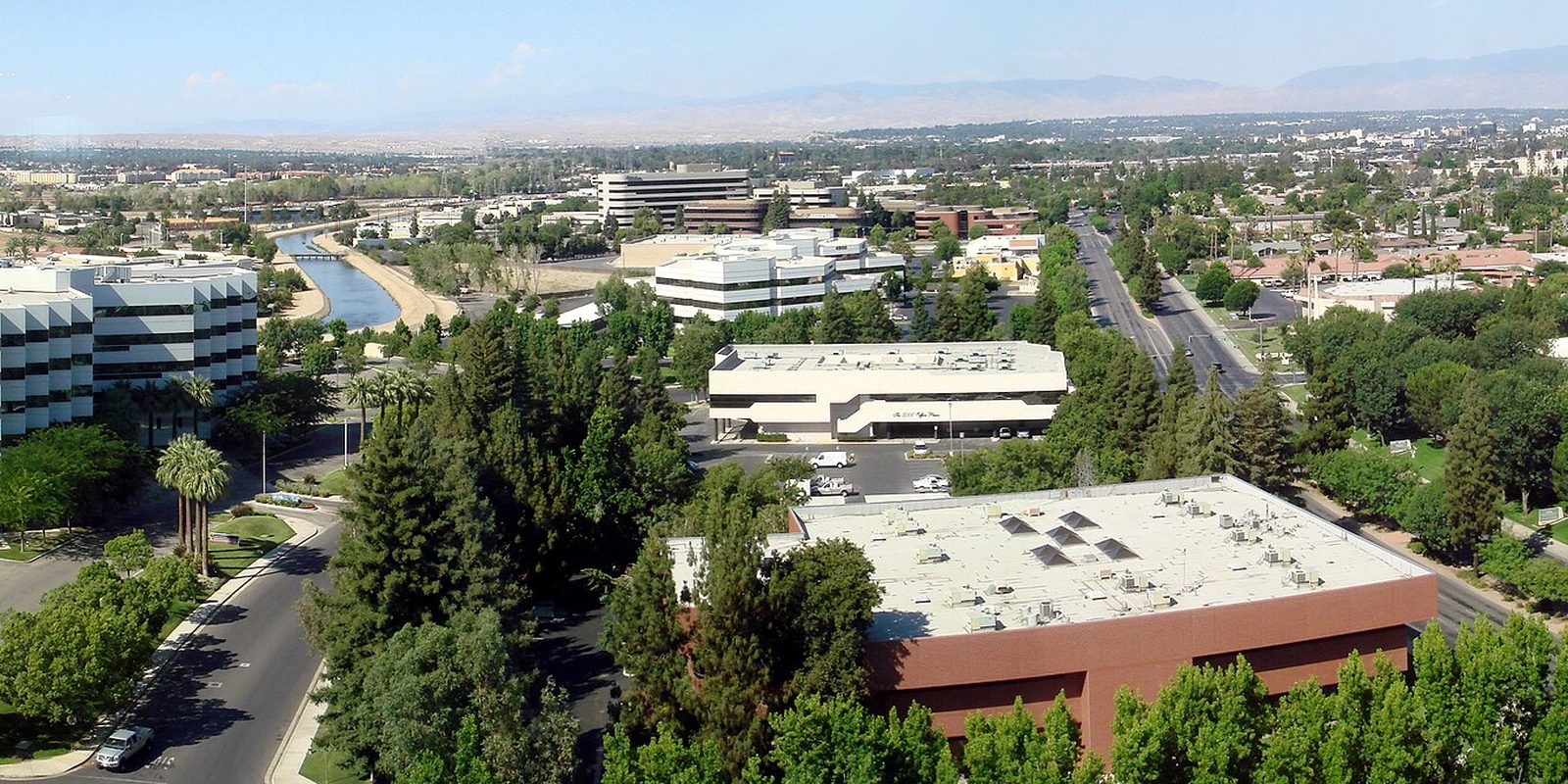
In Bakersfield the customer is often another business rather than a household. That changes what a website has to do, and most web hosting in Bakersfield, CA is sold as though it did not. A page written to charm a homeowner will lose you a supply contract.
We are not in Bakersfield. AldoMedia works out of Buffalo, New York, and there is no California office, no local number and nobody to send round. Setup, migration and support all happen remotely, which is how hosting has always worked anyway.
An oil and agriculture economy runs on contracts between companies. The person opening your website is often not buying for themselves. They are buying for an operation, on somebody else's budget, and they have to justify the choice to a manager who will never visit your site at all.
That person is not browsing. They are checking. They want to know that you are real, that you are still trading, that you can handle the size of the job, and that you will not create a problem for them. Charm does nothing. Evidence does everything.
None of that is expensive to publish. Most of it is already known inside the business and simply never made it onto the website. It is the cheapest improvement available to a company here, and it costs nothing in hosting.
If a purchasing department cannot tell within twenty seconds whether you can do the job, they move to the next result. They are not going to call and ask.
Send us your address and we will tell you what the site weighs, how fast it loads on a phone on a poor signal, and whether a purchasing manager could tell in twenty seconds what you do. If it is already fine, we will say so.
Industrial and agricultural work starts early and does not wait. A broken machine at first light is somebody searching on a phone from a yard, standing in the sun, on whatever signal is available out there. That is the real test of your website, not how it looks on a designer's monitor.
Two things matter in that moment. The page has to load on a weak connection, and the phone number has to be tappable without any hunting. Everything else can wait.
Summer here makes it harder in a way people underestimate. Long stretches of extreme heat mean more equipment failures, more emergency calls, and more people reading your site outdoors on a screen washed out by sun. Big text and strong contrast are not a design preference in that setting, they are whether the page is usable at all.
Winter brings the opposite problem. Dense valley fog slows haulage, shifts schedules and pushes work around, and the businesses that publish current availability get the call ahead of the ones a buyer has to phone to find out.

Less than you are probably being sold. A company website with a services section, a capability page, a contact form and some documents is a light thing to run. Shared hosting covers it comfortably, and the entry tier usually is enough.
Three things do matter, and they are worth spending attention on rather than money.
This is the one that quietly costs work. Quotes and enquiries between businesses go by email, and a corporate mail filter is unforgiving. Send from a free consumer address and you look small. Send from a domain with no proper mail records and you may not arrive at all. Set up business email on your own domain and get the authentication records right, then check that a message from you actually lands rather than assuming it does.
Not backups you have been told exist. Backups somebody has restored from, at least once, so you know how long it takes and what you get. Website backups are the cheapest insurance in this business, and the most commonly untested.
Industrial and agricultural suppliers hand out safety data sheets, spec sheets, capability statements and certificates. Those files get linked to from customer procurement systems. Move them and the links break silently. Decide on a sensible location early and stop moving them.
What you can generally skip: a large plan for a small site, extra storage when the real problem is a dozen unresized photographs, and a second security product duplicating something the plan already includes. Ask what is included before you add anything.
Copy, test, switch the domain, keep the mail records intact so quotes keep arriving. You carry on working while it happens, and afterwards you have somebody to call.
Fair question, so here is the straight answer. Hosting is not a local service. Your website does not sit in Bakersfield today and it will not afterwards. It sits in a data centre somewhere, and which state that is in makes no difference a visitor in California could measure.
So the thing you are really choosing is who picks up when something is wrong, and that has nothing to do with distance. We are in Buffalo, we work Eastern time, and we have been building and looking after websites since 1999. We are an independent authorised reseller, not the operator of the underlying platform, and we will tell you when the plan you have is already the right one.
The three hour gap works in your favour more often than against it. We are at our desks well before your morning starts. Late in your afternoon you get email rather than a phone call, which for most hosting work is fine, because almost nothing here is an emergency that an hour changes.
If what you want is somebody who will drive to your yard, we are the wrong choice and we will say so plainly. For setting up hosting, moving an existing site and keeping the email working through the change, being in another state changes nothing at all.
The genuinely local part of your marketing is your Google Business Profile, and that is free. Get it accurate before you spend a dollar on anything else.
Most companies that call us are not launching. They are leaving something. A host that got slow, a designer who stopped replying, a renewal that quietly doubled, or a site built by an employee who left and took the passwords with them.
Start by finding out what you actually own. The domain, the hosting account and the site files are three separate things and they are often held by three different people. Sorting that out is the first job, and taking over a website walks through it.
Then the move itself, where the order matters more than the tools. Copy the site, test it on the new server, and only then point the domain across. Done that way nothing goes dark, because the old server keeps answering until every visitor's connection catches up.
The part that goes wrong is nearly always email. Somebody rebuilds the DNS from scratch and leaves the mail records out, and a business loses a day of enquiries before anybody notices. In a market where a quote request is the whole sales pipeline, that day is expensive. Write the existing records down before touching anything.
Three kinds of business whose websites do real commercial work in an industrial and farming economy, each with a page of its own.
Freight buyers check authority, insurance and lane coverage before they ever call, so the site has to answer that without a conversation.
Trucking companies hostingFleet and equipment work is contract work, and a shop that shows its bays, certifications and turnaround wins it over one that shows a stock photo.
Auto repair shops hostingSpec sheets, tolerances and capability statements are the sales pitch, and they have to load fast and stay at the same address for years.
Manufacturers hostingEvery trade we cover is on hosting by industry, and every city on our locations page.
Skyline photograph: Bobak Ha'Eri, CC BY 3.0, via Wikimedia Commons. Cropped.
Do two checks before you blame anyone. Load a plain page with almost nothing on it, and load your heaviest equipment gallery. If the plain page is quick and the gallery crawls, the site is the problem and moving hosts changes nothing. If both drag equally, the server is worth questioning. Also test at different hours, because a slowdown that only appears mid-afternoon is usually load, not distance.
For a company site with services pages, documents and a contact form, almost certainly yes, because your busiest week is dozens of extra visitors rather than thousands. What actually fails at those moments is the form, if the address it sends to is stale or the mail records are wrong. Send yourself a test enquiry before the season starts rather than during it.
A host backup usually covers the site files and any database on that account, taken automatically on a schedule, and it is meant for putting a broken site back the way it was. It does not cover your mailbox contents in every case, it does not keep versions forever, and it is worthless if nobody has ever restored from it. Ask for one test restore so you know what you get and how long it takes.
Honestly, no. Trucking, repair shops and manufacturers all run light sites, and the entry level covers them. The one thing worth care is your documents. Authority paperwork, insurance certificates, spec sheets and capability statements get linked from customer procurement systems, so pick a permanent location for those files and stop moving them.
Tell us what your site runs on and who it has to convince. We will tell you what to fix, what to leave alone, and whether the plan you are already paying for is the right one.
See hosting plans Get help choosing
Or call 716-771-2536. We are in Buffalo, New York, so we answer Eastern time.
