

HVAC companies
Heat is not a comfort item in an Alaskan winter, so a no heat call is an emergency and the site has to load and show a number at the worst possible hour.
HVAC companies hosting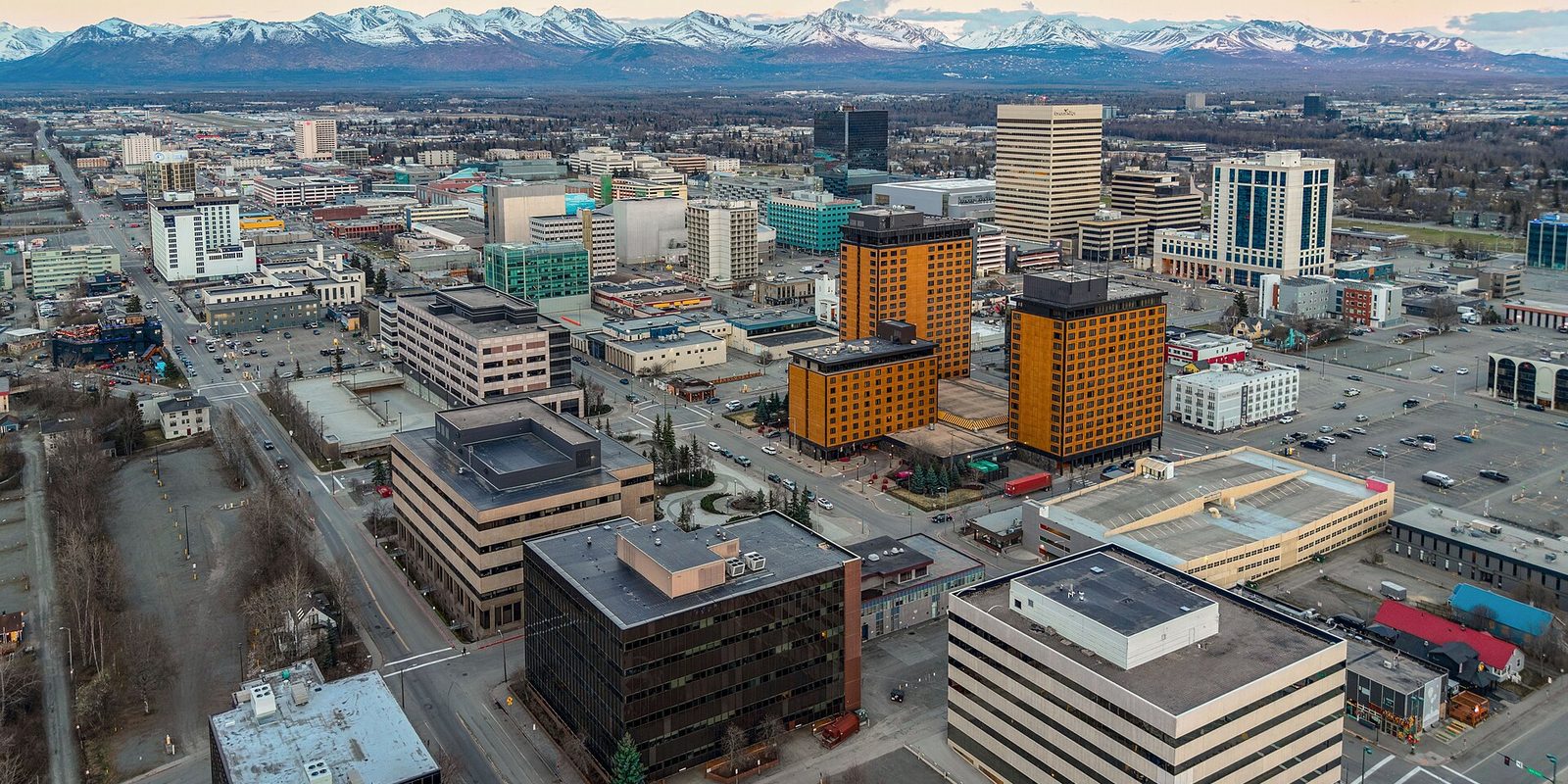
In a place where the winter is long, the dark is longer and the next town is a serious drive away, a website stops being a brochure and becomes the front counter. That is what web hosting in Anchorage, AK has to keep standing, because when a site is unreadable on a cold phone there is often no second way to reach you.
We are not in Anchorage. AldoMedia works from Buffalo, New York, and there is no Alaska office, no local number and nobody who can come to your building. Setup, migration and support all happen remotely, which for hosting is simply how it works.
Most hosting advice is written for places where a customer who cannot load your site drives to your door instead, or calls the next company on the list five minutes away. Neither of those is a given in Alaska. Distances are real, the weather closes the gap between inconvenient and impossible, and for a long stretch of the year people make decisions from a phone indoors rather than by driving around.
That changes what you should care about. A site that is a fraction of a second faster is worth very little. A site that is reachable, readable and correct at eleven at night in February is worth a great deal.
None of that costs more in hosting. It is mostly discipline about what goes on the page and who is allowed to update it.
Test your own form once a month by filling it in yourself. Broken contact forms are the most common way a small business loses a season of enquiries without ever knowing it happened.
Send us the address and we will tell you what your site weighs, how it behaves on a phone with a poor signal, and whether the plan you are paying for is bigger than the site needs. If it is already right, we will say so.
Energy, shipping and tourism all share a shape. They are seasonal, they are schedule driven, and the customer usually needs a specific fact rather than a mood. When does the season start. Do you take that size of load. Are you running this week.
A website built to answer that is a very small, very plain website, and that is a good thing. The trouble starts when a business tries to make it impressive instead. A homepage carrying a video and a dozen full size photographs is slow everywhere, and it is worst on exactly the connections your customers are using.
The other trouble is ownership. Seasonal businesses often have a site somebody built years ago, and nobody currently in the building knows where it lives or who is being billed for it. If that is you, sorting it out is a job with a defined end. There is a walkthrough on the taking over a website page, and it is worth doing before you need to change anything urgently.
Renewals are the quiet risk. A domain that lapses takes the email with it, and getting it back is far harder than keeping it. See domain expiration.

It is the obvious objection and it deserves a straight answer rather than a slogan.
Hosting is not a local service. Your website does not live in Anchorage today and it will not afterwards. It lives in a data centre somewhere else, the same as almost every Alaskan business site does, and moving that data centre closer to you would change the loading time by an amount no human being can perceive.
So what you are actually choosing is not a location. It is who picks up when something is wrong, whether they know your setup, and whether they will tell you when you do not need to spend money. We are in Buffalo, we answer in Eastern time, and we have been building and looking after websites since 1999.
The time difference is the honest downside. Alaska time runs four hours behind us, so our morning is your very early morning and our end of day is your early afternoon. In practice that means we are often working on your site while you sleep and it is done when you wake up, and it means an urgent afternoon problem for you may get answered the next morning. If you need somebody who can be at your desk within the hour, no hosting company is that, ours included.
The genuinely local part of your online presence is your Google Business Profile, and it is free. Get that right before you spend anything on hosting.
Copy, test, switch the domain, keep the mail records intact so nothing goes quiet. You carry on working while it happens, and afterwards there is somebody to call.
Most people who contact us are not launching something new. They are leaving a host that got slow, a builder subscription that quietly doubled, or a designer who stopped replying.
The order of operations matters more than the tools. Copy the site to the new server first. Test it there. Only then point the domain across. Done that way the site never goes dark, because the old server keeps answering until each visitor's connection catches up.
Nearly every migration horror story is the same story. Somebody rebuilds the DNS from scratch on the new host and leaves out the mail records, and the business loses a day or two of enquiries before anyone notices, usually because nothing bounces loudly. Write the existing records down before touching anything. The full sequence is on the website migration page, and the mailbox side is covered under email migration.
A host keeping a copy of your files is not a backup plan. It is a convenience that lives on the same system as the thing it is protecting. Keep a copy somewhere you control, know how old it is, and once a year actually try restoring it. The first time you find out your backup does not work should not be the day you need it.
Add a certificate while you are there. Browsers warn on sites without one, and a warning screen in front of your phone number costs you the call. See SSL certificates.
This is the part hosting companies leave out, so here it is plainly.
Spending more is justified when the site takes bookings or payments, when it carries a genuinely large gallery, or when a day of downtime costs you work that day. The number of visitors, on its own, almost never justifies it.
If you want the whole picture of what a site costs to keep running in a year, including the pieces nobody mentions at signup, that is set out on what a website costs to run. Current pricing for the plans themselves is on the hosting page.
Three kinds of business whose websites do the most work in a cold, spread out economy, each with a page of its own.
Heat is not a comfort item in an Alaskan winter, so a no heat call is an emergency and the site has to load and show a number at the worst possible hour.
HVAC companies hostingHard winters are brutal on vehicles, and a driver stranded in the cold is looking for hours and a phone number on a phone screen, not a photo gallery.
Auto repair shops hostingPeople move in and out of the state for work on tight schedules, and they book from far away, so the website is often the only thing they ever see of you.
Moving companies hostingEvery trade we cover is on hosting by industry, and every city on our locations page.
Skyline photograph: Quintin Soloviev, CC BY 4.0, via Wikimedia Commons. Cropped.
Yes. That warning comes from the browser, not from your host, so everyone sees it on every device. It means the site has no valid certificate, or has one that lapsed. Fixing it is a small job and most plans now include the certificate, so check what you already have before paying for one. A warning screen in front of your phone number costs you the call.
It quietly does. A customer booking a seasonal job from thousands of miles away has no way to check you exist, and an address on your own domain is one of the few signals they can read. It also survives staff changes, because the mailbox belongs to the business rather than to whoever created it. You already own the domain, so adding mail on it is a small change.
Not in any way a person could notice. Distance adds milliseconds and the page weight adds seconds, so the images and scripts decide how it feels. There is no practical Alaska hosting to move to anyway. If the site drags on a weak winter signal, resize the photographs and turn caching on. That is where the time actually goes.
Usually the site. Load it on a different connection and on somebody else's phone first, because a poor signal in a hard winter looks exactly like a bad host. If it is slow everywhere, the cause is nearly always oversized photographs or a heavy homepage. Only if it goes fully unreachable at odd hours, repeatedly, is the host the likely problem.
Tell us what your site runs on and what it has to do when the weather is bad and the phones are quiet. We will tell you what to fix, what to leave alone, and whether the plan you are already on is the right one.
See hosting plans Get help choosing
Or call 716-771-2536. We are in Buffalo, New York, so we answer Eastern time.
