

Website Security
The practical version: what actually gets small business sites compromised, and what stops it.
Read about website security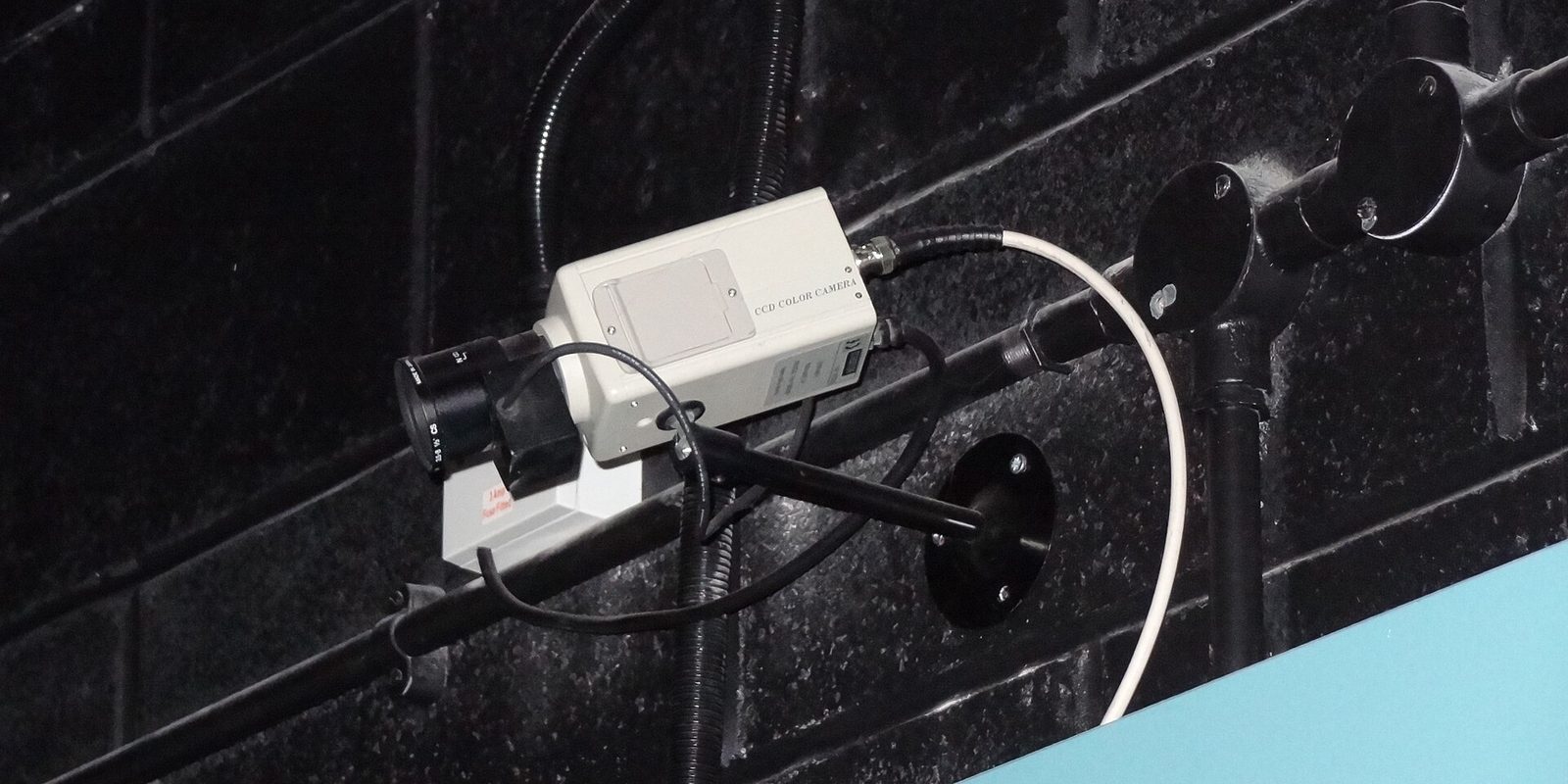
Every trade on this site has a website that can afford to be a bit neglected. Web hosting for security companies is not one of those cases. When you sell security, your own site is a work sample, and the person deciding whether to shortlist you will look at it before they ever call.
Disclosure: AldoMedia is an independent authorized reseller. If you buy through a link on this page we may earn a commission, at no extra cost to you. The hosting platform, the domain registry and the certificate authority are run by upstream providers whose full-time job that is. What AldoMedia does is set the products up properly, support them, and stay accountable for your account.
A facilities manager comparing three guard companies, or a property owner pricing a camera system, does the same thing everyone does now. They open all three websites in tabs. The difference in your industry is what they are qualified to notice.
These are people who buy security for a living, or who have an IT department sitting next to them. A browser warning on your site is not a small aesthetic problem to them. It is a data point about how you run things. So is a site visibly built on software nobody has updated in years, a contact form that posts to nowhere, or a page that still lists a manager who left in 2019.
Here is the uncomfortable version of the thesis. Nothing you write on the homepage about diligence, response times or trained personnel survives contact with a padlock icon that says Not Secure. Copy cannot argue you out of evidence.
It is rarely dramatic. The site was built years ago by someone who has moved on. The certificate lapsed and nobody noticed, because you and your staff clicked past the warning so many times it stopped registering. The software underneath is several versions behind. Then a commercial prospect opens it cold, sees the warning, and quietly moves to the next name on the list. You never learn that you were in the running.
The fix is unglamorous and cheap. A certificate that renews automatically, software that gets updated, and someone whose job it is to look. That is most of what your website security problem is, and it costs far less than the work it loses you.
Send us your address and we will check the certificate, whether it renews on its own, and how far behind the software is. If it all looks fine, we will say so and leave it alone.
Worth separating two things that get blurred together. There is security of the site, meaning nobody defaces it or turns it into a spam relay. And there is the appearance of security, meaning the visible signals a prospect reads in the first few seconds. You need both, and the second one is bought almost entirely by getting the first one right.
Every page on your site should load over HTTPS, with no mixed-content warnings and no expiry surprises. That means the certificate renews on its own and somebody is alerted if it does not. Free automated certificates are the standard now and they are perfectly legitimate. A more expensive certificate does not make your site more encrypted, and it does not display anything a visitor will notice. If someone is selling you an upgraded certificate on the grounds that a security company needs one, that is a sales argument, not a technical one. The SSL page covers what the tiers do and do not change.
If your site runs WordPress, the way it gets compromised is almost never a targeted attack on you. It is an automated scan finding a plugin with a known hole, months after a fix was published. The attacker does not know or care what business you are in. Keeping the core, the theme and the plugins current closes most of that, and deleting the plugins you stopped using closes more. The specifics are on the WordPress security page.
An unmaintained site that has never been broken into is not a secure site. It is a site that has not been found yet. The difference matters most in your trade, because you are the one company on the list who is expected to know that.
Your quote request form probably collects an address, a phone number, and sometimes a description of what someone wants protected and why. That is sensitive information by any reasonable reading. It should travel over HTTPS, it should land somewhere with a real password on it, and it should not sit in a shared mailbox that six people access from personal phones. None of this is complicated. It is just easy to never think about.
If the site does go down or get defaced, the thing that decides whether it is an afternoon or two weeks is whether a working backup exists and whether anyone has tested restoring it. Untested backups fail at exactly the moment you need them. See website backups for what to check.
Security is a licensed trade in most states, and the requirements differ. Guard licensing, alarm installer registration, firearms endorsements where they apply, and the training hours behind them all get checked by serious commercial buyers. Some of them will look you up in a state registry before the first call. Insurance certificates get requested at contract stage as a matter of routine.
So the license page on your site has one job: be accurate and be current. That sounds obvious until you notice how many sites in this trade carry a license number that has since been renewed under a different format, or an insurance figure from a policy that lapsed two renewals ago.
Anything touching licensing, insurance limits or what you are permitted to do in a given jurisdiction should be checked with your own adviser or your state licensing authority before it goes on the page. We can build and host the page. We are not the people to tell you what it is allowed to say.
This is the part of a security website most likely to overpromise, and the part a commercial buyer is most likely to test. Response times, monitoring coverage, whether a signal reaches a person or a queue, whether that person is in your building or in a central station three states away.
Write what is true and specific rather than what sounds impressive and vague. Vague reads as evasive to this audience, and specific claims you can defend are the ones that win a shortlist. If your monitoring is subcontracted to a central station, saying so plainly costs you nothing with a serious buyer. Being caught not saying it costs you the account.
There is also a practical hosting angle. If your site advertises a twenty-four hour line, then the path from your site to that line has to work at three in the morning. That means the phone number is real text a phone can dial, not text inside an image. It means the contact form actually delivers, and that someone checks where it delivers to, because a form silently failing for six weeks is one of the most common problems we find on any site. It means the site itself stays up, which is what shared hosting handles perfectly well for a site this size.
We take over the maintenance a security company cannot afford to forget: the certificate renewing itself, the software staying current, and the quote form proven to actually deliver to a person.
Most security companies serve both, and most websites blur them into one voice that lands with neither. The two buyers arrive with different questions, on different timelines, with different amounts of skepticism.
A homeowner worried about break-ins on their street and a property manager procuring guard coverage for four buildings want almost nothing in common. Give each a route from the homepage rather than a single blended pitch that has to serve both.
Commercial buyers want license details, insurance, references, service areas and a scope of what you cover. They are building a comparison, often for someone above them. Make that easy and you are already ahead of two thirds of your competition.
Residential buyers are usually acting on something that just happened. They want to know you are local, that you are real, and how fast someone can come out. Short pages, clear pricing approach, easy contact.
Two audiences does not mean two websites or two domains. It means two clear sections. Splitting the site splits your search presence and doubles your maintenance for no gain.
One caution about the residential side. Do not publish photographs, addresses or specifics that identify a client's premises and what protects them. It is a bad look, and clients notice. Case studies in this trade should be anonymous unless you have written permission.
There is a large group in this industry for whom the website is close to irrelevant, and it is worth naming rather than pretending otherwise.
If you are an alarm installer who works almost entirely as a subcontractor to one monitoring company, your work comes through that relationship. It comes from the dealer program, from the account manager, from the referrals that follow the contract. It does not come from a search result. A better website will not change that, and neither will a bigger hosting plan.
Spending more starts to make sense when the site is doing real work: you run a customer portal, you take payments or recurring billing on your own domain, you operate across several states with genuinely different service pages, or you are generating enough direct inquiries that an hour of downtime has a number attached. Those are real reasons. Being in the security business is not by itself one of them, and anyone telling you that a security company needs a premium plan on principle is selling, not advising.
AldoMedia has built and maintained websites for Western New York businesses since 1999. We are an independent authorized reseller rather than the operator of the underlying platform, and the most common thing we tell people in this trade is that their plan is already fine and their problem is a lapsed certificate and four years of missed updates.
If you inherited a site nobody can log into, the recovery process is on the taking over a website page. If something is already wrong, start with malware removal. Otherwise call 716-771-2536 or tell us what your site runs on and we will look at it honestly.
Buyers who purchase security for a living generally do, and they are unusually well equipped to spot problems. A browser warning, an obviously outdated site or a contact form that goes nowhere reads to them as a statement about how you operate. You rarely find out you were dropped, which is what makes it worth fixing before it happens rather than after.
No. The encryption is the same regardless of price, and visitors see no visual difference in the browser. A free automated certificate that renews on its own is more reliable in practice than a paid one somebody has to remember to renew. What matters is that it never lapses and that every page loads over HTTPS with no mixed-content warnings.
License and registration numbers are usually worth publishing, because commercial buyers verify them and will find you faster if the format matches the registry. Keep them exactly current, since renewals change formats and lapsed claims are worse than no claims. Check anything about insurance limits or permitted scope with your own adviser or your state licensing authority before it goes live.
Be careful. Publishing photographs, addresses or system details that identify a client's premises and what protects them is a poor look in this trade and clients notice. Anonymous descriptions of the problem and the approach work fine. Anything identifiable should have written permission first.
Three things, in order. Get access back so you can actually change it, get the certificate valid and renewing automatically, and get the underlying software updated. That closes most of what a prospect would notice and most of what an automated scan would exploit. Only after that is it worth talking about redesign or a different plan.
No, and separating them usually hurts. Two domains split your search presence and double the maintenance. What you want is two clear routes on one site, because the two buyers want different things: commercial wants licenses, insurance, scope and references, while residential wants to know you are local and how fast someone comes out.
The practical version: what actually gets small business sites compromised, and what stops it.
Read about website securityWhy the padlock matters more on your site than most, and why paying more for it does not.
Read about SSLWhat a real backup includes, and why an untested one fails on the day you need it.
Read about backupsEvery trade we cover is listed on hosting by industry.
Hero image: KRoock74, CC BY-SA 3.0, via Wikimedia Commons. Cropped.
Tell us what your site runs on and we will check the certificate, the software and the forms. If everything is already right, we will tell you that and leave it alone.
Get Your Web Hosting Plan Get help choosing
Or call 716-771-2536 and tell us what the site has to do. If the plan you are already on is the right one, we will say so.
