

Shared Hosting
The plan type nearly every remodeling site belongs on, and what the higher tiers actually change.
Read about shared hosting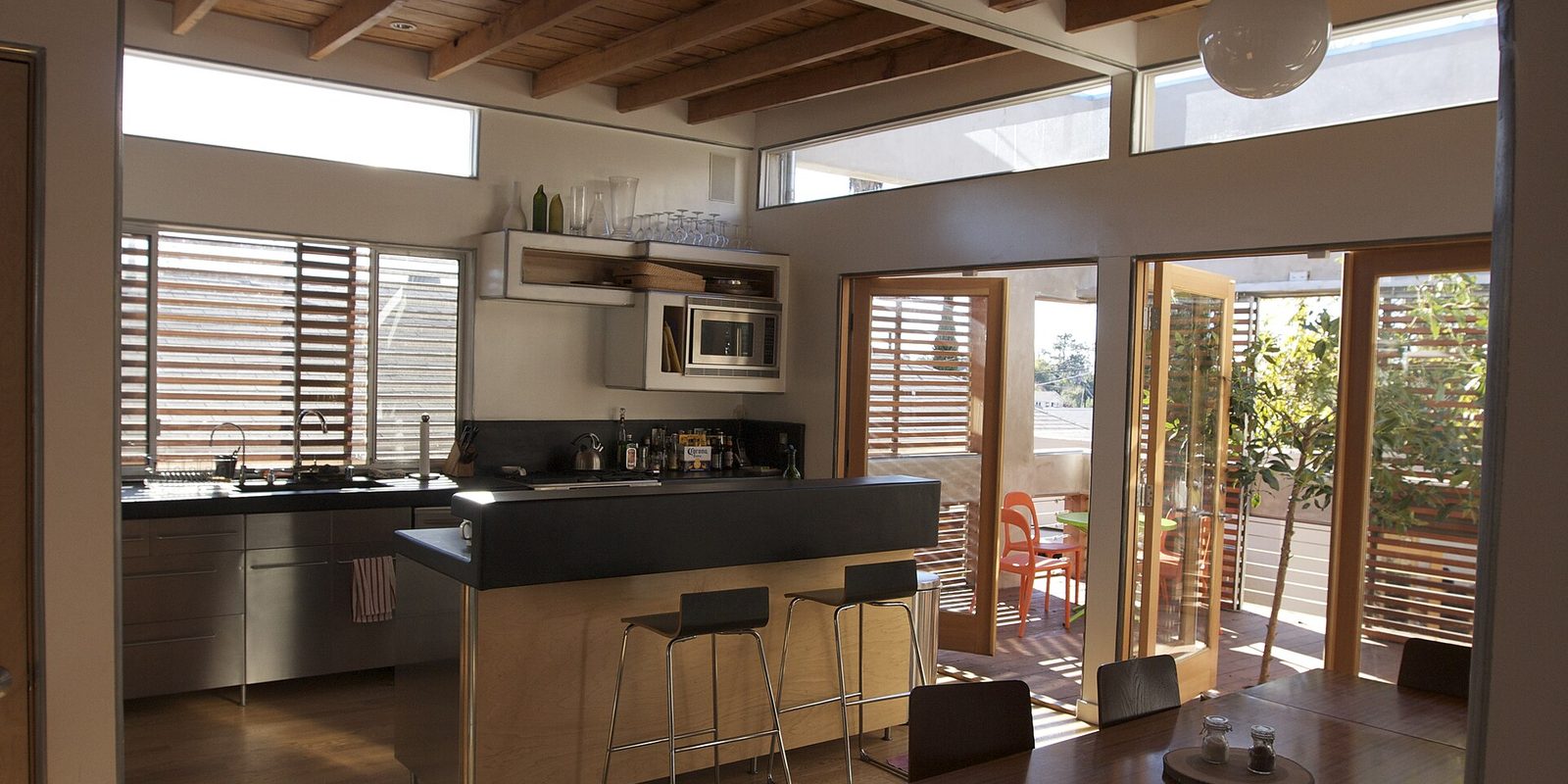
Remodeling is sold on before and after, which is why web hosting for remodeling companies ends up carrying more photographs than most trades do. It is also sold on the homeowner believing you will not wreck the house they are still living in, and that is the half most remodeling websites never mention.
Disclosure: AldoMedia is an independent authorized reseller. If you buy through a link on this page we may earn a commission, at no extra cost to you. The hosting platform, the domain registry and the certificate authority are run by upstream providers whose full-time job that is. What AldoMedia does is set the products up properly, support them, and stay accountable for your account.
No other content in this trade comes close. A homeowner who is thinking about a kitchen does not want to read about your process. They want to see a room that looked like theirs turn into a room they want. Pairs of photographs do that in about two seconds.
Which means the gallery is not decoration on a remodeling site. It is the site. Everything else is there to answer questions the photographs raise.
The one thing that reliably ruins a gallery is uploading photographs straight off the camera. A phone photo is several megabytes. Twenty of them on one page is a site that takes long enough to load that people leave before the after image appears, and no hosting plan fixes that.
Send us your remodeling site and we will look at what the gallery is actually sending to a phone. If the photographs are already sized properly and the plan is fine, we will tell you that.
Here is the gap. Your finished-kitchen photographs are beautiful and they answer the question "can these people do good work". They say nothing at all about the question that is actually keeping the homeowner from calling you.
That question is: what happens to my house, and my family, for the six weeks in between.
People living through a remodel are worried about dust in the rest of the house, whether they will have a working kitchen or bathroom, who has a key, whether strangers will be in the house when they are at work, and whether the finish date you gave them is real. Almost nobody says this out loud on a first call. Almost everybody is thinking it.
One page, plain language, called something like "What it is like to live through the work". Cover dust barriers and how you set them. Cover whether you cut on site or outside. Cover the daily clean-up. Cover what happens to the one bathroom while it is out of service. Cover your hours and who will be in the house.
This is the cheapest competitive advantage available to a remodeler, because your competitors are all still posting finished kitchens. It also does the qualifying for you. The homeowner who reads it and calls has already accepted the disruption, and that is a much easier sale.
If you offer a written schedule, or a single point of contact, or a walkthrough at the end, say so on that page. Those are not marketing claims. They are the specific things anxious buyers are trying to find out.
Somebody looking for a kitchen remodeler and somebody looking for a bathroom remodeler are looking for different things, type different words, and have different budgets in mind. A single page that says "we do kitchens and bathrooms and basements" competes weakly for all three.
Give each of your real service lines its own page, with its own gallery, its own price range talk and its own set of questions answered. Kitchens. Bathrooms. Whole-house. Basements if you do them properly. Additions if that is genuinely your work.
The limit is honesty. Only build a page for work you actually do often and can show photographs of. A thin page about basements with a stock photo on it is worse than no page, because the one visitor who lands on it learns that you do not really do basements.
The most common objection to putting numbers on a service page is that every job is different. That is true and it is also why a range works. "Most of our full bathroom remodels land between X and Y depending on whether the layout moves" filters out the people who were never going to hire you, and costs you nothing but the estimates you did not want.
If you do not want a number on the page, at least name what drives the number. Moving plumbing. Structural changes. Cabinet grade. That is useful to a buyer and it is not a quote.
A lot of remodeling work in this part of the country happens in houses built long before the current rules on lead paint, asbestos and permits. Homeowners in older houses have usually heard something about this and do not know what it means for them.
If you hold certifications for renovation work in older housing, put them on the site in plain words, with what they mean for the homeowner rather than the acronym on its own. If you pull permits as a matter of course, say that too. Those two facts separate you from the operator working out of a truck, and they are the things a nervous buyer is checking for.
Be careful how you word it. Describe what you do and what you carry. Do not explain the regulations themselves or tell a homeowner what the law requires of them, because rules vary and they change. Point them at their own municipality and check anything you plan to publish with your own adviser or your trade association before it goes on the page.
The same caution applies to insurance and license numbers. Publish what is current and true, and put a reminder in your calendar to update the page when a certificate renews. A stale certification date on a website reads worse than none at all.
Resizing four hundred camera originals and rebuilding the gallery as thumbnails is a one-off job, not a monthly cost. We can do it, add the page about living through the work, and leave your plan alone.
Less than you would think, with one exception. A remodeling site is a modest number of pages that change slowly. The exception is that it carries far more photographs than most small business sites, and photographs are where these sites go wrong.
The failure is almost never the plan. It is a gallery of full-size camera files being sent to a phone on a cell connection. Shared hosting handles a remodeling site comfortably, and the entry tier usually covers it. Fix the images and the same plan feels twice as fast.
Nothing on a website needs to be wider than about two thousand pixels. Resize the file on your computer first. Uploading a camera original and letting the page shrink it on screen still sends every byte down the wire.
A photograph saved at moderate compression is a fraction of the size and looks identical on a screen. This one change usually takes a gallery page from painful to instant.
Show a grid of small thumbnails and load the full image only when somebody clicks. Most website software does this already if you use its gallery rather than dropping twenty images into a page.
Your full-resolution job photographs belong in your own storage, not on the web server. The site needs display copies. Back both up. The website backups page covers what a real backup looks like.
Do that and the hosting question mostly disappears. It comes back only if you add something heavy: a design tool visitors interact with, a customer portal, a booking system that lives on your own site rather than linking out to one.
If your work is new construction, stop reading. A new-build buyer is a different person with different fears. They are not worried about dust or about living in the house during the work, because there is no house yet. They are worried about lots, lead times, allowances, draw schedules and what the finished thing will actually look like. Everything on this page about before and after pairs and living through the disruption is aimed at somebody else. Hosting for home builders is the closer fit.
If you are a general contractor taking on whatever comes, commercial fit-outs, service calls, insurance restoration and the occasional kitchen, then your site has a different structure problem. It is about presenting several unrelated service lines without looking like a jack of all trades. That is covered on hosting for general contractors. This page assumes remodeling of occupied homes is the core of what you sell.
Spending more is justified when you run design and build under one roof and want a large searchable portfolio, when you carry a customer portal where clients see selections and progress photographs, or when you have several offices on one site. Volume of jobs on its own is not a reason.
AldoMedia has built and looked after websites for Western New York businesses since 1999, and a remodeler with four hundred camera-original photographs and a slow gallery is familiar work. We are an independent authorized reseller rather than the operator of the underlying platform, which means we have no reason to talk you into a tier you do not need. If the plan you are on is already right, we will say so.
If the site was built by somebody you have lost touch with, and nobody is sure who holds the logins, start with taking over a website. Otherwise call 716-771-2536 or tell us what your site runs on.
Enough to cover each service line you sell, and no filler. Ten strong kitchen pairs beat forty where half are half-finished rooms shot from odd angles. What matters more than quantity is that each pair is the same view, that the before is honest, and that the caption says what the scope actually was. Add a new pair when you finish a job you are proud of rather than trying to publish everything.
Yes, and hardly anybody does. Dust barriers taped up, floor protection down, a tidy site at the end of the day. Those images answer the fear that stops homeowners calling, which is what living in the house during the work will be like. Finished kitchens prove you can build. Job-in-progress photographs prove you will not wreck the place doing it.
If you do real volume in both, yes. They are different searches by different people with different budgets, and one page trying to serve both competes weakly for each. Only build a page for work you do often and can show photographs of. A thin page about a service you rarely do costs you the visitor who lands on it.
Almost never. What slows these sites down is full-size camera files being sent to a phone, not the plan. Resize images to around two thousand pixels wide, save at moderate quality, and load thumbnails first with the full image only on click. Do that and an entry shared plan handles a large gallery without complaint.
Put ranges rather than prices, and name what moves the number: whether plumbing relocates, whether walls come out, cabinet grade. Ranges filter out people who were never going to hire you, which saves you the estimates you did not want. If you will not publish a range, at least publish the factors. It is useful to the buyer and it is not a quote.
Build the site around whichever is the majority of your revenue, then give the other one a single honest page. If remodeling occupied homes is the core, you are in the right place. If new construction is genuinely the bulk of the work, the buyer and their worries are different, and hosting for home builders is the better starting point.
The plan type nearly every remodeling site belongs on, and what the higher tiers actually change.
Read about shared hostingYour job photography is an asset. What a real backup covers, and how to know a restore works.
Read about backupsWhat to do when the site exists, works, and nobody is sure who holds the logins any more.
How a handover worksEvery trade we cover is listed on hosting by industry.
Hero image: Jeremy Levine from Los Angeles, United States, CC BY 2.0, via Wikimedia Commons. Cropped.
Tell us what your remodeling site runs on and we will tell you whether the plan is the problem or the photographs are. Usually it is the photographs, and we will say so.
Get Your Web Hosting Plan Get help choosing
Or call 716-771-2536 and tell us what the site has to do. If the plan you are already on is the right one, we will say so.
