

Business Email
Separate addresses for maintenance, leasing and owners, at a domain you control.
Read about business email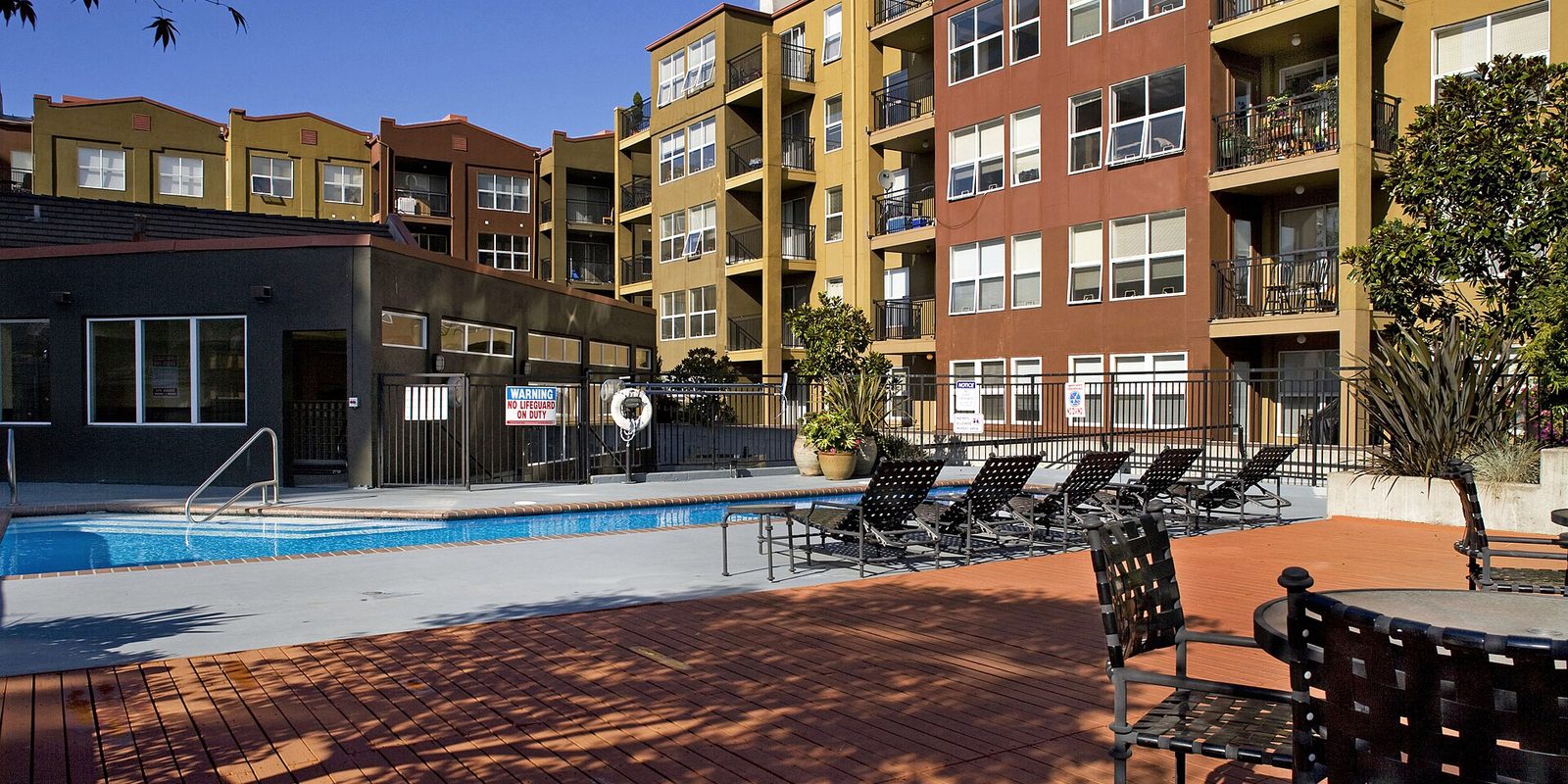
You serve two audiences who must never see each other's information. Tenants on one side, owners on the other. Almost every problem with web hosting for property management companies, and every one that turns into a phone call you did not want, comes from the two of them getting mixed together.
Disclosure: AldoMedia is an independent authorized reseller. If you buy through a link on this page we may earn a commission, at no extra cost to you. The hosting platform, the domain registry and the certificate authority are run by upstream providers whose full-time job that is. What AldoMedia does is set the products up properly, support them, and stay accountable for your account.
A tenant and an owner want opposite things from you, and they arrive at your website looking for opposite things. A tenant wants to pay rent, report a leak, or find out whether the unit on Elmwood is still available. An owner wants last month's statement, a copy of a lease, and to know why the roof invoice was what it was.
Most property management sites treat that as one audience. There is a homepage, a listings page, a contact form, and everything funnels into the same place. That works right up until it does not, and when it fails it fails in a way clients remember.
You do not need a large or expensive platform to do this. You need the two paths to be genuinely separate rather than two menu items pointing at the same inbox.
Tell us how your tenant and owner paths run today and we will show you where they still share an inbox. If the setup you have already keeps them apart, we will say so.
Here is the failure, stated plainly. Maintenance requests, owner statements and tenant details all arrive at info@ or at whoever answers the phone. Somebody replies to the wrong thread, or forwards a message with the earlier reply still attached at the bottom, and an owner statement or a tenant's application details go to a person who should never have seen them.
Nobody was careless. The mailbox was built that way. When one address receives everything, sorting it correctly is a human task performed under time pressure, every day, forever. It only has to fail once.
Most of this lives in business email rather than in your hosting plan. If your team already works in Outlook and calendars, Microsoft 365 gives you shared mailboxes so maintenance@ can be worked by three people without anybody sharing a password.
Sharing one login to a single mailbox is the version of this that feels tidy and is not. You lose any record of who replied, and offboarding somebody means changing a password everybody uses.
The furnace goes out at eleven at night. The tenant is not going to wait until Monday to tell somebody, and if your website does not give them a way to log it, they will call, text, and message you on Facebook until one of them lands.
A maintenance form on your own site is the cheapest fix in this whole trade. It is also the one most likely to be built badly, because the temptation is to make it a plain contact form with a subject line.
Address and unit number as required fields. Half the follow-up calls in maintenance exist because a request said "my kitchen sink" and nothing else.
One photo of the leak decides whether this is a plumber tonight or a note for the next visit. File uploads need a little more room than a plain form, which is worth knowing before you build it, though it is still well within an ordinary shared plan.
Straight to maintenance@, with an automatic copy back to the tenant so they have proof it was received. That copy prevents a surprising number of arguments.
One line on the confirmation page about emergency versus routine, and what counts as an emergency. Tenants escalate because nobody told them not to.
No gas leak should be reported through a web form. Put the phone number above the form, not below it.
That form and its attachments are the one part of your site that carries genuinely sensitive information, so it needs to be posted over a secure connection. An SSL certificate is not optional on any page that collects a tenant's name and address.
Emailing a PDF statement to an owner feels normal because everybody has always done it. It has two problems that get worse as you grow.
The first is that email is a copy machine. Once sent, that statement exists on your server, their phone, their laptop, their spouse's inbox, and anywhere it was forwarded. You cannot correct it, and you cannot pull it back when it goes to the wrong Bill.
The second is that email is where the address gets typed by hand. Autocomplete suggests a similar name and somebody accepts it without looking. This is the single most common way one client's numbers reach another client.
If you use a management platform that already handles owner portals, use it. There is no reason to rebuild that yourself. Your website's job is then to be the front door that sends owners to it, and to make sure the public side of the site never accidentally exposes a document folder.
AldoMedia can split maintenance, leasing and owner addresses at your own domain, send the maintenance form somewhere other than the general inbox with a copy back to the tenant, and leave listings editable by your leasing person.
Fair housing rules govern the language you can use in a rental listing, and they apply to your website exactly as they apply to a printed advertisement. The risk is rarely deliberate. It sits in phrases that sound friendly and describe the tenant rather than the property.
"Perfect for a young professional" describes a person. "Quiet building, no children" describes a person. "Walking distance to St Mary's" edges toward describing a person. The safe habit is simple: describe the unit, the building and the terms, and nothing about who you imagine living there.
This is worth mentioning on a hosting page for one reason. Old listings do not disappear. A rented unit whose page is still live, or a stale listing that a search engine still shows, is a published advertisement carrying whatever wording you used two years ago.
This is a general description of a real problem, not legal advice. Check your own wording and your own process with your attorney or your state association.
A landlord managing a couple of their own units does not need this infrastructure, and being sold it is a waste of money.
If you own two duplexes, you know every tenant by name, and you fill a vacancy with one listing on a rental site plus word of mouth, you do not have two audiences. You have four people and a phone. What you need is a working email address at a domain you control and somewhere to keep documents. That is it.
The point where this changes is not a unit count exactly, but it is close. When you manage property for people who are not you, the separation stops being tidiness and becomes the actual service you are selling. When a maintenance request can reach somebody other than you, it needs to be routed. When a statement leaves your hands, it needs a home that is not an inbox.
Somewhere between those two states you also stop being able to hold everything in your head, and the site has to do some of the work. Spend then, not before.
AldoMedia has built and looked after websites for Western New York businesses since 1999. We are an independent authorized reseller rather than the operator of the underlying platform, which means we have no reason to sell you a bigger plan than the one you need, and we will say when the one you have is already right.
Most of the work in this trade is not hosting at all. It is getting the mailboxes separated, getting the maintenance form to route somewhere sensible, and making sure the listings page is something your leasing person can edit without calling anybody. If you are inheriting a site somebody else built, the taking over a website page covers what to get hold of first.
Call 716-771-2536 or tell us how many doors you manage and what your site runs on.
Stop sending statements by email. Put them behind a login, either on your own site or in your management software, and send only a notification that a new one is ready, with no figures and no attachment. The mistake almost always happens either through autocomplete choosing the wrong similar name, or through somebody forwarding a chain with an earlier reply still attached at the bottom.
Once you manage property for people other than yourself, yes. One shared info@ address means sorting is a human task performed under pressure every day, and it only has to fail once. Separate addresses at your own domain route each type of message to the person who owns it. Shared mailboxes let several people work maintenance@ without anybody sharing a password.
Usually through your management software rather than something built into the site. Handling card or bank details yourself brings obligations you do not want, and the software you already use for accounting almost certainly does it better. Your website's job is to be the obvious front door to that, so tenants stop asking you where to pay.
Address and unit number as required fields, a description, and a photograph. The unit number is the one people leave off, and it causes most of the follow-up calls. Send it to a maintenance address rather than the general inbox, copy the tenant so they have proof it was received, and put an emergency phone number above the form. No gas leak should ever be reported through a web form.
They can. Fair housing rules apply to your website the way they apply to a printed advertisement, and a listing page for a unit rented two years ago is still a published advertisement carrying whatever wording you used then. Describe the property and the terms rather than the person you imagine living there, and have a process for taking listings down as well as putting them up. Check your own wording with your attorney or your state association.
Less than most are sold. A public site with listings, a maintenance form and a few pages is light, and an entry shared plan handles it. The things that push you higher are file uploads on the maintenance form and any documents you host yourself. Neither of those is a reason for a large plan on its own, so ask what a bigger tier is buying you before paying for it.
Separate addresses for maintenance, leasing and owners, at a domain you control.
Read about business emailShared mailboxes so three people can work maintenance@ without sharing a password.
See what 365 addsIf leases and statements live on your site, know how far back a restore really goes.
How backups workEvery trade we cover is listed on hosting by industry.
Hero image: Architecturist, CC BY-SA 3.0, via Wikimedia Commons. Cropped.
Tell us how your mail is set up now and we will show you where the two audiences currently overlap. If your plan is already the right one, we will say so.
Get Your Web Hosting Plan Get help choosing
Or call 716-771-2536 and tell us what the site has to do. If the plan you are already on is the right one, we will say so.
