

Shared Hosting
The plan type nearly every independent jewelry site belongs on, and what the tiers actually change.
Read about shared hosting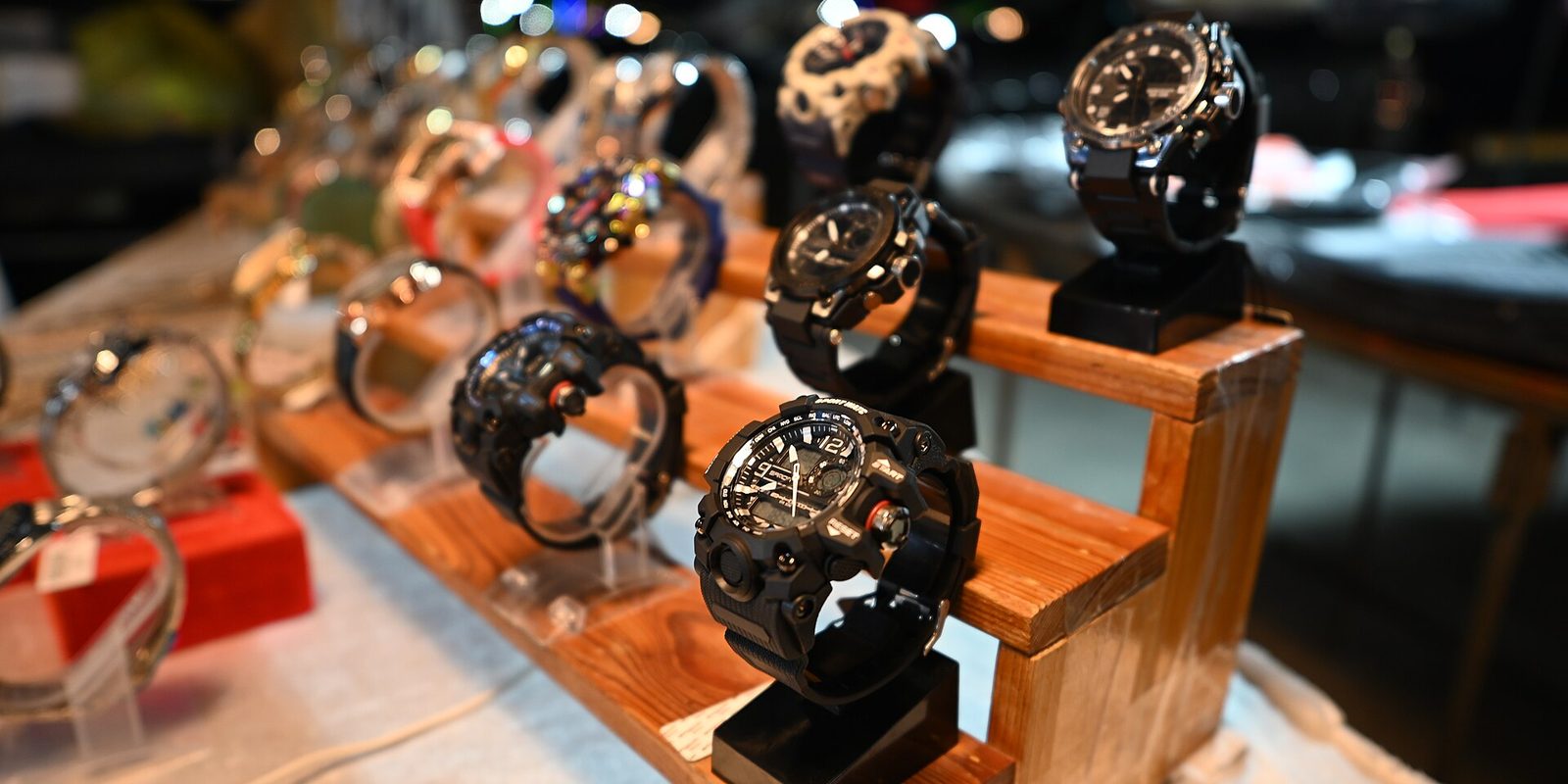
A jewelry website is asking somebody to spend four thousand dollars on something they can only see through a screen. So web hosting for jewelers is judged on one thing before anything else: whether that photograph does its job. Most of the time it does not, because it was shrunk and compressed on the way to being published.
Disclosure: AldoMedia is an independent authorized reseller. If you buy through a link on this page we may earn a commission, at no extra cost to you. The hosting platform, the domain registry and the certificate authority are run by upstream providers whose full-time job that is. What AldoMedia does is set the products up properly, support them, and stay accountable for your account.
Nobody buys a ring because of the paragraph next to it. They buy because they looked at the stone, looked at the setting, looked at the way light sits in it, and decided it was worth what you are asking. That decision happens entirely inside an image.
Which is why the standard failure in this trade is so expensive. A jeweler pays for good photography, or shoots it carefully themselves, and then the images go through a website that resizes everything to a modest width and compresses it hard. What comes out the other end is a picture of a ring. It is no longer a picture of that ring.
You can see the damage most clearly in three places: the facets of the stone lose their edges and turn into a gray smudge, the prongs and the gallery under the setting flatten into a single shape, and any engraving or milgrain disappears completely. Those are exactly the details that separate your four thousand dollar piece from a nine hundred dollar one that looks similar at thumbnail size.
A quick test. Open a product page on your phone, tap the main image, and try to zoom in on the stone. If it goes soft immediately, the file being served is smaller than the display it is being viewed on.
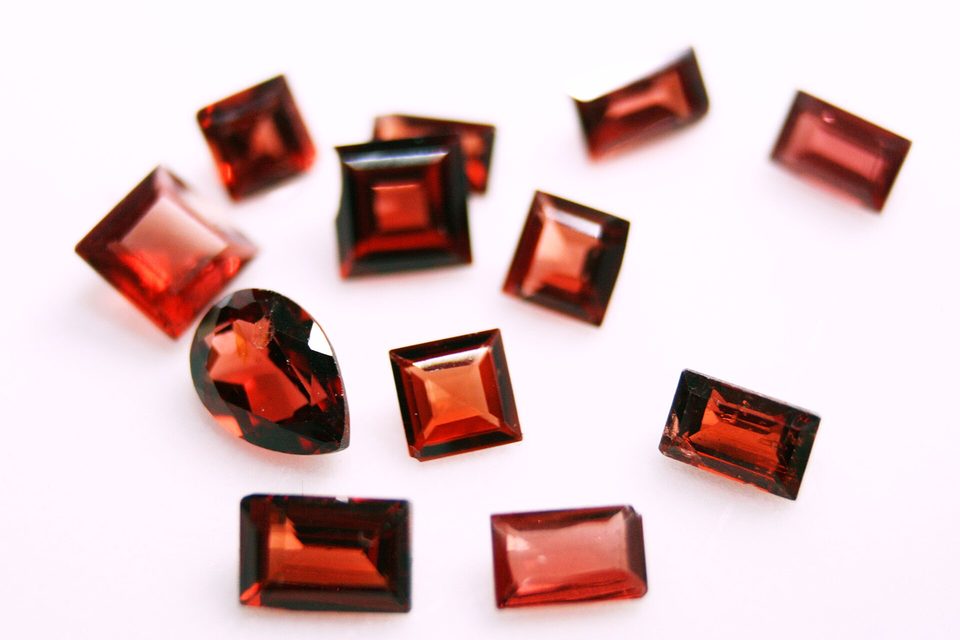
This is not a hosting problem in the way people expect. Nobody's server is refusing to serve a large photograph. The image is being reduced somewhere between your camera and the page, usually by the website software doing what it thinks is helpful, and nobody has ever checked what came out.
Send us a link to a product page and we will tell you what width that photograph is actually being served at and how hard it was compressed. If nothing needs changing, we will say so.
The obvious response is to publish enormous files, and that is genuinely a bad idea. A page carrying twelve unoptimized photographs will crawl on a phone, and a slow page loses the buyer before the photograph ever gets a chance. The answer is not bigger or smaller. It is a small file to look at and a large file to inspect.
Whatever your camera gives you, keep it. The original is the thing you will regret losing, and re-shooting a piece you have already sold is not possible. Keep the originals somewhere off the website entirely.
A modest file for the grid and the initial view, and a genuinely large one behind the zoom or the tap. Most modern site software can do this. What it usually will not do is guess the right maximum, so somebody has to set it.
Default settings are tuned for photographs of faces and landscapes, where a little softness is invisible. On a faceted stone it is not invisible. Back the compression off on product images specifically, even if you leave it alone everywhere else.
Not on the retouching monitor. Most of your traffic is a phone held at arm's length. If the setting reads clearly there, you are done.
The hosting part of this is undramatic. Photographs are small compared with the storage on an ordinary plan, and a jewelry site with a few hundred pieces on it is not a heavy site. Shared hosting covers it. If a page feels slow, it is nearly always because the large versions are being loaded up front instead of on demand, and that is a setting rather than a plan.
Ask most independent jewelers where the good work comes from and the answer is custom and bespoke pieces, engagement rings especially. It is the highest value, the least price-shopped, and the least likely to be won by a national chain. It is also, on most jewelry websites, buried behind a gallery of stock the shop happens to have in the case.
Somebody who wants a ring designed is not browsing. They are looking for evidence that you have done this before, and a way to start a conversation without committing to anything. Two things serve that, and neither is a product listing.
The practical hosting point here is small but worth making. That inquiry form sends email, and inquiry email is the most valuable email your business receives. If it is arriving at a free address, or a form that quietly stopped sending three months ago, you will not notice until you count a slow quarter. A form on your own domain with business email behind it is a fifteen minute job and it is the one you check monthly.
There is a whole side of a jewelry business that never appears on the website, because it does not feel like something you would put there. Ring sizing. Chain repair. Restringing pearls. Watch batteries. Appraisals for insurance. Stone replacement after somebody caught a prong on a coat.
Those are searched for by name, locally, by people who are not thinking about buying anything. Someone with a snapped chain types the repair, the material and the town, and whoever has a page about it gets the visit. If your site only sells, that search goes to somebody else, and so does the customer who was going to buy an anniversary gift from whoever fixed the chain.
One page per service is enough. Say what you do, say roughly how long it takes, say whether they need an appointment, and say plainly if you decline certain work. Turning down work in writing saves you more time than it costs.
Appraisals deserve their own care. If you write about valuations for insurance, describe what you provide and what the customer's insurer will want, and point people at their own insurer or adviser for what the policy actually requires. Do not make promises about coverage on their behalf.
We will set the published sizes, ease the compression on product images, and make sure your custom inquiry form is still reaching an address you read. Call 716-771-2536 or tell us what your site runs on.
Jewelry customers think about safety in a way that customers of most other shops do not. Some of that is about the transaction, and some of it is about being seen. It shows up in small decisions on the website that are easy to get wrong.
The transaction part is straightforward. The site should be served over HTTPS with a valid SSL certificate, and there should be no browser warning of any kind at any point in the journey. A warning on a page where somebody is contemplating a large purchase ends the visit instantly, and they will not tell you why they left. Payments themselves are best handled by a processor rather than by anything sitting on your own server, which keeps card details out of your hands entirely.
The discretion part is more particular to this trade.
None of that requires a security product. It requires a certificate that is valid, a working backup so a broken site is an inconvenience rather than a disaster, and some judgment about what goes on the page.
If you sell costume and fashion jewelry, most of the above does not apply to you, and following it would cost you money for nothing.
At that price point the buyer is not inspecting a stone. They are looking at color, shape and whether it goes with something. A clean, quick photograph at ordinary web quality does the job, and the effort you would spend on high resolution zoom is better spent on having more items listed, having sizes and materials stated clearly, and making checkout painless. That is an ordinary retail website, and the clothing and boutique retail guidance fits your business far better than this page does.
Fine jewelers should also resist most of what gets upsold to them. You do not need a managed plan for a site that changes when a new piece comes in. You do not need extra storage for a few hundred photographs. Where spending more is genuinely justified: you sell online at volume rather than using the site to bring people into the shop, you carry a large and frequently changing catalog, or you have a second location on the same site. Piece value is not a reason to buy a bigger plan. It is a reason to publish better photographs.
AldoMedia has been building and looking after websites for Western New York businesses since 1999, and a jewelry site where the product photography has been quietly ruined on the way to the page is a familiar job. We are an independent authorized reseller rather than the operator of the underlying platform, which means we have no reason to talk you into a tier you do not need, and we will say so when the plan you are on is already right.
If you are taking over a site somebody else built and nobody can tell you where the original photographs live, start with taking over a website. Otherwise, call 716-771-2536 or tell us what your site runs on.
Because something between the two is resizing and compressing them, almost always the website software doing it automatically at whatever default it shipped with. The fix is to raise the maximum published width and ease off the compression on product images specifically, then serve a small file in the grid and a large one behind the zoom. Keep your originals somewhere off the website, because re-shooting a sold piece is not an option.
No. Photographs are small compared with the storage on an ordinary plan, and a few hundred pieces is not a heavy site. Shared hosting handles it. If a gallery page feels slow, the usual cause is that the large versions are loading up front instead of when somebody taps to zoom, which is a setting rather than a plan.
Its own page, clearly. Somebody who wants a ring designed is looking for evidence you have done it before and a way to start a conversation, not a product they can add to a cart. Show finished custom pieces as work you made, say what the customer asked for, give a rough sense of the process and timeline, and make clear you will reset a stone they already own. Inherited stones bring in a lot of this work.
Yes, because people search for them by name and locally, and the customer who brings you a snapped chain often comes back for a gift. One short page each is enough. Say what you do, roughly how long it takes, whether they need an appointment, and what you decline. For appraisals, describe what you provide and point people at their own insurer or adviser for what their policy requires.
Only if you actually sell online at volume. Many independent jewelers use the site to bring people into the shop, and for them a good inquiry form and a phone number outperform a cart. If you do sell online, let a payment processor handle the card details rather than anything on your own server, and make sure your certificate is valid so nobody meets a browser warning halfway through.
Ask first, every time. An engagement ring is frequently still a secret when the photograph is ready, and publishing it early has caused real problems. The same caution applies to photographs that show your safe, your alarm panel or your back room. A shop full of small valuable things should be thoughtful about what it puts online.
The plan type nearly every independent jewelry site belongs on, and what the tiers actually change.
Read about shared hostingWhy a browser warning ends a high value purchase instantly, and what a valid certificate involves.
Read about SSLProduct photography you cannot re-shoot is the reason a working backup matters here.
How backups workEvery trade we cover is listed on hosting by industry.
Hero image: PattayaPatrol, CC BY-SA 4.0, via Wikimedia Commons. Cropped.
Tell us what your jewelry site runs on and we will look at what size the product images are being served at. If the plan you are paying for is already the right one, we will tell you that too.
Get Your Web Hosting Plan Get help choosing
Or call 716-771-2536 and tell us what the site has to do. If the plan you are already on is the right one, we will say so.
