

Shared Hosting
The plan type nearly every design portfolio belongs on, and what the tiers actually change.
Read about shared hosting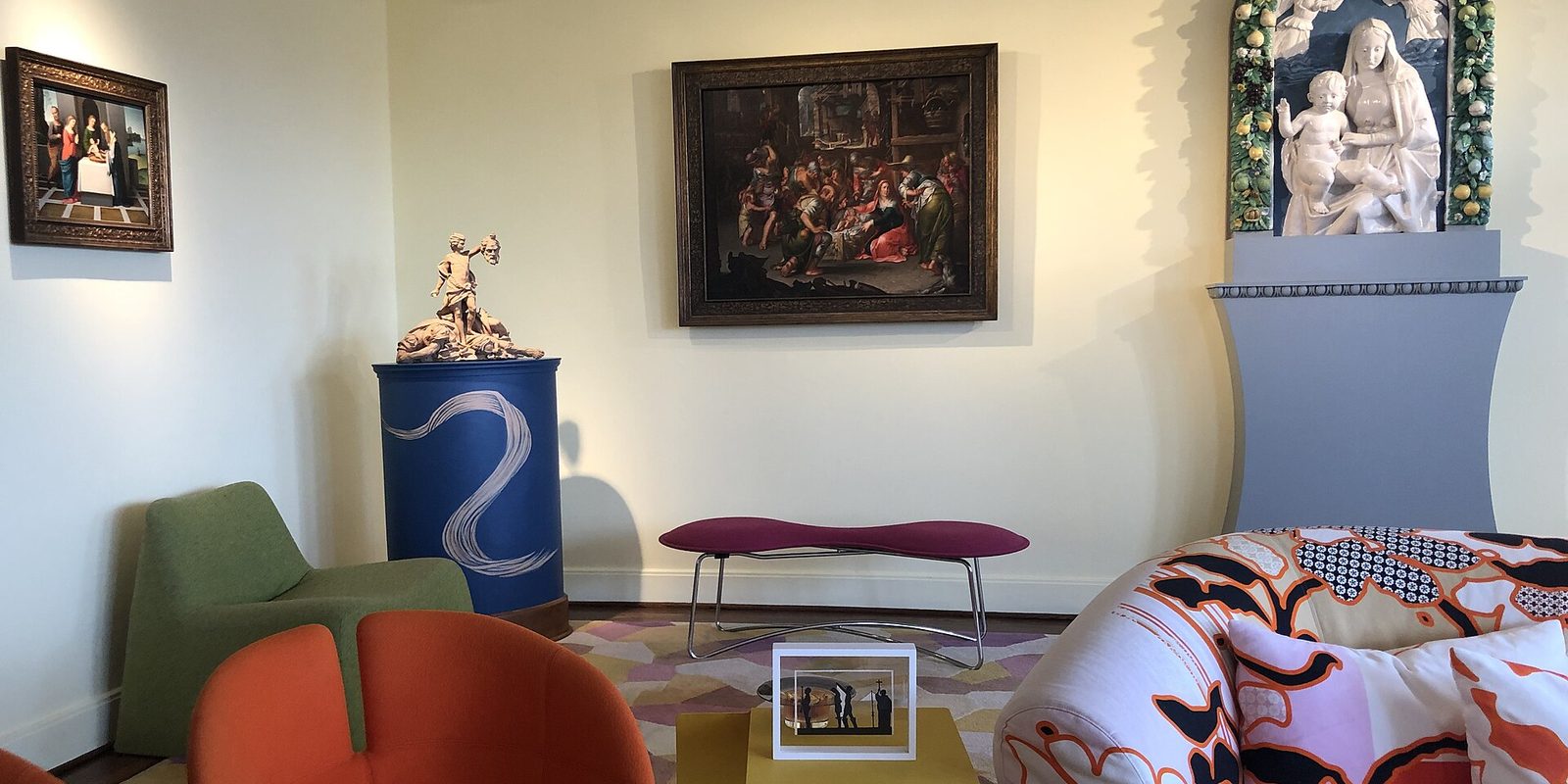
Your portfolio is the business, and it is also the heaviest thing you will ever put on the internet if nobody is minding the photographs. That makes web hosting for interior designers a question of image weight. Almost every slow design site we are asked about turns out to be forty magazine-quality images published at camera size.
Disclosure: AldoMedia is an independent authorized reseller. If you buy through a link on this page we may earn a commission, at no extra cost to you. The hosting platform, the domain registry and the certificate authority are run by upstream providers whose full-time job that is. What AldoMedia does is set the products up properly, support them, and stay accountable for your account.
A design website sells one thing, which is the evidence that you can do this. Nobody hires you off a services list. They scroll a room, then another room, and somewhere in there they decide. So the photography has to be good, and it has to actually arrive.
Here is where it goes wrong. Your photographer sends you the finished set, and those files are enormous by design, because they were made for print and for you to crop from. They get uploaded exactly as delivered. Now a single project page is carrying more data than a feature film trailer, and the visitor on a phone in a parking lot sees a white screen for eight seconds and leaves.
The cruel part is that nothing looks broken. On your office machine, on the fast connection, the site is fine. You never see the version your prospective client sees.
You do not have to trade one for the other, and this is the single most useful thing to understand about running a portfolio. An image that fills a laptop screen beautifully does not need to be six thousand pixels wide. Saved at a sensible width and a sensible compression level, the same photograph looks identical to a human eye and weighs a small fraction of what it did.

If you take nothing else from this page: the fix for a slow portfolio is almost never a bigger hosting plan. It is resizing the photographs. A larger plan makes a heavy page arrive heavy, slightly faster.
Send us your portfolio address and we will tell you which images are oversized and what the site weighs on a phone. If resizing the photographs is the whole fix, that is what we will tell you.
Less than you would think, once the images are under control. A design portfolio is a modest number of pages that change a few times a year. There is no checkout, no logins, no inventory. Shared hosting is the right product, and the entry tier covers most practices comfortably.
The two things worth caring about are storage and delivery. Storage matters because a portfolio grows, and because designers tend to keep every version of every project on the server long after the site stopped linking to them. Delivery matters because your visitors are not all in Buffalo, and a large image traveling a long way is slow in a way that has nothing to do with your plan.
If you have outgrown a tier it is usually visible as a specific symptom, not a vague feeling. Uploads failing partway. The site slowing down only when several people are on it at once. A media library you cannot add to. Absent those, spending more is buying reassurance rather than performance.
Slow portfolios lose people quietly. There is no error, no bounce message, no complaint. Somebody clicked, waited, and went back to the search results, and you will never know they existed. That is why this is worth an afternoon of attention even though nothing appears to be wrong.
The default design portfolio is a single page called Portfolio with every good photograph you own on it. It is the wrong shape for two separate reasons, and fixing it fixes the speed problem at the same time.
First, it is a wall. A prospective client cannot tell whether the modern lake house and the traditional dining room came from the same job, the same year, or the same taste. Mixed together, forty rooms read as forty unrelated pictures. Broken into projects, twelve rooms read as one coherent house you designed, which is what they are trying to evaluate.
Second, one page carrying every image is one page carrying every image. Split into projects, each page loads a dozen photographs instead of a hundred, and the visitor only pays for the one they asked for.
One residence, one commercial fit-out, one renovation. A short title, the location in general terms, and a sentence about what the client wanted.
What the brief was, what you changed, what the constraint was. This is the part search engines can read, and the part that separates you from a photo account.
Arrive, move through, end on the detail you are proudest of. A gallery in upload order is a gallery in no order.
One well-sized lead image per project linking through. The index stays light and gives the visitor a decision to make instead of a wall to scroll.
A file called kitchen-renovation-elmwood.jpg is worth more than IMG_4471.jpg, and it takes no extra work if you do it at export.
This structure also makes the site easier to keep current. Finishing a job means adding one page, not restructuring a gallery.
This one catches people, and it is worth sorting out before a portfolio goes up rather than after somebody writes to you about it.
In most arrangements the photographer owns the copyright in the photographs unless the agreement says otherwise. Paying the invoice buys you a license to use them, and the scope of that license is whatever the paperwork says. Sometimes that is broad. Sometimes it is narrower than the designer assumed, covering your own website but not a magazine submission, or covering a period of years rather than forever.
There is a second permission on top of it. The rooms are somebody's home. Clients vary enormously in how they feel about their bedroom appearing on a website, and a homeowner who was delighted at handover can feel differently once the house is on the market or the marriage ended. Get it in writing at the end of the project when goodwill is highest, and be specific about whether their name and the street can be mentioned.
None of this is legal advice and we are not qualified to give it. Contracts and image licenses vary, so check the specifics with your own adviser. What we can tell you is that the practical failure is almost always the same one: nobody asked, and then somebody minded.
We resize the photography, rebuild the portfolio as a page per project, and move the site if it needs moving. Call 716-771-2536 and we will look at what you have now.
Plenty of designers serve both a retail client, meaning the homeowner writing the check, and a trade audience, meaning builders, architects, showrooms and other designers who send work your way. They want completely different things from your website and they do not mix well on one page.
The homeowner wants to know what it will feel like and roughly what it costs to work with you. The trade contact wants to know what you handle, how you invoice, what your lead time is, and whether you are easy to coordinate with on site. Written to the homeowner, a trade page sounds vague. Written to the trade, a homeowner page sounds cold.
The simplest fix is a separate page for the trade audience, linked from the footer rather than shouted about in the main navigation, saying plainly how you work with them. It also gives you something to send when a contractor asks what you do, which is the most common way that relationship starts.
If you send project details, price lists or specifications to trade contacts by email, that email should be at your own domain rather than a free account. It reads as a business, and it is the address people search their inbox for later. There is more on that on the business email page.
If you work exclusively through a showroom that markets for you, and your projects arrive because the showroom sends them, your own portfolio site is a lower priority than almost anything else on your list. Put up something honest and small. A page saying who you are, a handful of your best rooms, and how to reach you. Do not spend a season building the definitive site for an audience that is already being handed to you.
That situation does change, and it usually changes suddenly. If the showroom relationship ends, or you start taking direct inquiries, that is when the portfolio earns its keep. It is a reason to own the domain and keep the small site alive rather than a reason to build the big one now.
Where spending more is genuinely justified: you sell products or take deposits through the site, you run a client area with logins for drawings and approvals, or you have a decade of work online and the media library really has grown past the tier. Those are real. A feeling that a design business should have impressive hosting is not.
AldoMedia has been building and looking after websites for Western New York businesses since 1999, and portfolio sites sunk by their own photographs are familiar work. We are an independent authorized reseller rather than the operator of the underlying platform, which means we have no reason to sell you a tier you do not need, and we will say so when the plan you are already on is the right one.
If your site runs on WordPress, which many design portfolios do, the division of responsibility for updates and plugins is set out on the WordPress hosting page. If you are moving an existing portfolio to a new host, the order of operations that keeps your email working through the change is on the website migration page. Call 716-771-2536 or tell us what your site runs on and we will look at it.
Nearly always no. The usual cause is photographs uploaded at the size the photographer delivered them, which is made for print. Export them at roughly the largest size they will be displayed, use a modern image format, and load below-the-fold images only on scroll. That is a bigger improvement than any plan upgrade, and it costs nothing per month.
Split it. One page with every photograph on it reads as a wall of unrelated rooms and loads like one, because it is loading everything for every visitor. A page per project shows a client one coherent house instead of forty pictures, gives you somewhere to write about the brief, and means each page carries a dozen images rather than a hundred.
You should ask, in writing, and get it at handover while everyone is happy. There are two separate permissions involved: the photographer usually owns the copyright and your license covers only what the agreement says, and the homeowner has a view about their house being online at all. Rules and contracts vary, so check the specifics with your own adviser. The practical failure is almost always that nobody asked.
Less than most designers expect, once images are exported at web sizes rather than uploaded as delivered. What fills a plan is usually years of full-resolution originals sitting in a media library after the site stopped linking to them. Keep the archive somewhere else and the website stays small. If uploads start failing or the library will not accept more, that is a real signal to look at your tier.
Not an elaborate one. Put up something small and honest, a few of your best rooms and how to reach you, and leave it there. What matters is owning the domain, because the day the showroom relationship changes is the day you will want somewhere of your own to point people to, and that is a bad week to be starting from nothing.
Give the trade audience its own page, linked from the footer. Builders, architects and showrooms want to know what you handle, how you invoice and how you coordinate on site. Homeowners want to know what it will feel like to work with you. One page trying to do both ends up vague for everybody.
The plan type nearly every design portfolio belongs on, and what the tiers actually change.
Read about shared hostingYears of project pages and photography are hard to rebuild from memory. What a real backup covers.
Read about backupsMost design portfolios run on WordPress. Who is responsible for the updates, and when a plain plan is enough.
Read about WordPress hostingEvery trade we cover is listed on hosting by industry.
Hero image: Rachel Kaminsky, CC BY-SA 4.0, via Wikimedia Commons. Cropped.
Send us your site and we will tell you what is making it heavy and whether the plan you are paying for is the right one. If it already is, we will say so.
Get Your Web Hosting Plan Get help choosing
Or call 716-771-2536 and tell us what the site has to do. If the plan you are already on is the right one, we will say so.
