
Shared Hosting
The plan type nearly every salon site belongs on, and what moving up a tier actually changes.
Read about shared hosting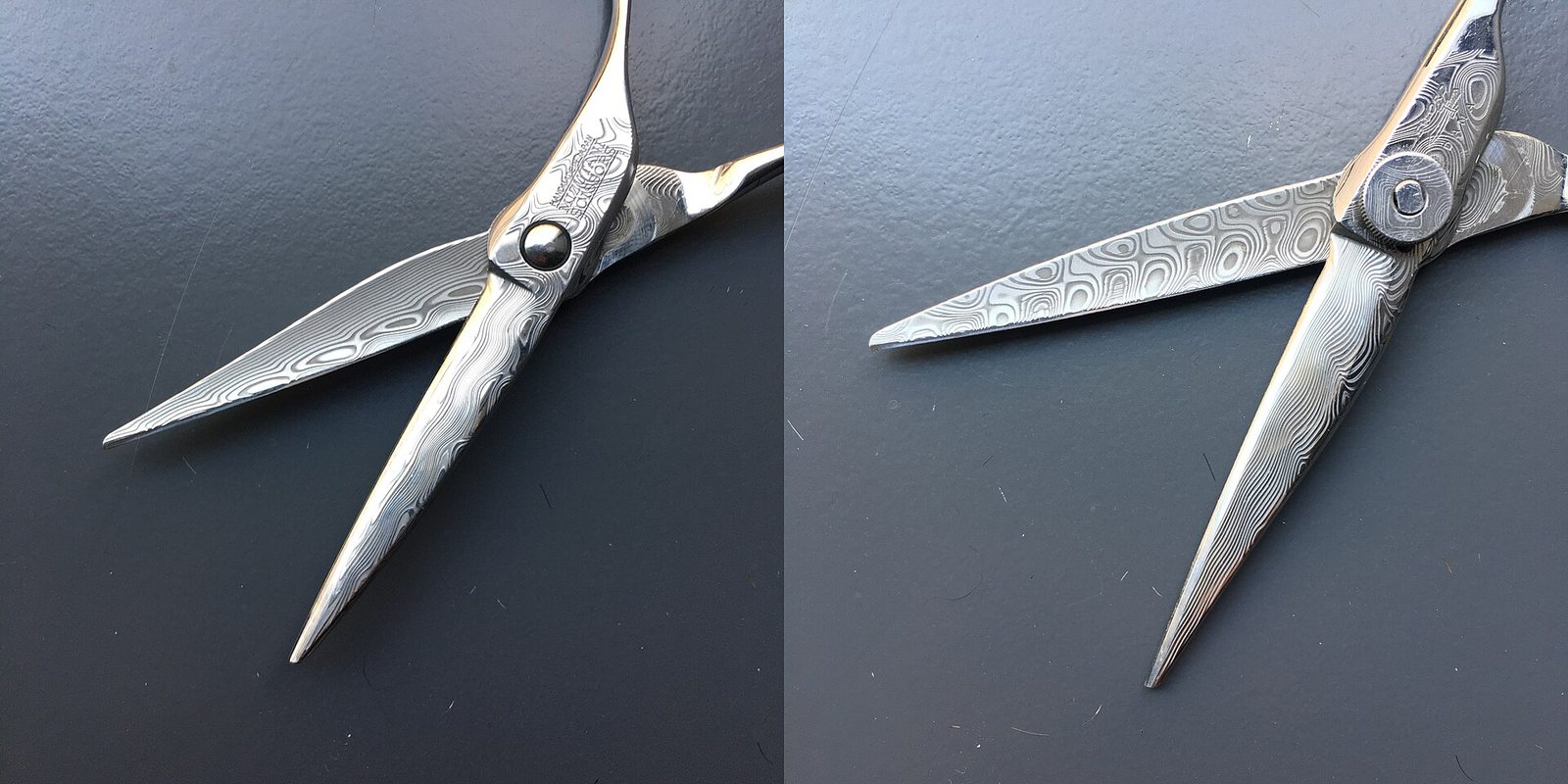
A salon does not have one brand. It has one per chair. Clients follow the person who cuts their hair, and a website built only around the salon name quietly throws that away. Almost every decision about the site, web hosting for hair salons included, follows from that one.
Disclosure: AldoMedia is an independent authorized reseller. If you buy through a link on this page we may earn a commission, at no extra cost to you. The hosting platform, the domain registry and the certificate authority are run by upstream providers whose full-time job that is. What AldoMedia does is set the products up properly, support them, and stay accountable for your account.
Ask any owner how a new client found them and the answer is usually a name. Somebody moved to the area and their friend said to ask for Marissa. Somebody saw a photograph of a balayage and wanted to know who did it. The salon name comes second in that sentence, and often it does not come up at all.
Now look at how most salon websites are built. One page called Our Team, with a grid of headshots and first names, and nothing else. No page for any individual stylist. Nothing a search engine can attach a name to.
Here is what that costs. A stylist with a personal following leaves. Every client who goes looking for her by name finds her new chair, or finds nothing at all, because your site never gave them a reason to land on you. You do not lose one stylist. You lose the whole book she was holding.
That is a short page. Six of them is still a small website. But each one is a door, and a door with a person's name on it gets used.
If your team is one grid of headshots, we will build a short page per stylist with her specialities, her own photographs, her days and a booking link you control. Salon sites have been our work since 1999.
There is an obvious objection to all of this, and it deserves a straight answer. If you build a page for a stylist and then she leaves, you have built a landing pad for her new salon. People will keep finding that page for months.
That is real, and it is not a reason to skip the pages. It is a reason to plan for the day somebody leaves, before it happens.
The page comes down, and the address redirects to the team page or to whoever took over that client list. It should not sit there as a dead end, and it should not sit there advertising a competitor.
Agree up front who owns the images shot in your salon. The work stays useful in the general gallery even after the stylist has gone. Put it in writing at the start, not during the awkward conversation.
If another stylist is taking that chair and that book, the old address is the single best place to say so. That is a redirect you control, and it converts far better than silence.
If the stylist's page links to her own external calendar rather than one you administer, you cannot switch it off when she leaves. Own the link.
The salon that skips stylist pages to avoid this problem does not avoid it. It just loses the clients quietly instead, and never sees where they went.
Nearly every salon books through a platform now, and there is nothing wrong with that. The scheduling, the deposits, the reminder texts and the no-show policy are all genuinely better handled by software built for it.
What is worth understanding is that the booking happens on their system, under their branding, holding their copy of your client list. That is the trade you are making, and it is often the right one. Just make it knowingly.
A booking widget dropped into your own pages is fine too. Just watch what it drags along with it, because these embeds often load several external scripts before anything on your page appears. If your site suddenly feels slow after adding one, that is where to look first.
The work is visual, so the gallery is the point. It is also the only part of a salon website heavy enough to cause a real problem, and it does so more often than anything else on this list.
The usual sequence: photographs go straight from a phone or a camera onto the site at full resolution. Each one is several megabytes. Forty of them sit on the homepage. The page now takes a long time to appear on a phone with an ordinary signal, and a share of visitors leave before they ever see a single image.
This is worth being blunt about, because the industry sells the opposite. A slow gallery is almost never a hosting problem. It is a file size problem. Resize images before they go up, let the site serve smaller versions to phones, and load the rest only as somebody scrolls. The same plan that was struggling will feel instant.
Storage is a similar false alarm. Even a large, well-kept portfolio is small next to what an entry shared hosting plan already includes. If you are being pushed up a tier because of photographs, ask exactly how much space the current site uses. The number usually ends the conversation.
Video is the exception. If you want reels of color transformations on the site, put them on a video service and embed them. Serving video from your own hosting is the one thing that genuinely does not belong there.
Send us the salon site and we will check what is actually making it slow, usually full size phone photographs, and set the price list up as text you can edit yourself. If your current plan is already right, we will say so.
A salon price list is one of the most searched things about your business and one of the most commonly hidden. The reasoning is understandable. Prices vary by length, by stylist level, by how much correction the last salon left behind. Publishing one number feels like a promise you cannot keep.
The answer is not to hide them. It is to publish them honestly as ranges, and to say what moves the number. A page that reads "cut and finish, from this to this depending on length and stylist, color quoted at consultation" answers the question and sets the expectation at the same time.
Two practical points. Put the prices in real text on the page, not in a picture or a PDF of a printed menu, because words inside an image may as well not be on the site at all. And put them somewhere you can edit yourself in a minute, because the alternative is a website showing last year's prices for eighteen months while everyone waits for whoever has the original file.
If you rent a single chair and work alone, most of this page does not apply to you, and it would be dishonest to pretend otherwise.
A single-chair operator does not need a team structure. You do not need stylist pages, because you are the stylist. You need one good page with your name on it, what you do, a set of photographs, prices and a booking link. That is the whole website, and an entry shared plan carries it without straining.
Spending more starts to make sense when you have several stylists each with their own page and gallery, more than one location on one site, or a retail section selling product where payments run through your own website. Those are real reasons. Being busy in the chair is not one, because a website is not busier when the salon is.
AldoMedia has built and looked after websites for Western New York businesses since 1999. Salon sites where the gallery is nine hundred unresized photographs, or where six stylists share a single grid of headshots, are familiar work. We are an independent authorized reseller rather than the operator of the underlying platform, and we will tell you plainly when the plan you are already on is the right one.
If you are taking over a site somebody else built, or you are not sure who currently controls the domain and the booking links, start with taking over a website. Call 716-771-2536 or tell us what your salon site runs on.
If you have more than two or three stylists and any of them have a personal following, yes. Clients search by name, and a grid of headshots on one team page gives a search engine nothing to attach a name to. A short page per stylist with her specialities, her own photographs, her days and a booking link is enough.
Decide before it happens. The page should come down and its address should redirect, either to your team page or to whoever has taken over that chair and that book. That old address is the best place you will ever have to introduce her replacement. What it must not do is sit there as a dead end, or point at a booking calendar you cannot switch off.
Yes, for two reasons. The booking profile is not yours, and you cannot take its address with you if you change platforms. And those profiles rarely turn up when somebody searches for a stylist by name or for a service you want to be known for. Use the app for scheduling and deposits, and keep your services, prices and stylist pages on a site you own.
Almost certainly not. A slow salon gallery is nearly always full-resolution phone photographs uploaded as they came off the camera, several megabytes each. Resize them, serve smaller versions to phones, and load the rest as the visitor scrolls. Storage is rarely the issue either, because even a large portfolio is small next to what an entry plan includes.
Publish ranges. It is one of the first things people look for, and a site that hides it loses the inquiry to one that does not. Say what moves the number, length, stylist level, and whether color is quoted at consultation. Keep it as real text you can edit yourself rather than a picture of a printed price card.
Yes, but host the video on a video service and embed it rather than uploading the files to your own hosting. Video is the one kind of file that genuinely does not belong on a shared plan, and an embed also handles playback on phones properly without any work from you.
The plan type nearly every salon site belongs on, and what moving up a tier actually changes.
Read about shared hostingGetting control of a salon site, domain and booking links back from whoever built it.
How a handover worksWhy booking@ at your own salon domain beats a free address, and what setting it up involves.
Read about business emailEvery trade we cover is listed on hosting by industry.
Hero image: Pittigrilli, CC BY-SA 4.0, via Wikimedia Commons. Cropped.
Tell us how many chairs you run and what your site is on now, and we will tell you whether the plan you are paying for is the right one. If it already is, we will say so.
Get Your Web Hosting Plan Get help choosing
Or call 716-771-2536 and tell us what the site has to do. If the plan you are already on is the right one, we will say so.
