
.jpg)
Shared Hosting
The plan type nearly every garage door site belongs on, and what the higher tiers actually change.
Read about shared hosting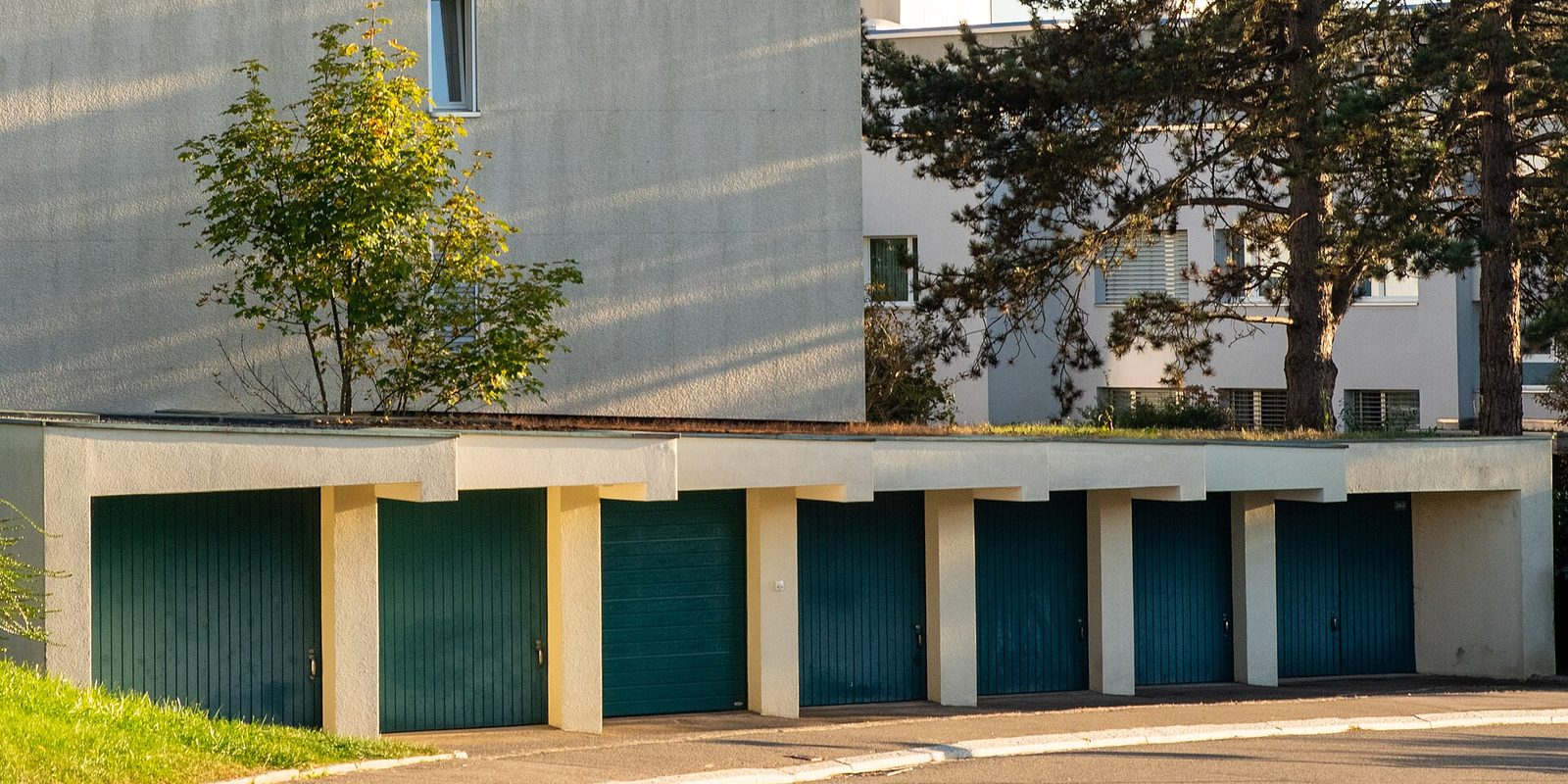
A door that works is invisible. A door that stops working is an emergency, and the person standing in the driveway with a car trapped inside is on their phone within about a minute. Nearly everything about your website, and the web hosting for garage door companies under it, follows from that.
Disclosure: AldoMedia is an independent authorized reseller. If you buy through a link on this page we may earn a commission, at no extra cost to you. The hosting platform, the domain registry and the certificate authority are run by upstream providers whose full-time job that is. What AldoMedia does is set the products up properly, support them, and stay accountable for your account.
Open most garage door company websites and you get a gallery of handsome new doors, a page about brands carried, and a form. It reads like a showroom. Then look at what the phone actually does all day. Broken torsion spring. Opener that hums and does nothing. Door off its track. Cable snapped and the door hanging crooked. Remote stopped working after a power cut.
That gap is the single most expensive thing on a garage door website. Repairs are the majority of inquiries in this trade, they happen at short notice, and they are the searches your site is least likely to answer. An install is a considered purchase that somebody researches for two weeks. A snapped spring is a decision made in four minutes on a phone screen while standing in a garage.
Not "garage door company". They type what they can see or hear. "Garage door spring broke". "Garage door won't close all the way". "Garage door opener clicking but not moving". "Cable came off drum". They describe a symptom, because they do not know the name of the part yet.
If your website has no page that uses those words, a search engine has nothing to match. You are not being beaten on price. You are simply not in the running, and the company that wrote three plain paragraphs about broken springs is.
You do not need a page for every fault. You need the words to exist somewhere in real text on your site, written the way a customer says them rather than the way an installer says them.
Most of your calls are same-day repairs, and most sites only sell installations. We will make sure the repair pages exist and load quickly on a phone in a driveway.
The second search pattern is the one your competitors ignore. People search the name stamped on the equipment. The opener has a brand on the housing and the customer reads it off the unit before calling. The door has a badge. The remote has a model number on the back of the battery cover.
So write those names down on your site, honestly. If you service a brand, say so. If you do not, say that too, because a call you cannot take is worse than a call that never came. A short, accurate list of what you install and what you repair does more work than a paragraph about commitment to quality.
This is content work, not a hosting feature. Nobody can sell you a plan that makes your site rank for a brand name. What hosting has to do is let you add and edit that text yourself without waiting on anyone, which is a question about how the site is built rather than which tier you are on.
Every garage door site in your market says same-day service. The phrase has been worn smooth. It carries almost no weight now, and the customer reading it assumes it means somebody will call back eventually.
What restores the meaning is specifics, and specifics are cheap to add.
"Calls answered until 8pm, seven days" is a claim someone can check. "24/7 emergency service" is a claim nobody believes. If you take after-hours calls but charge more for them, say the charge exists. People are not annoyed by an after-hours rate. They are annoyed by finding out about it later.
At the top of the page, as a tappable link, and again at the bottom. Somebody in a cold garage is not scrolling to a contact page. Half of this trade's inquiries are a tap on a number, not a form submission.
A person in a hurry wants to know you come out to where they live. A short list of the towns you cover, in ordinary text near the top, answers that faster than a map widget that has to load.
One clear line near the top of the homepage that says what to do if a door is stuck open or a spring has gone. That is the only thing that visitor is looking for. Do not make them read past the showroom gallery to find it.
If you are three days out in October, the site should not still promise today. A line you can edit in a minute beats a promise you cannot keep, and it saves you the call that ends badly.
None of that costs anything. It is text on a page. But it is the difference between a site that reads like a brochure and one that reads like a company answering the phone.
If you do both, they deserve separate pages, because they are separate customers with almost nothing in common.
The residential caller is a homeowner with a broken spring and a car they need by eight. Price matters, speed matters more, and the decision is made alone. The commercial caller is a property manager or a facilities person with a loading dock door that will not lift, and behind them sits a whole building that cannot receive deliveries until it does. That person cares about response commitment, whether you can invoice, whether you carry the right insurance certificates, and whether you can hold a maintenance schedule across a dozen sites.
Putting both on one page means each reads a page written half for someone else. The homeowner wades through talk of service contracts. The facilities manager sees carriage house doors and decides you are a residential outfit.
AldoMedia can take the oversized install photos off your hands, split the gallery by door style, and get the phone number tappable at the top of every page. Western New York businesses since 1999, and 716-771-2536 still answers.
Here is where this trade genuinely differs from most. Door styles are a visual purchase. Somebody replacing a door is choosing how the front of their house looks, and no description of a raised panel does what one photograph does. Your own installs, photographed on real houses in your own area, sell better than any manufacturer catalog image, because the customer recognizes the street.
That is the one place a garage door site earns its weight in images. Everywhere else, photographs are dead load. A repair page does not need a gallery. It needs a phone number.
Photographs go straight from a phone to the website at full size, and a gallery of twenty of them becomes a page that takes many seconds to appear. On a phone in a driveway, on a weak signal, that visitor is gone before your best work has rendered. This is the most common reason a garage door site feels slow, and it is not the hosting.
If you want the fuller version of what a site like this costs to keep running once the images and the plan are settled, the running costs page lays it out without the sales pitch.
If your installations come exclusively through builder contracts, this whole argument may not apply to you, and it is worth being honest about that before you spend.
A company doing new construction for two or three builders gets its work from a relationship and a bid sheet. Nobody on that side searches for you. The website is a credibility check that gets opened once, by a project manager who wants to see that you exist and can be reached. A single clean page and a working email address does that job completely.
Where spending more genuinely earns its place: you are chasing repair work in a competitive metro and the site is doing real acquisition, you run online scheduling rather than a phone queue, or you have grown enough that several people need to edit the site without stepping on each other. Number of trucks is not a reason. Volume of doors hung is not a reason.
One thing worth paying attention to regardless of size is backups. A site with your install photography on it is the only copy of that photography in a lot of companies. The website backups page explains what your host does and does not keep for you.
AldoMedia has built and looked after websites for Western New York businesses since 1999. Garage door sites arrive here in a familiar state: handsome, slow, and silent on the subject of springs. Most of the fix is words, not plan upgrades, and we will say so rather than sell you a tier you do not need. We are an independent authorized reseller rather than the operator of the underlying platform.
If you inherited a site from whoever built it years ago and nobody knows where the login lives, start with taking over a website. Otherwise call 716-771-2536 or tell us what your site runs on and we will look at it before quoting anything.
In most markets, yes. A broken spring is the single most common emergency in this trade and it is searched by the symptom rather than the service. A short, plain page that says what a broken spring looks and sounds like, why it is not a do-it-yourself repair, and what you charge to look at it will out-earn the whole rest of the site. Openers that will not lift are worth the same treatment.
Yes, and you should, as long as you are accurate about it. People search the brand stamped on the housing because that is the only name they have. Separate the two lists plainly: what you install and carry parts for, and what you will come out and repair. Being clear about what you will not touch, such as very old tilt-up hardware, saves you the calls that go nowhere.
The number, everywhere, as a tappable link at the top and bottom of every page. Somebody with a car trapped in the garage is not filling in a form and waiting. Keep the form for install inquiries and estimates, which are the considered decisions where people are happy to type.
Almost never. The usual cause is photographs uploaded straight off a phone at full size, so a gallery page ends up many megabytes heavy. Resize them to the size they actually display at and the same plan feels like a different website. If somebody is quoting you an upgrade before they have looked at the image sizes, get a second opinion.
Not much. If every job comes through a builder relationship, the site is a credibility check opened once by a project manager. A single clear page with what you do, your license and insurance position and a working email address at your own domain will do it. Spend the money on the email, not the plan.
Yes, though not for the reason people assume. You are not protecting a transaction, you are avoiding the browser warning that appears on sites without one, which reads as unsafe to a customer who is already anxious. It is standard on modern hosting rather than an upsell. The SSL page explains what it does and does not cover.
The plan type nearly every garage door site belongs on, and what the higher tiers actually change.
Read about shared hostingWhat to gather when the site was built years ago and nobody remembers who has the login.
How a handover worksWhy estimates sent from your own domain land better with builders and property managers.
Read about business emailEvery trade we cover is listed on hosting by industry.
Hero image: Balise42, CC BY 4.0, via Wikimedia Commons. Cropped.
Tell us what your garage door site runs on and we will tell you whether the plan is the problem or the pages are. If the plan is already right, we will say so.
Get Your Web Hosting Plan Get help choosing
Or call 716-771-2536 and tell us what the site has to do. If the plan you are already on is the right one, we will say so.
