
.jpg)
Shared Hosting
The plan type most flower shops belong on, and what the higher tiers actually change.
Read about shared hosting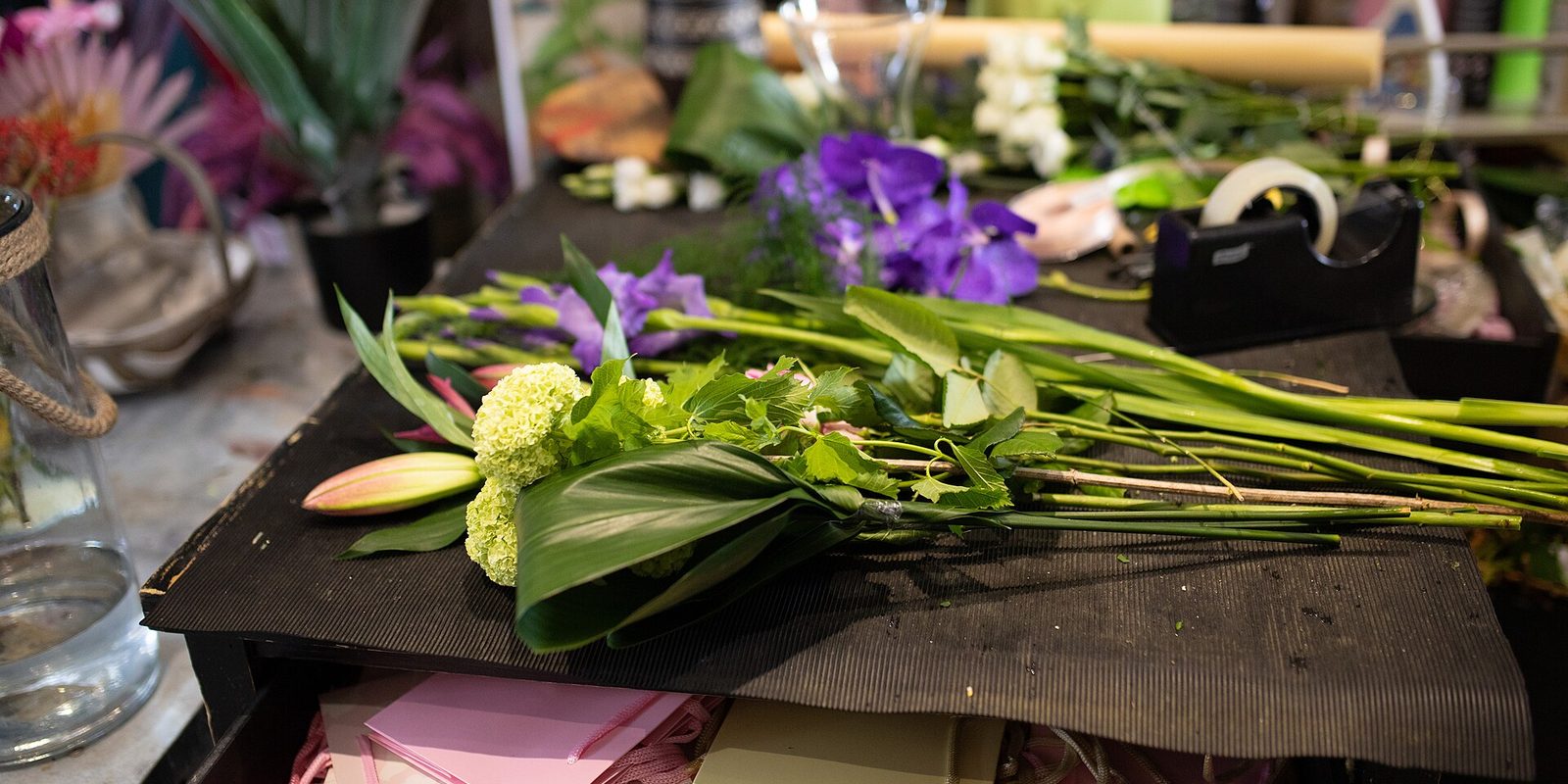
A florist's entire online year happens on about six days, and two of them are Valentine's Day and Mother's Day. Everything else is practice. That one fact should decide how you spend money on web hosting for florists, and it usually does not.
Disclosure: AldoMedia is an independent authorized reseller. If you buy through a link on this page we may earn a commission, at no extra cost to you. The hosting platform, the domain registry and the certificate authority are run by upstream providers whose full-time job that is. What AldoMedia does is set the products up properly, support them, and stay accountable for your account.
Valentine's Day. Mother's Day. Christmas. Easter or Passover depending on your neighborhood. Homecoming and prom season if you are near a high school. Add local funerals, which do not follow a calendar at all, and that is most of the online revenue in a florist's year.
The rest of the year, your site is a quiet shopfront. Someone looks up your hours, sees a few arrangements, calls. It could run on almost anything. Then for about thirty-six hours in February the traffic multiplies, and every one of those visitors is trying to complete a purchase within a few minutes because they have left it late.
That is the pattern that should shape your decisions. Not average traffic. The spike. And the awkward part is that the spike arrives on a date you have known about for a year, which means there is no excuse for being surprised by it.
Notice how few of those are the server. Almost every florist outage we have looked at was a site problem wearing a hosting costume. Buying a bigger plan in January does not fix an expired payment credential in February.

We will place a test order on your florist site the way a customer would, on a phone, and hand you the list of what broke. If nothing broke, that is the answer and you keep the plan you have.
The single most useful thing you can do for your website costs nothing. Two weeks before each of your big days, place a real order on your own site and see it all the way through.
Not a preview. Not a look at the product page. A real transaction with your own card, delivered to your own address, then refunded. It is the only way to find out that the thing broke, because nothing else exercises the whole chain.
Pick a mid-priced arrangement, add a card message, choose the delivery date you expect to be busiest, and pay. Do it on your phone, because that is what your customers will use.
Did the order notification arrive, and did it arrive at an address somebody reads on a Saturday? Order emails going to a mailbox nobody checks is a common and very expensive failure. If your order alerts come from your site, the setup that keeps them out of spam is on the business email page.
Order to a ZIP code you do not serve. Order for same-day delivery an hour after your cut-off. If the site takes the money anyway, you have found a problem worth a whole afternoon of your time.
Fix the list now, while it is February the first and not February the thirteenth. Keep the list. Most of it will be the same next year.
Do this before Mother's Day too, not just Valentine's Day. They fail differently. February is one enormous evening of last-minute orders. May is a longer, wider week with far more deliveries to sort by street.
Ask any florist where the arguments come from and you will get the same two answers. Somebody ordered for an address you cannot reach, and somebody ordered at four in the afternoon expecting it there by five.
Both of those are website problems before they are shop problems. The customer was allowed to buy something you could not sell them, and now you are the one making the phone call.
A map with a shaded circle looks tidy and helps nobody. People do not know whether their street is inside a circle. List the towns and neighborhoods you deliver to by name, in plain text on the page, and say what happens for addresses outside them. If you deliver to hospitals, funeral homes and nursing homes, name those too, because that is exactly what somebody types into a search box at eleven at night.
The cut-off time belongs on the product page and in the cart, not buried in a delivery policy nobody opens. Same-day orders after your cut-off should either be blocked or clearly re-dated before payment, and holiday cut-offs should be stated in full dates rather than "orders close soon".
Flowers are a live product. The photograph on your website was taken once, and the stems in the cooler on the day are whatever the market had. Every florist substitutes. The difference between a shop with good reviews and one with bad reviews is often nothing more than whether the customer was told first.
Write the substitution policy in your own voice and put it on the product page, not in the footer. Something like: we keep the color, the style and the value, and we swap individual stems for the freshest available. That sentence does more for your reputation than any amount of design.
The worst version of this is a stock catalog of images you did not shoot, showing arrangements you cannot make. The customer sees a picture, receives something genuinely lovely but different, and feels misled. Photographing your own work, even on a phone by the window, avoids the whole problem.
If you use a wire service or a national order-gathering platform, its catalog images and its policy are what your customer saw. When the complaint arrives, it still arrives at your shop. Keeping your own arrangements and your own words on your own site is the part you control.
AldoMedia can put your towns, funeral homes and cut-off times into plain words on the pages where people decide, and make sure order alerts land in a mailbox somebody reads on a Saturday.
A sympathy order is the least forgiving thing your website does. The person ordering is upset, often ordering from out of town, often working from a funeral notice with a time on it. They need to know three things quickly: can you deliver to that funeral home, can you deliver by that hour, and what is appropriate to send.
Most florist websites bury all three. Sympathy sits inside a general product grid, the funeral home list does not exist, and the delivery timing page talks about business days.
Also make the card message field long enough and make it obvious. A truncated message on a sympathy card is a mistake you cannot apologize your way out of, and it is usually caused by a field somebody set to sixty characters and never tested.
If you are a studio florist doing weddings and events by consultation, most of this page does not apply to you, and a cart would be a mistake.
You are not running a shop. You are running a booking business with a long lead time, a conversation before every job, and a price that depends on the flowers in season and the size of the room. Nothing about that fits a product grid with an add-to-basket button. What you need is a portfolio that loads quickly and an inquiry form that asks the four things you always end up asking anyway: date, venue, rough headcount, budget range.
For a studio like that, shared hosting on an entry tier is genuinely enough, and anyone telling you otherwise should be asked what specifically they think will strain it. The same is true of a retail shop that takes orders by phone and uses the website as a shopfront.
Where spending more does make sense: you run a real store on the site, you take payments yourself rather than through a hosted checkout, or your February order volume has already caused you a bad day. Those are reasons. A general worry about traffic is not, and neither is a security add-on for a site with no logins on it. If you do take payments, what you need is a working certificate, which the SSL page covers, and backups you have actually restored once.
AldoMedia has built and looked after websites for Western New York businesses since 1999. We are an independent authorized reseller rather than the operator of the underlying platform, and if the plan you are already paying for is the right one, we will tell you that instead of selling you a bigger one.
The useful work for a florist is nearly always the same: get the January check done before February, get the delivery zones and cut-offs written in plain words, and make sure order notifications arrive somewhere a human reads. If you are moving hosts, do it in the autumn and not in the first week of February. The order of operations is on the website migration page. Call 716-771-2536 or tell us what your site runs on.
Probably, and the risk is rarely the server. What fails on the day is usually a checkout nobody has tested since last year, an expired certificate, or a homepage carrying forty full-size photographs. Place a real order on your own site two weeks before, on your phone, and refund it. That one test finds more problems than any plan upgrade.
Order gathering brings volume, and for some shops it is worth it. Be clear about the trade though. The customer saw their catalog images and agreed to their substitution policy, but the complaint comes to you, and the customer belongs to them. Keep your own arrangements, your own words and your own delivery zones on a site you control, and treat the platform as one route in rather than your whole presence.
As a list of town and neighborhood names in ordinary text, not a shaded map. People do not know whether their street is inside a circle. Name the hospitals, funeral homes and nursing homes you deliver to as well, because that is exactly what somebody searches for at eleven at night.
Yes, and put it on the product page rather than in the footer. Flowers are a live product and every shop substitutes. Saying up front that you keep the color, style and value while swapping individual stems for the freshest available prevents most of the reviews that start with the customer feeling misled.
No. You are a booking business, not a shop. A cart cannot price a wedding, and building one gives you a checkout to maintain for orders that will never come through it. What you need is a fast portfolio and an inquiry form asking date, venue, headcount and budget range. An entry shared plan handles that comfortably.
Autumn, or any quiet stretch that is not within a month of Valentine's Day, Mother's Day or Christmas. A move involves DNS changes that take time to settle everywhere, and you do not want that overlapping your two biggest days. Plan it for a week when a slow afternoon would cost you nothing.
The plan type most flower shops belong on, and what the higher tiers actually change.
Read about shared hostingWhat the padlock does for a checkout, and what happens when a certificate quietly expires.
Read about SSLWhy a backup you have never restored is not really a backup, and how to test one.
Read about backupsEvery trade we cover is listed on hosting by industry.
Hero image: direct2Florist, CC BY 2.0, via Wikimedia Commons. Cropped.
Tell us what your florist site runs on and we will walk the order path with you before the rush, not during it. If the plan you are on is already the right one, we will say so.
Get Your Web Hosting Plan Get help choosing
Or call 716-771-2536 and tell us what the site has to do. If the plan you are already on is the right one, we will say so.
