

Shared Hosting
The plan type nearly every fitness center site belongs on, and what the higher tiers actually change.
Read about shared hosting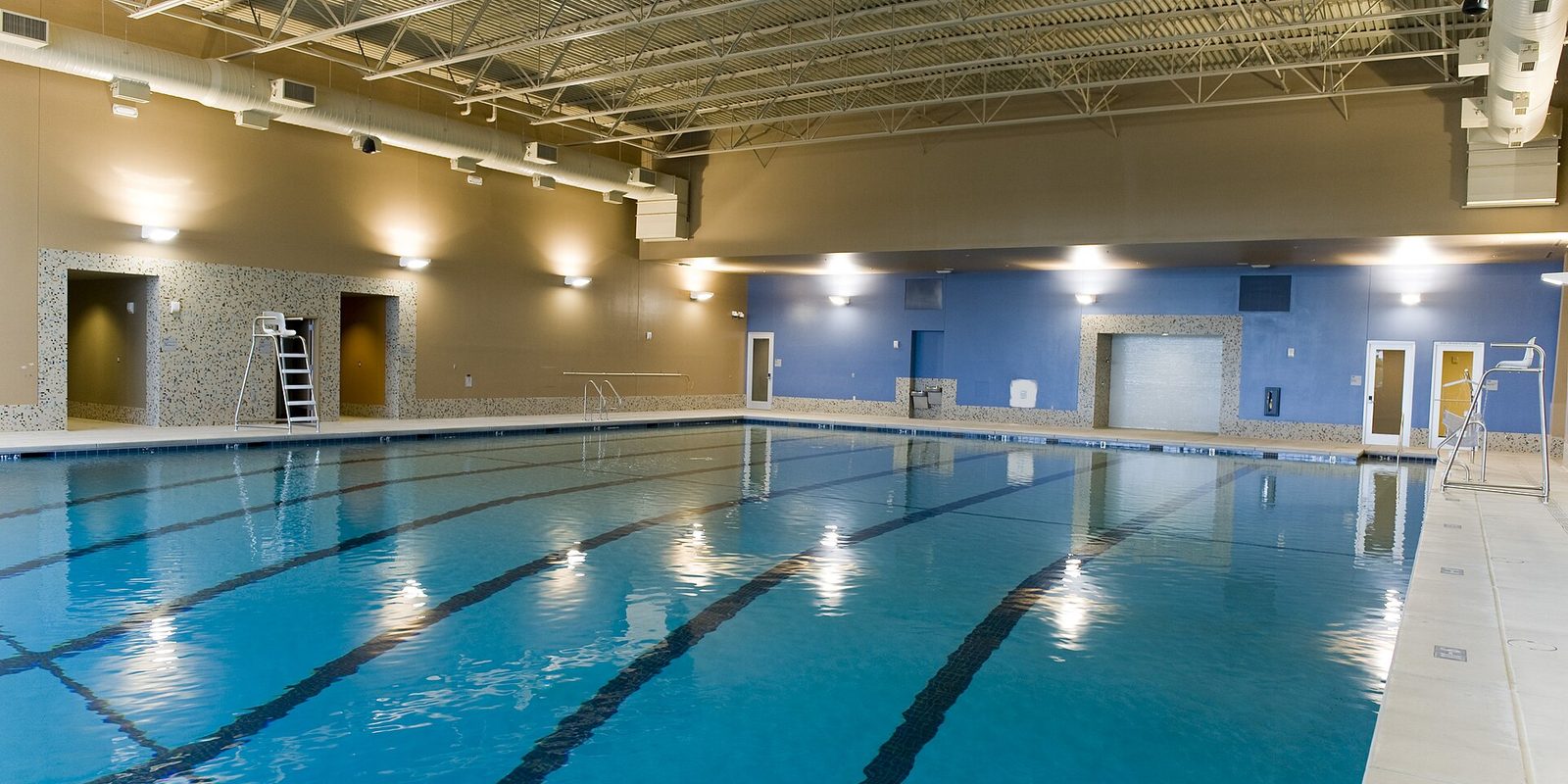
A multi-purpose center is not selling a room full of weights. It is selling lap lanes, court time, classes, childcare and a family membership, mostly to households who are trying to fit all of it around work and school. That makes your website a timetable, and web hosting for fitness centers has to keep that timetable honest, which is a much harder job than keeping a home page current.
Disclosure: AldoMedia is an independent authorized reseller. If you buy through a link on this page we may earn a commission, at no extra cost to you. The hosting platform, the domain registry and the certificate authority are run by upstream providers whose full-time job that is. What AldoMedia does is set the products up properly, support them, and stay accountable for your account.
Most fitness websites publish a grid of group classes and call that the schedule. For a single-room gym that is fine. For a center with a pool, courts, a track and a studio, it answers maybe a third of the questions people arrive with.
Think about what a member actually needs to know before they leave the house. Is lane swim on at seven, or is the swim team in the water. Is the gym floor open during the youth basketball program. Can I get a racquetball court on a Sunday, or is that league night. Is the sauna working. Those are facility questions, and none of them are answered by a list of class names.
The distinction matters because a class list is a small, tidy thing that fits in a table, and a facility timetable is not. It has overlapping uses of the same space, seasonal blocks, holiday exceptions and a permanent tail of one-off changes. Publishing it properly is a content design job before it is a hosting job.
If your schedule reaches the website as a PDF exported from scheduling software, that is the single change worth making first. Everything else on this page gets easier once the timetable is ordinary web content somebody at the front desk can edit.

We turn a scheduling export into ordinary web pages your front desk can correct in a minute, showing pool, courts and studio as spaces rather than a list of class names. It is a one-off job, not a monthly cost.
Here is the shape of it at almost every center we have looked at. Class schedules live in the membership software. Court and lane bookings live in a booking system, often a different one. Swim lessons and youth programs live in a registration platform the aquatics director controls. Closures live in somebody's head, or on a sheet of paper taped to the door.
The website is a fifth place, and it is downstream of all four. So it is wrong more often than it is right, and the cost is not abstract. It is the front desk answering the same phone call about lane availability forty times a week, and a member driving over for a swim that was canceled on Tuesday.
You are not going to consolidate four systems because a web company suggested it. What you can do is decide, once, which system is authoritative for each fact, and make the website point at that one rather than repeat it.
Repeat the things that change slowly and that people search for: standard pool hours, the days a court is open to drop-in play, the general shape of the week. Those belong as text on your own pages because they are what search engines can read and what a first-time visitor needs before they will consider joining.
Link out to the things that change constantly: live court availability, class registration, remaining spots in a session. Embedding a booking widget into every page is how a fast site becomes a slow one, and it puts your timetable behind somebody else's software on somebody else's schedule.
The uncomfortable middle is instructor substitutions and one-off cancellations. Those change too often to retype and matter too much to hide. Give them one page, put it in the main navigation, and treat updating it as part of closing the desk. It works because it is one place, not because it is clever.
A pool closes for a chemical issue at six in the morning. What happens next decides whether that is a minor annoyance or a day of complaints. If posting the closure means emailing whoever manages the website and waiting, you have already lost. Members will find out at the door.
This is the one part of a fitness center website where the requirement is genuinely operational. Not traffic, not storage, not a bigger plan. The ability for a duty manager to publish four sentences in under two minutes, from a phone, at an hour when no office is open.
Usually two or three people: the general manager, the aquatics director, whoever holds the closing shift. More than that and nobody feels responsible. Fewer and the notice waits for one person's day off.
Shared passwords are how an ex-employee still has access two years later. Separate logins also mean you can see who posted what, which settles arguments quickly.
A banner on the home page and a dated entry on your closures page. Same place every time. Members learn where to look, and the front desk can say "it is on the website" and be right.
Even when the answer is "we will update by four this afternoon". An open-ended closure generates more calls than the closure itself.
Stale closure notices are worse than none, because members stop reading them. Removing the banner should be part of reopening, not something remembered a week later.
None of that requires an expensive plan. It requires that your site is something you can edit, which is a different question, and one worth checking before you renew anything. If you are not sure who currently holds the keys to your own site, taking over a website walks through getting them back.
Most center websites present membership as a single price grid with a few rows. That undersells two of the things you actually make money on.
A family membership is not an individual membership with more people attached. The buyer is a parent working out whether the place solves a logistics problem: swim lessons for one child, a program for the older one, and forty minutes on the treadmill for themselves while both are occupied. Price is barely the question. Whether the timings line up is the whole question, and your price grid does not answer it.
A corporate membership is a different sale again. The person reading is an HR manager or an office administrator with a wellness budget, and they need something to forward to a committee. They are looking for terms, minimum numbers, billing arrangements and a named person to contact. That is one page, written for them, with a real address at your own domain on it rather than a generic form.
These pages also do quiet work in search. Someone typing a phrase about corporate wellness memberships in your town is not going to land on a price grid. They will land on a page that is about that, if you have written one.
Tell us which of your four systems holds what, and we will set up logins so two or three staff can post a dated pool closure from a phone at six in the morning. If your current plan already covers it, we will say so.
Parents do not search for a fitness center and then discover you run swim lessons. They search for swim lessons. Then they discover the fitness center.
That is worth taking seriously, because it inverts the usual site structure. Youth programs, swim lessons and on-site childcare are usually buried two clicks down under Programs, when for a large share of your traffic they are the front door. Each of them deserves a page of its own with a plain description, the age ranges, the days and times, and how registration works.
Childcare in particular deserves more detail than most centers publish. Parents want to know the ages taken, the hours it is staffed, whether it is included in a membership, and how long a child can stay. Every one of those unanswered is a phone call, and a proportion of those calls do not get made at all.
Be careful about photographs of children. Get written permission before publishing any, and keep a record of it. If that is a hassle, and it often is, photograph the room and the equipment rather than the children in it. Your own adviser is the right person to ask about consent forms and policy.
If you run a single-room weights gym, most of this page is not about you, and you should not buy for problems you do not have. A gym with one floor, a door code and a class or two has a genuinely simple website: hours, location, what it costs, how to join. The gym page on this site covers that job, and it needs far less than a multi-purpose center does.
Even for a full facility, the hosting itself is undemanding. A timetable is text. Membership pages are text. The heavy parts of your operation, the booking and the payments, mostly happen inside software you do not host. Shared hosting is the right product, and the entry tier is usually enough.
Where spending more is genuinely justified: you run several locations from one site, you host registration and take payment on your own site rather than sending people to a platform, or you have a members area with logins behind it. Those change the answer. Member count on its own does not.
AldoMedia has built and looked after websites for Western New York businesses since 1999, and the pattern at a fitness center is familiar: four systems, one out-of-date PDF, and a front desk absorbing the difference. We are an independent authorized reseller rather than the operator of the underlying platform, and if the plan you are on already does the job we will tell you that instead of selling you a bigger one.
The useful first conversation is usually not about hosting at all. It is about which facts live where, and who at your center can change the website at six in the morning. Call 716-771-2536 or tell us what your site runs on.
Both, but not the same parts. Put the standard, slow-moving pattern on your own site as text: regular lane swim hours, when courts are open to drop-in play, the general shape of the week. That is what search engines can read and what a prospective member needs before they will consider joining. Send live availability and actual booking to your booking system, because repeating that by hand is how a website ends up lying.
That depends entirely on whether your staff can edit the site themselves. If posting means emailing a web company, the answer is too slow and members will find out at the door. Two or three people, each with their own login, able to post a dated notice from a phone in under two minutes, is the standard worth holding to. Give the reopening estimate even when it is only "we will update by four", and take the notice down as part of reopening.
Almost certainly not. Member count is not website traffic, and even at peak your visitors are reading text pages a few at a time. What slows a center site down is usually a page loading a booking widget and a gallery of unresized facility photographs, and a bigger plan does not fix either. Fix the weight of the page first.
They need their own pages, because the readers are different people asking different things. A parent is working out whether swim lessons, a youth program and their own workout can happen in the same hour, which a price row cannot answer. A corporate buyer needs terms, minimum numbers and a named contact in something they can forward to a committee. A grid serves neither of them well.
Photograph the space freely. Be much more careful with images of children: get written permission before publishing any, and keep a record of it. Where that becomes a burden, and it usually does, show the room, the pool and the equipment instead. Ask your own adviser about consent wording rather than copying something from another site.
It is the first thing worth changing. A PDF is hard to read on a phone, its contents are close to invisible to search, and it cannot be read aloud reliably by a screen reader. It also goes stale quietly, because updating it means finding whoever runs the export. The same information as ordinary web text loads faster, can be corrected in a minute by front desk staff, and can actually be found by someone searching for a class you run.
The plan type nearly every fitness center site belongs on, and what the higher tiers actually change.
Read about shared hostingGetting control of your own site back, so a duty manager can post a pool closure without waiting on anyone.
How a handover worksIf your timetable lives in WordPress, who is responsible for the updates and whether a managed plan earns its cost.
Read about WordPress hostingEvery trade we cover is listed on hosting by industry.
Hero image: Lawrence Crespo, Public domain, via Wikimedia Commons. Cropped.
Tell us where your pool hours, court bookings and class times currently live, and we will tell you what belongs on your own site and what should stay in the software you already pay for.
Get Your Web Hosting Plan Get help choosing
Or call 716-771-2536 and tell us what the site has to do. If the plan you are already on is the right one, we will say so.
