

Shared Hosting
The plan type nearly every electrician's site belongs on, and what the higher tiers actually change.
Read about shared hosting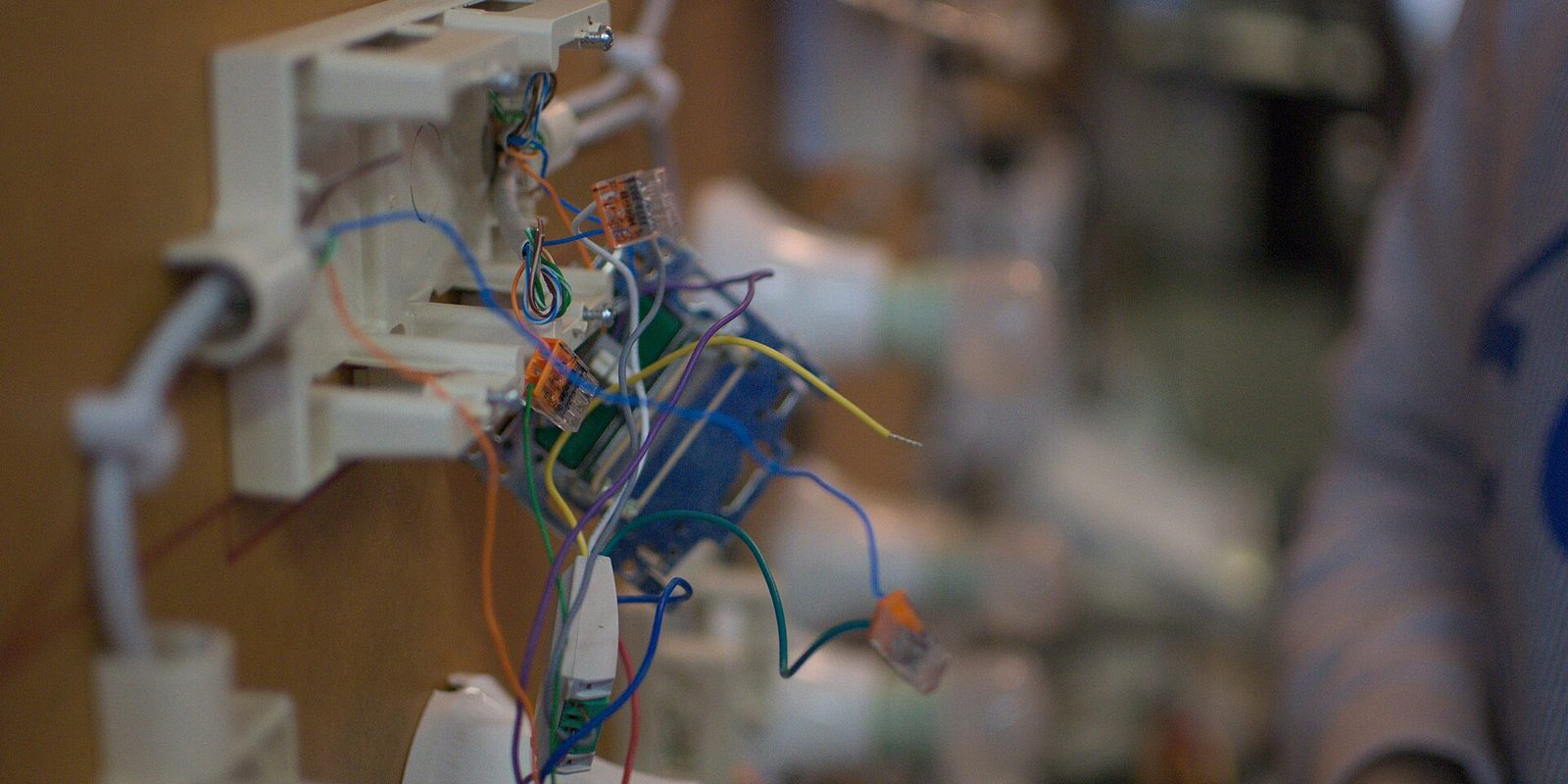
A homeowner comparing three electricians is not reading your copy. They are looking for two things, a license number and proof you are insured, and web hosting for electricians is only there to put both in front of them quickly. Whichever site makes them hardest to find is the one that quietly loses the job.
Disclosure: AldoMedia is an independent authorized reseller. If you buy through a link on this page we may earn a commission, at no extra cost to you. The hosting platform, the domain registry and the certificate authority are run by upstream providers whose full-time job that is. What AldoMedia does is set the products up properly, support them, and stay accountable for your account.
Electrical work is licensed, and everybody knows it. That single fact changes what your website is for. A landscaper's site is selling an idea of how the garden could look. Yours is answering a question the customer already has: is this person allowed to do this work, and what happens if something goes wrong in my house.
The failure is almost always the same. The license number is printed on the business card, painted on the van, and on the estimate. It is nowhere on the website. So a homeowner with three tabs open drops the one they cannot verify, and you never hear about it, because nobody calls to say they could not find your license number.
Requirements for what you must display and where vary by state and municipality, and some places have rules about advertising a license number. Check with your own licensing board or adviser rather than copying what another contractor's site does. The general point holds everywhere: information a customer cannot find might as well not exist.
Send us your site and we will put the license number, the insurance line and the jurisdictions you work in where a homeowner can find them in seconds. Small job, and it is usually the one that matters.
Search traffic for electricians splits into two piles, and most sites only serve one of them. The first pile is people ready to call. The second is people who are worried about something and are trying to work out whether it is a job at all.
That second pile is where the pages are. Do I need a permit to add an outlet. Who pulls the permit, me or the electrician. What is an inspection actually checking. Why does my breaker trip when the dryer runs. Is a fuse box a problem when I sell the house. Those are real searches, they are local, and almost nobody writes them up honestly.
You do not need to write a manual. A short page per question, in the words you use on the phone, does more than a long services page. Two paragraphs and a plain answer beats a page of adjectives. Keep the permit and inspection pages general about process and say clearly that requirements differ by municipality, because they do, and being the one who says so reads as competence.
Do not write pages that talk a homeowner through live electrical work. Answering what a job involves and what it costs is useful. A step-by-step on replacing a receptacle is a liability you did not need to take on.
Home charger installation is one of the few genuinely new sources of residential electrical work, and it comes with an unusually well-informed customer. Somebody who just bought a car has already read about amperage and load calculations. They arrive with specific questions and they want specific answers.
Most electrician websites handle this with a bullet point that says EV Charger Installation and nothing else. That bullet competes with every other bullet in the county. A single proper page does not.
The same logic applies to panel upgrades and service changes, which is the other job where a page earns its keep. Photographs matter here in a way they do not elsewhere. A before and after of a rusted fuse box replaced by a labeled panel sells the work without a word of copy. Resize the photographs before they go up, though. A gallery of untouched phone pictures is the most common reason a trades site feels slow, and it is not a hosting problem.
If you take emergency calls, the person finding you at nine on a Sunday evening has a burning smell or half a house with no power. They are on a phone, they are not reading, and they want a number that connects to a human. If you also do planned work, that customer is booking three weeks out and behaves nothing like the first one.
Trying to serve both with one homepage usually serves neither. The emergency customer scrolls past your kitchen rewiring gallery. The planned customer sees a site that looks like it is only for disasters.
Top of every page, as a tappable link, not an image and not text somebody has to copy. If you have an after-hours number, say plainly which hours it covers.
Be honest about it. If you take emergency calls in three towns and not the rest of the county, write that down. A wasted call helps nobody, and a clear boundary reads as reliability rather than a limitation.
A separate page, or at minimum a separate clear path, for the customer who is planning rather than panicking. Panel upgrades, EV chargers, remodels and generator work belong here.
Trades customers call. A contact form is worth having, and if you use one it should run over HTTPS and send to an address you actually check, but it should never be the only way to reach you.
Wherever the form sends to, use an address at your own domain rather than a free one. An estimate request that arrives at a personal address from 2009 looks like it might not reach a business. Business email at your own domain is a small cost and it is doing quiet credibility work on every message you send.
Tell us what your site runs on now and we will resize the panel photographs, check the certificate and the backups, and move you if the plan is wrong. If it is already right, we will tell you that instead.
Worth saying plainly, because the industry does not like saying it. An electrician's website is a handful of pages, some photographs and a phone number. It is one of the lightest things you can put on a server. There is no shop, no logins, no booking engine holding a database open.
Shared hosting is the right product, and the entry tier is usually genuinely enough. The things that actually matter are unglamorous: the site loads fast on a phone with one bar of signal in somebody's basement, the certificate is valid so the browser does not warn people, and there is a backup you could restore from if a plugin update went wrong.
If your site runs on WordPress, the maintenance question is a fair one and is covered on the WordPress hosting page. The short version is that the plan name matters less than whether somebody is actually applying the updates.
If you cannot log in to your own website because the person who built it in 2016 has the only account, fix that before you buy anything else. Taking over a website covers what to ask for and in what order.
If you subcontract entirely to builders and general contractors, and you take no residential calls at all, a public marketing site earns you very little. Your work comes from a small number of relationships and a phone that already rings. Nobody is comparing three tabs before they hire you.
In that case the honest advice is to keep it minimal and stop thinking about it.
Spending more starts to make sense when the mix changes. If you are chasing residential work, running vehicles you want people to recognize, hiring, or building a service-agreement customer base, the site becomes the first conversation instead of an afterthought. Volume of work is not the trigger. Where the work comes from is.
AldoMedia has built and looked after websites for Western New York businesses since 1999. We are an independent authorized reseller rather than the operator of the underlying platform, and we will tell you when the plan you are already paying for is the right one.
Most of what an electrician's site needs is not a bigger plan. It is a license number in the footer, photographs that are not four megabytes each, and a phone number a thumb can reach. Call 716-771-2536 or tell us what your site runs on now.
Rules on where a license number must appear vary by state and by municipality, and some places treat a website as advertising with its own requirements, so check with your licensing board or your own adviser. Setting the rules aside, it belongs there anyway. It is the first thing a homeowner comparing electricians looks for, and a site that omits it loses to one that shows it.
You do not need to. A plain sentence saying you carry liability and workers' compensation coverage answers the question for almost everyone, and a certificate uploaded once goes out of date silently. Send the current certificate directly when a customer or a general contractor asks for it, which keeps it accurate and keeps the details off a public page.
Yes, and it is the one page most electricians are missing. That customer has just bought a car, has already read about amperage, and is searching with specific questions. A page covering whether the panel usually needs upgrading, what a load calculation decides, and whether you fit their own unit will pull inquiries that a single bullet point on a services list never will.
Describe the process rather than the rule. Explain who normally pulls the permit, what an inspector is generally looking at, and why it protects the homeowner, then say clearly that requirements differ by municipality and that you confirm the specifics for each job. Avoid quoting code sections, and avoid anything that reads as instructions for a homeowner to do live electrical work themselves.
Almost certainly not. Panel and rewiring photographs straight off a phone are often several megabytes each, and twenty of them on one page will feel slow on any plan. Resize them before uploading and the problem disappears. Buying more hosting to carry unresized images is paying monthly for something a one-off afternoon fixes.
Barely one. If every job comes through a handful of general contractors and you take no residential calls, a single page with your license details, a number and an email address at your own domain is enough, on the cheapest shared plan available. Keep the domain registered in your own name, though. That is the one thing here that is genuinely costly to lose.
The plan type nearly every electrician's site belongs on, and what the higher tiers actually change.
Read about shared hostingWhat to ask for when the person who built your site in 2016 still holds the only login.
How a handover worksWhy estimate requests should arrive at your own domain rather than a free address.
Read about business emailEvery trade we cover is listed on hosting by industry.
Hero image: Altoscroll, CC BY-SA 4.0, via Wikimedia Commons. Cropped.
Tell us what your electrical site runs on and we will tell you whether the plan you are paying for is the right one. If it already is, we will say so.
Get Your Web Hosting Plan Get help choosing
Or call 716-771-2536 and tell us what the site has to do. If the plan you are already on is the right one, we will say so.
