
.jpg)
Shared Hosting
The plan type nearly every bar site belongs on, and what the higher tiers actually change.
Read about shared hosting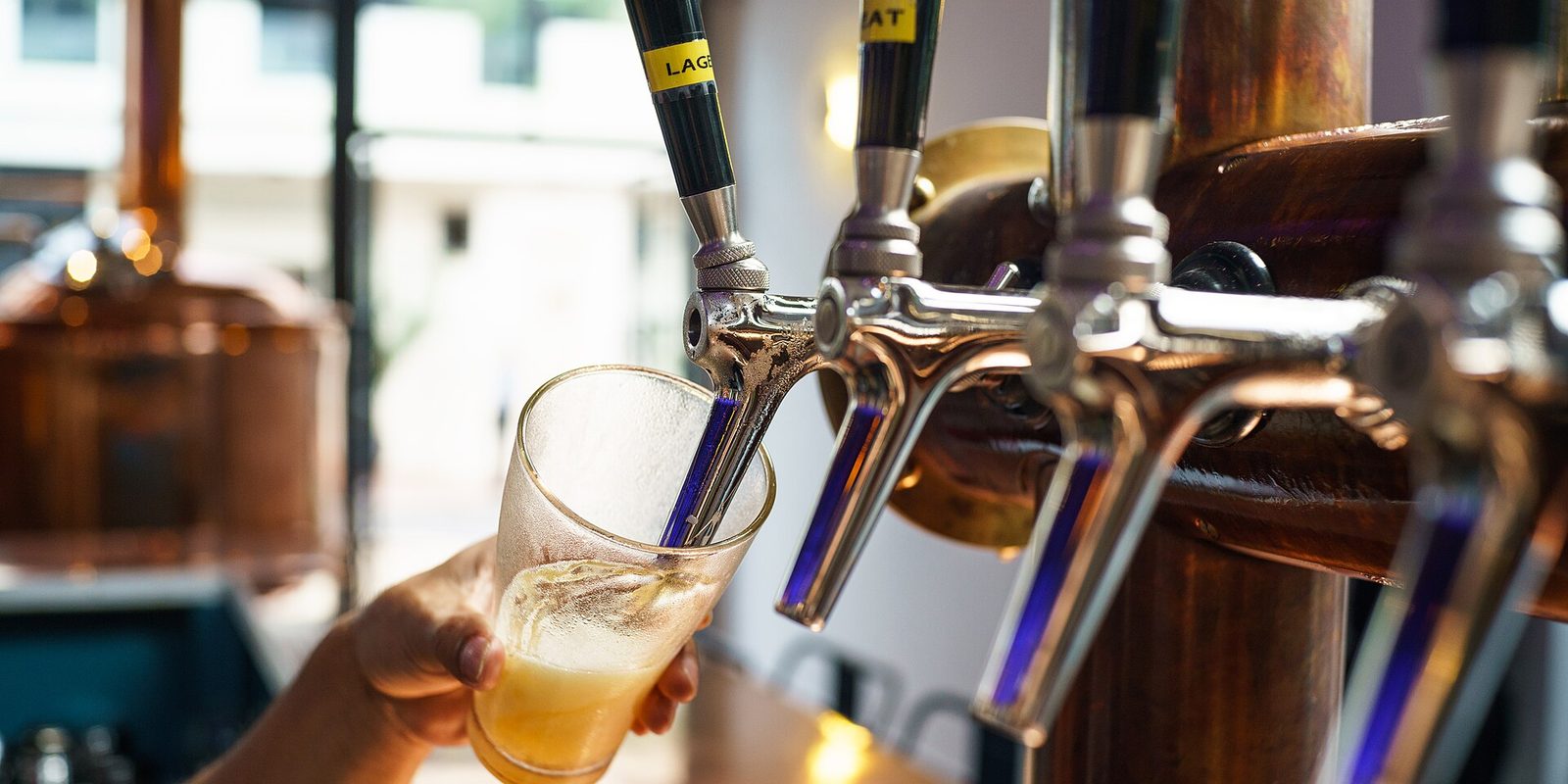
People do not come to a bar's website to read the drinks list. They come to answer one question, and they usually ask it from the pavement outside with a phone in one hand. What is on tonight. Web hosting for bars and taverns exists to deliver that answer, and everything else is decoration around it.
Disclosure: AldoMedia is an independent authorized reseller. If you buy through a link on this page we may earn a commission, at no extra cost to you. The hosting platform, the domain registry and the certificate authority are run by upstream providers whose full-time job that is. What AldoMedia does is set the products up properly, support them, and stay accountable for your account.
Watch what people actually do on a bar site and it is close to identical everywhere. They look for tonight, then this weekend, then the address. A handful check whether the kitchen is still open. Almost nobody reads the paragraph about the history of the building.
So the calendar is not a feature you add later. It is the product. And the way it fails is specific and very common: the calendar lives in Instagram Stories and nowhere else.
A Story is gone in a day. The trivia night you posted about on Tuesday does not exist by Thursday, and the person searching on Friday afternoon finds a website that still advertises a band who played in March. You did the work of promoting the event and then threw the promotion away.
None of this means stop posting. Post the same thing twice. Put it on the site first, then link the Story to it. That way the effort compounds instead of evaporating.
We can put your events on a page you own, then let the Story link to it. Send us your bar site and we will say whether it needs a calendar at all, because a stale one is worse than none.
Think about the conditions your site is actually read in. It is dark, the phone is on mobile data in a basement or a crowded street, the person is half distracted and probably not entirely sober, and they will give you a few seconds before they go back to the group chat.
That is the hardest environment a small website faces, and it is not solved by a bigger hosting plan. It is solved by a lighter page.
Flyers are the same trap as a PDF menu. The design work is fine. The problem is that the words are locked inside an image, so search engines cannot read them and neither can anyone using a screen reader. Post the flyer if you like it, but type the details underneath it.
Live music is the one thing a bar publishes that people search for by name. Somebody types a band and a city, or they type what is on in a neighborhood this weekend. If your listing is a real page with the band name, the date and the door time written out, you are in that conversation. If it is a graphic, you are not.
A workable listing is unglamorous. It needs the act, the date, the start time, whether there is a cover, and whether it is over 21. That is it. Fancy layout is optional. The words are not.
There is a temptation to delete events once they have happened. Do not. A page that has been up for a month has more standing in search than one you published yesterday, and an archive of who has played here is genuinely useful to a band deciding whether to ask for a slot. Move past events to a lower section, mark them clearly as past, and leave them alone.
If the same night repeats, give it a permanent page instead of forty near-identical ones. Trivia every Wednesday is one page that says every Wednesday. Forty pages saying the same thing compete with each other and none of them wins.
The splash screen asking for a date of birth is mostly theater. It stops nobody, it delays every real customer by a click, and on a phone it is one more thing to fumble in the dark. For a bar or tavern site that is simply telling people about food, hours and live music, it usually costs more than it earns.
There are situations where an age screen or an age statement genuinely matters, and they tend to involve selling rather than telling. A brewery shipping cans, a shop selling bottles online, or advertising that runs on a platform with its own alcohol rules can all carry real requirements, and those requirements vary by state and by platform.
State liquor authority rules and platform advertising policies both change, and they are not the same thing. Describe what you want to do and check it with your own attorney or your licensing adviser rather than copying whatever the bar down the road has on their site.
One practical point either way. If you do use a gate, make sure it does not block the page from being read by search engines or shared cleanly in a message. A gate that hides the whole site from everything is not caution, it is invisibility.
Tell us who books the acts and how the site gets changed today. We will set it up so adding a Friday band takes less time than posting it, or tell you your current setup is fine.
The reason bar calendars go stale is never laziness. It is friction. Nobody updates the site because updating the site means emailing someone, or opening software nobody has, or remembering a login that was set up by a bartender who left in 2023.
Fix the friction first and the habit follows.
One named person. Usually whoever already books the bands, because they learn about the change first. If two people share it, nobody does it.
From a phone, ideally. If adding a show takes longer than posting about it on Instagram, the site will lose that race every single week.
Book the act, add the page. Same sitting, every time. A calendar reminder on a Monday morning works too. A vague intention does not.
So updating one thing updates everywhere. If tonight's show has to be typed into three places, one of the three will be wrong by the second week.
A line that says updated on such and such a date is a small thing that tells a customer the listing can be trusted. It also shames you into keeping it fresh.
You also want the boring safety net underneath. Whoever runs the site should know where the backups are and who holds the domain, because the moment those matter is a Friday afternoon and the person who set it up is unreachable. The taking over a website page walks through the access to collect before you need it.
Be honest with yourself about this one, because a stale calendar is worse than no calendar. An empty page saying nothing costs you a shrug. A page confidently advertising a band who played six months ago tells a customer the place might be closed.
If you know the calendar is going to sit untouched, do not build it. Build the thing you will maintain instead.
The same restraint applies to your hosting. A bar site is a handful of pages and some photographs, which is one of the lightest things you can put on a server. Shared hosting at the entry tier is nearly always enough, and a busy Saturday does not change that. You do not need extra storage for a site measured in megabytes, and you do not need a security product bolted onto a site that takes no payments and has no customer logins.
Spending more starts to make sense in a few real cases. You sell tickets or take deposits on your own site. You run several rooms or a second location on one site. You have a shop selling merchandise or bottles. Those change the picture. Being busy on a Friday does not.
AldoMedia has built and looked after websites for Western New York businesses since 1999, and a bar site whose calendar stopped in March is familiar work. We are an independent authorized reseller rather than the operator of the underlying platform, and if the plan you are already paying for is the right one, we will tell you that instead of selling you a bigger one.
If your site is stuck with a previous designer or on an old host, the order of operations that keeps your email working through a move is on the website migration page. Call 716-771-2536 or tell us what your site runs on.
You can, and plenty of bars do, but you are renting rather than owning. Stories disappear in a day, so the trivia night you promoted on Tuesday is invisible by Friday. Search engines cannot read your posts the way they read a page, and if the account gets locked or restricted you lose your entire presence with no way to appeal quickly. Post to social as much as you like. Put the events on a page you control first, then link to it.
Give it to one named person, usually whoever books the acts, and make adding a show take less time than posting about it. Attach the update to something that already happens, so the show goes on the site in the same sitting it gets booked. If updating means emailing a designer or opening software nobody has, the calendar will be out of date within a month regardless of good intentions.
No. Move them to a past section and leave them up. Older pages carry more weight in search than something published yesterday, and a list of who has played here helps bands decide whether to ask you for a date. The only thing to avoid is a past show sitting on the homepage looking like it is still coming up.
For a site that is telling people about hours, food and live music, an age gate is mostly theater. It stops nobody and it adds a click for every real customer. Where it starts to matter is selling rather than telling, such as shipping cans or bottles, or advertising on platforms with their own alcohol rules. Those requirements vary by state and by platform, so describe what you want to do and check it with your own attorney or licensing adviser.
Usually not. It is nearly always weight. A homepage carrying full-size photos straight off a phone, a video background, and three widgets loading before the text does will crawl on mobile data no matter what plan it sits on. Resize the images, drop the video, and put tonight's event in plain text near the top. That fixes far more than upgrading the plan would.
The owner of the business, in an account the owner can log into. Domains registered by a former manager or a designer who has moved on are the single most common reason a bar cannot update or move its own site. If you are not sure who holds yours, that is worth checking today rather than on the day it expires. See domain expiration for what happens when nobody is watching the renewal.
The plan type nearly every bar site belongs on, and what the higher tiers actually change.
Read about shared hostingHow to get control of a site and a domain when the person who built it has moved on.
Get control of your siteWhat is actually being backed up, how far back it goes, and how to check before you need it.
Read about backupsEvery trade we cover is listed on hosting by industry.
Hero image: Connor Ki, CC BY-SA 4.0, via Wikimedia Commons. Cropped.
Tell us what your bar site runs on and how the calendar gets updated now. If the plan you are paying for is already right, we will say so.
Get Your Web Hosting Plan Get help choosing
Or call 716-771-2536 and tell us what the site has to do. If the plan you are already on is the right one, we will say so.
