

Shared Hosting
The plan type nearly every collision shop site belongs on, and what the tiers actually change.
Read about shared hosting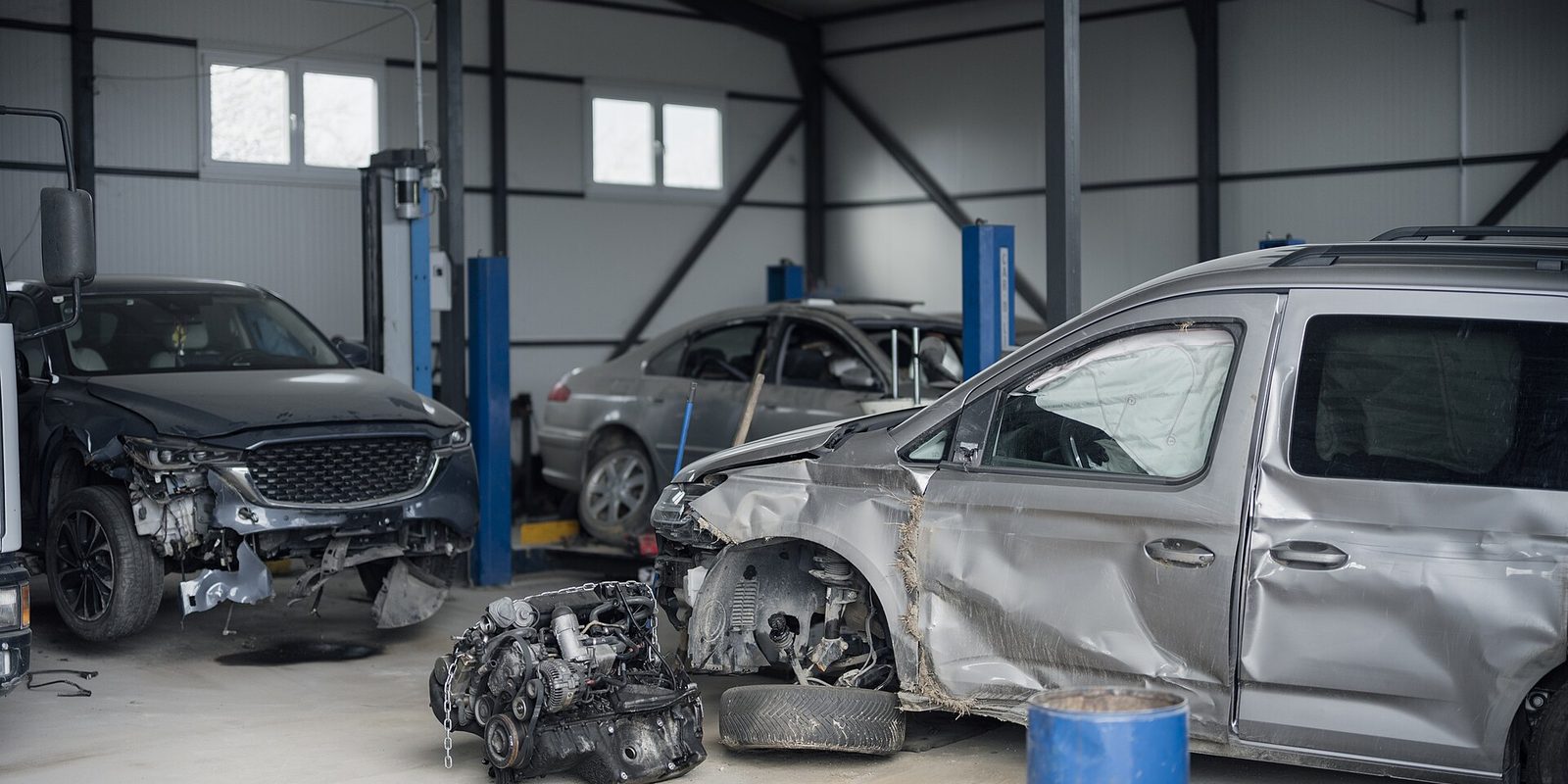
Collision work gets sold twice. Once to the driver, who has had a bad morning and wants to know this will be handled, and once to the insurer, who wants a shop that documents properly. Your website has to satisfy both, and web hosting for auto body shops usually falls down on the first.
Disclosure: AldoMedia is an independent authorized reseller. If you buy through a link on this page we may earn a commission, at no extra cost to you. The hosting platform, the domain registry and the certificate authority are run by upstream providers whose full-time job that is. What AldoMedia does is set the products up properly, support them, and stay accountable for your account.
Somebody has been rear-ended in a parking lot. They are standing next to the damage with a phone in their hand. What they want to do, right then, is send you six photographs and get a rough number back.
What most body shop websites give them is a text box. Year, make, model, and a field labeled "describe the damage". They cannot describe it. That is why they took the pictures. So they close the page and call the next shop, or they send the photos to whoever their insurer suggested.
This is the one place where hosting is genuinely relevant. A handful of photographs straight off a modern phone is a real upload, and forms fail on it for boring reasons: an upload size limit set low, a script timeout, an email attachment cap on the other end. Those are settings, not a reason to buy a bigger plan, but somebody has to check them and most nobody ever has.
The single best test of your own site is to go outside, photograph a car with your phone, and submit your own estimate form as a customer. Do it on mobile data, not the shop wifi. Most owners find out something is broken within two minutes.
Send us the address and we will fill in your own photo estimate from a phone, the way a driver standing next to the damage would, then tell you plainly whether the photographs arrived or quietly went nowhere.
A phone photograph is a large file. Ten of them at once is heavier than most small business sites move in a week. There are three places that traffic can break, and it is worth knowing which is which before anyone blames the host.
The server has a maximum file size and a maximum time it will wait. Both are adjustable on a normal shared plan. If your form quietly fails on anything over a couple of photos, this is almost always why, and it is a ten minute fix rather than an upgrade.
Plenty of forms take the photos fine and then try to email them to you as attachments. Mail systems cap attachment size well below what ten phone photos weigh, so the message vanishes and nobody is told. Store the files on the site and send yourself a link to them instead.
Every submitted estimate leaves photographs on the server. After two years of that, storage is the one number on your hosting plan that is doing real work. Clear out anything past its useful life on a schedule, and make sure it is included in your backups until you do.
None of this needs a specialist plan. It needs somebody to have looked at the settings once. That is the difference between a form that works and a form that has been silently eating leads since it was built.
After a crash, a driver has a short list of worries and none of them are about your equipment. They want to know whether their insurer will pay you directly, whether they can get a car to drive tomorrow, and whether the vehicle can be towed to you tonight.
Direct repair relationships are the first thing many people check, and it is reasonable to name the insurers you work with. Be careful how you word it. State that you work with a customer's insurer and handle the paperwork, rather than implying anything about approval or preferred status you cannot back up. Say clearly that a driver can choose their own shop, because a lot of people do not know that and it is the reason some of them are on your site at all.
These are three short pages that take an afternoon to write and answer most of your phone calls before they happen. They also do more for search than anything else on the site, because they match what people type.
Manufacturer certification is one of the few credentials in this trade that a customer will actively search for, usually because a dealer or an insurer told them to. If you are certified for a particular marque, that is a page, not a logo in the footer.
Write it as the customer would ask it. What the certification covers, what equipment and training it required, why it matters for that vehicle's structure or aluminium panels. Somebody looking for a certified shop for a specific make is the most valuable visitor you will get all week, and a strip of small logos does not answer them.
Only claim current certifications, and take them down the moment one lapses. This is the kind of detail an insurer or a manufacturer will check, and a stale claim on a website is a bad way to be found out.
The same applies to industry training credentials and to any welding or refinish qualifications your technicians hold. Named people with real qualifications reads as a shop that takes the work seriously. A wall of acronyms does not.
We will check the upload size, the timeout and where submitted photographs are piling up on your body shop site, fix what is wrong, and tell you if the plan you already pay for is the right one.
If you are a restoration shop doing classic and custom work, most of the above is wrong for you. You do not sell from an estimate form. Nobody is photographing a rusted quarter panel in a parking lot and asking for a number by Tuesday. Your work is quoted in conversation, over weeks, after somebody has seen what you can do.
A restoration site is a portfolio. Long build galleries, before and after, the same car photographed across a year. That is a different website with different priorities: image handling, page weight, and enough storage to carry hundreds of large photographs without a second thought. Put your money there and skip the lead form entirely, or reduce it to a contact page.
For a working collision shop, the honest version is that you need less than you are usually sold.
Where spending more is genuinely justified: you run several locations on one site, you carry a large restoration portfolio, or you are keeping years of estimate photographs deliberately for records. Those are storage and complexity reasons, and they are real. Number of cars in the shop is not one.
AldoMedia has built and looked after websites for Western New York businesses since 1999. We are an independent authorized reseller rather than the operator of the underlying platform, which means we will tell you when the plan you are already paying for is the right one, and we usually do.
If your estimate form has never been tested with real phone photographs, that is where we would start. If you are moving from a site somebody else built and cannot get hold of, taking over a website covers what we need from you. Call 716-771-2536 or tell us what your site runs on and we will look at current pricing with you.
Usually one of three settings. The server has an upload size limit lower than a few phone photographs, the script times out before the upload finishes, or the form emails the photos to you as attachments and your mail system rejects the size. All three are adjustable on ordinary shared hosting. Test it yourself from a phone on mobile data and you will find out which one it is.
It helps, because people check it before they call. Word it carefully. Say that you work with a customer's insurer and handle the claim paperwork rather than implying a level of approval you cannot support, and state plainly that a driver can choose their own shop. If you are unsure how to describe a particular relationship, check the wording with your own adviser first.
More than most owners expect, because a phone photograph is large and every submission leaves several behind. It is the one number on a body shop hosting plan that actually grows. Decide how long you want to keep them, clear the rest on a schedule, and make sure the ones you are keeping are covered by your backups rather than sitting on the server as the only copy.
Yes, if the certification is current. Somebody searching for a certified shop for a specific make has usually been sent there by a dealer or an insurer, and they are the most valuable visitor on your site. A page explaining what the certification covers and what equipment it required answers them. A small logo in the footer does not.
Not really. Restoration sells from a portfolio, not an estimate form, and the job is quoted in conversation over weeks. Your site should be long build galleries with plenty of large photographs, which means image handling and storage matter far more than form settings. Skip the photo estimate entirely and put the money into the gallery.
For a small site with no logins and no payments, usually not. What you do need is a valid certificate, because your form collects names, phone numbers and photographs that show a vehicle and its plate. Keep whatever software the site runs on updated, and if something does go wrong, malware removal is a one-off job rather than a subscription.
The plan type nearly every collision shop site belongs on, and what the tiers actually change.
Read about shared hostingYears of estimate photographs are the one thing on your server you cannot re-create.
How backups should workWhat we need when the person who built your site is no longer answering.
Read about taking it overEvery trade we cover is listed on hosting by industry.
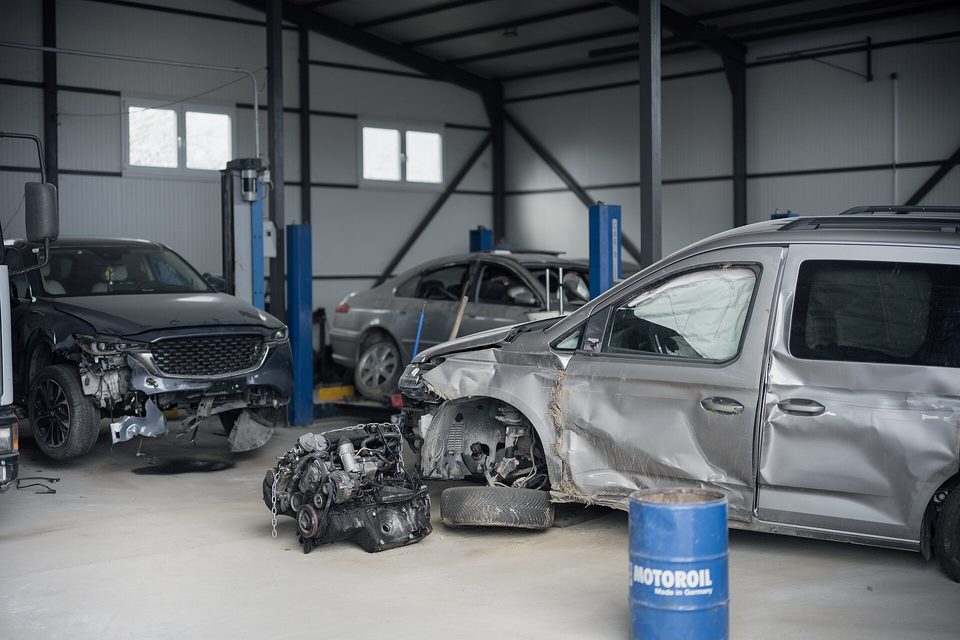
Hero image: Shixart1985, CC BY 2.0, via Wikimedia Commons. Cropped.
Send us your site and we will submit your own photo estimate from a phone and tell you what happened. If everything works and the plan you are on is right, we will say so.
Get Your Web Hosting Plan Get help choosing
Or call 716-771-2536 and tell us what the site has to do. If the plan you are already on is the right one, we will say so.